
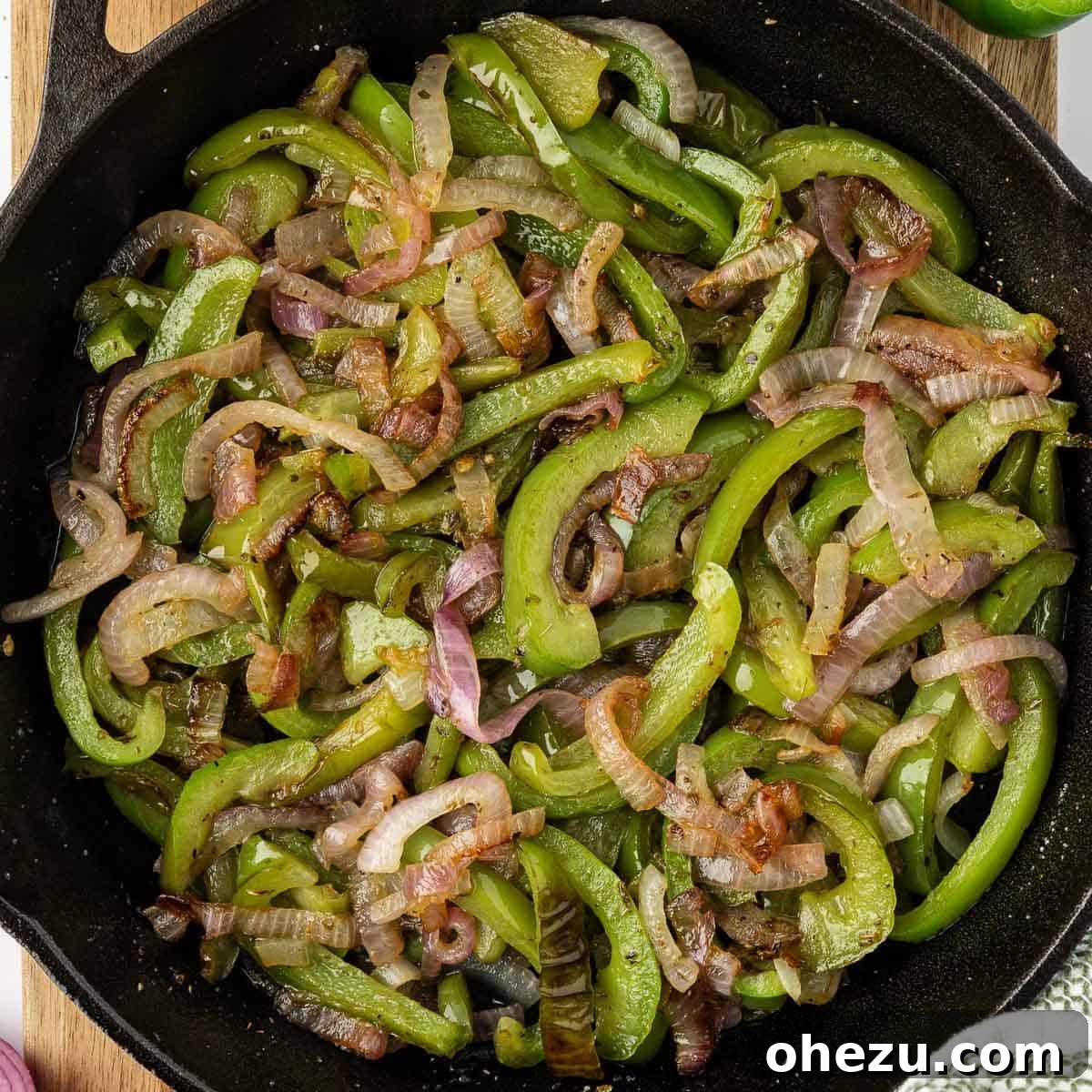
Chipotle Copycat Fajita Veggies: Your Guide to Easy Homemade Perfection
Craving the vibrant, tender-crisp bell peppers and onions that elevate any dish at Chipotle? You’re in luck! This ultimate guide reveals how to effortlessly recreate those irresistible Chipotle-inspired Fajita Veggies right in your own kitchen. In under 15 minutes, you can transform simple ingredients into a flavorful sensation, perfect for enhancing your burrito bowls, tacos, nachos, quesadillas, and so much more. Get ready to say goodbye to bland vegetables and hello to a homemade version that tastes just like the real deal – or even better!
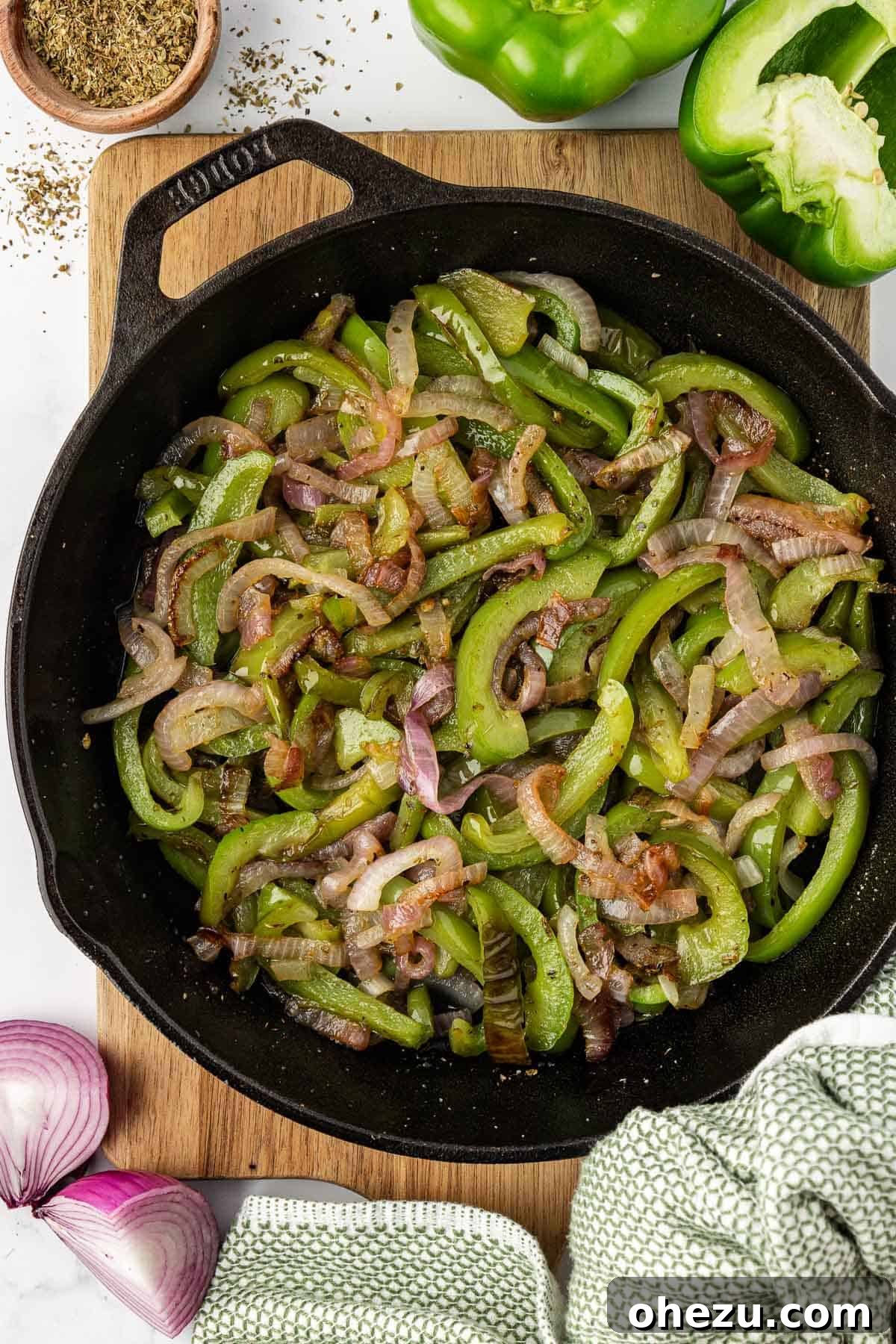
Why Make Chipotle Fajita Veggies at Home?
If you’ve ever found yourself asking for “extra fajita veggies” at Chipotle, you understand the magic they bring to any meal. Their unique savory flavor and satisfying texture are truly addictive. But why limit yourself to restaurant visits when you can master this quick and easy recipe at home? Here’s why whipping up your own batch is a game-changer:
- Unbeatable Freshness & Flavor: Control the quality of your ingredients and enjoy the freshest possible taste.
- Cost-Effective: Save money by making a larger batch at a fraction of the restaurant price.
- Customization: Adjust seasoning, cooking time, and even the type of vegetables to suit your personal preferences.
- Dietary Friendly: This recipe is naturally vegan, gluten-free, and a fantastic low-carb option, making it suitable for a variety of dietary needs.
- Quick & Easy: With minimal prep and cooking time, these fajita veggies are perfect for busy weeknights or meal prepping.
- Versatile: Beyond burrito bowls and tacos, these veggies can elevate countless dishes.
Many home cooks attempt to recreate restaurant favorites, only to find something is missing. For years, I struggled to achieve that distinctive Chipotle flavor in my homemade fajita vegetables. It wasn’t until I stumbled upon their ingredient list on Chipotle’s website that I discovered the “secret” to their success: oregano. Incorporating this simple herb transformed my homemade veggies from good to absolutely phenomenal, tasting exactly like the ones I crave from the popular chain. You’ll be amazed at how such a small detail makes such a significant difference!
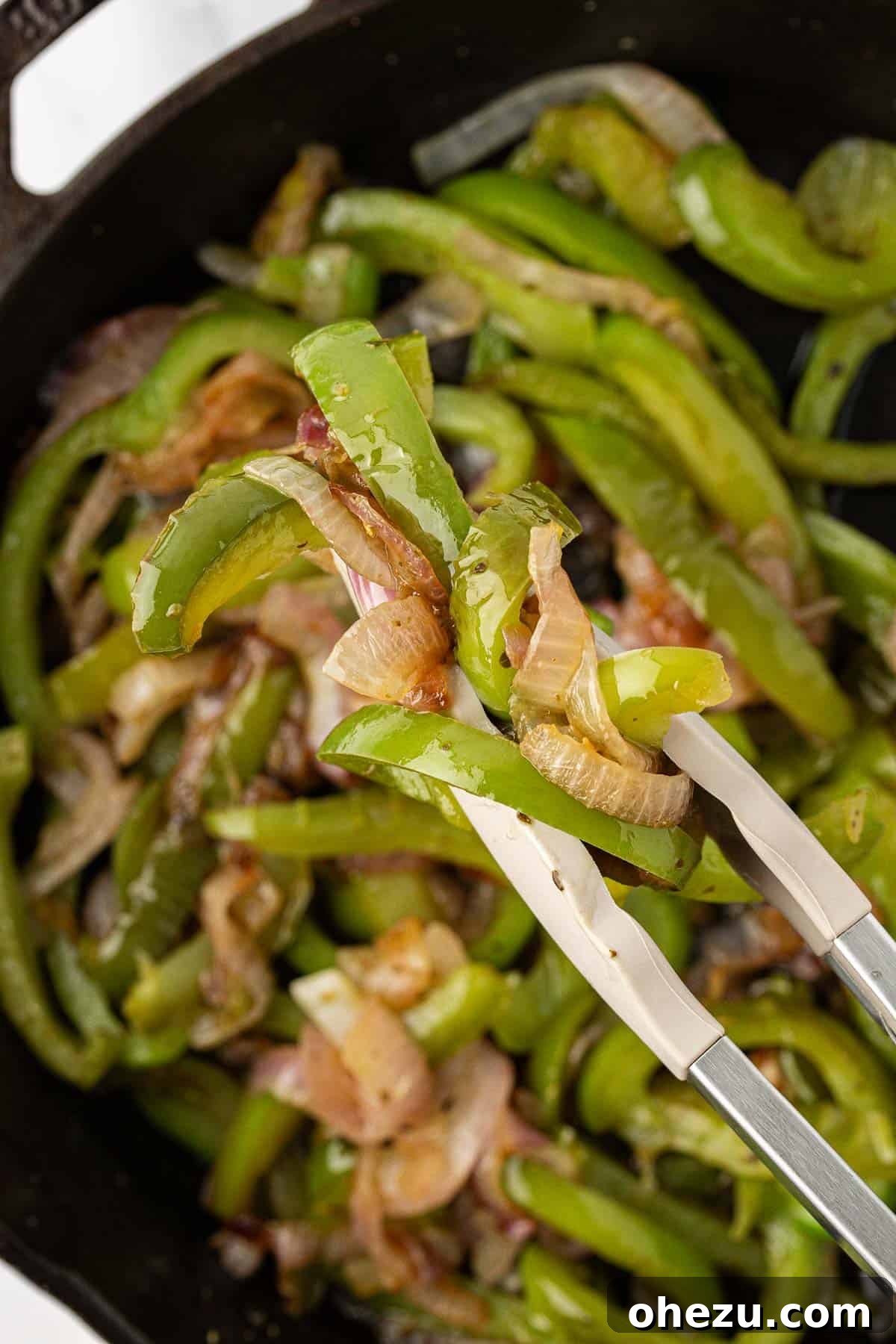
What Are Chipotle Fajita Veggies, Exactly?
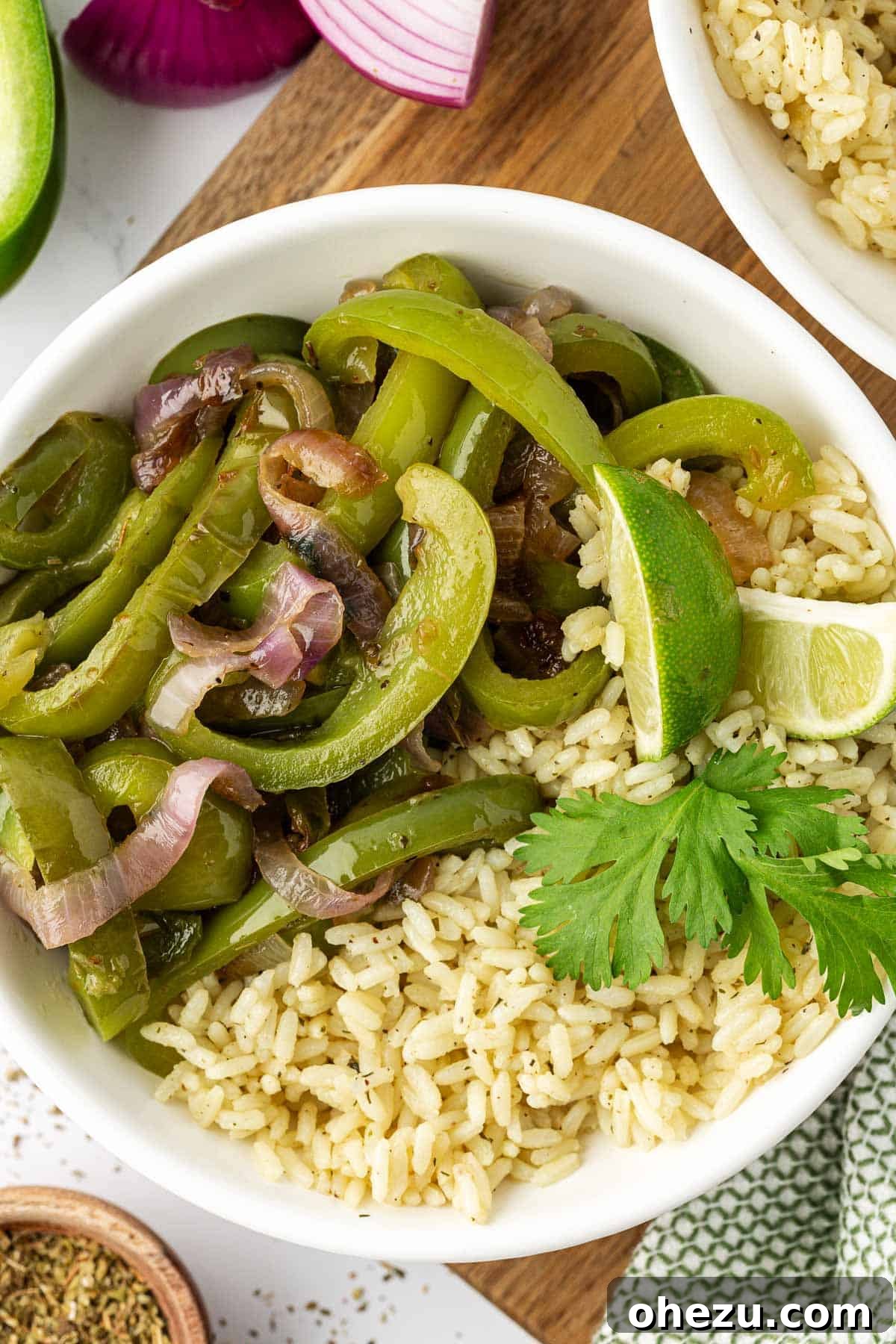
At their core, Chipotle’s fajita veggies are a straightforward yet incredibly flavorful blend of sautéed bell peppers and onions, seasoned simply with a touch of oil, salt, and their signature ingredient: dried oregano. While Chipotle famously uses green bell peppers for a distinct flavor and vibrant color that holds up well during cooking, the beauty of making them at home is that you can experiment. Any color of bell pepper – red, yellow, or orange – would be equally delicious and can add a beautiful pop of color and varying degrees of sweetness to your dish. The key is their tender-crisp texture, which provides a satisfying bite without being overly soft or mushy.
It’s often the simplest recipes that are the most surprising. Before learning about the oregano, my attempts at homemade fajita vegetables always felt like they were missing that certain something, that authentic “Chipotle” essence. Once I added oregano, the flavors harmonized perfectly, creating a remarkably close replica of the restaurant version. It’s a testament to how a single, humble spice can unlock a world of flavor and bring an ordinary dish to life. This revelation proved that creating restaurant-quality food at home doesn’t require an extensive list of exotic ingredients or complex techniques – just a keen eye for key flavors.
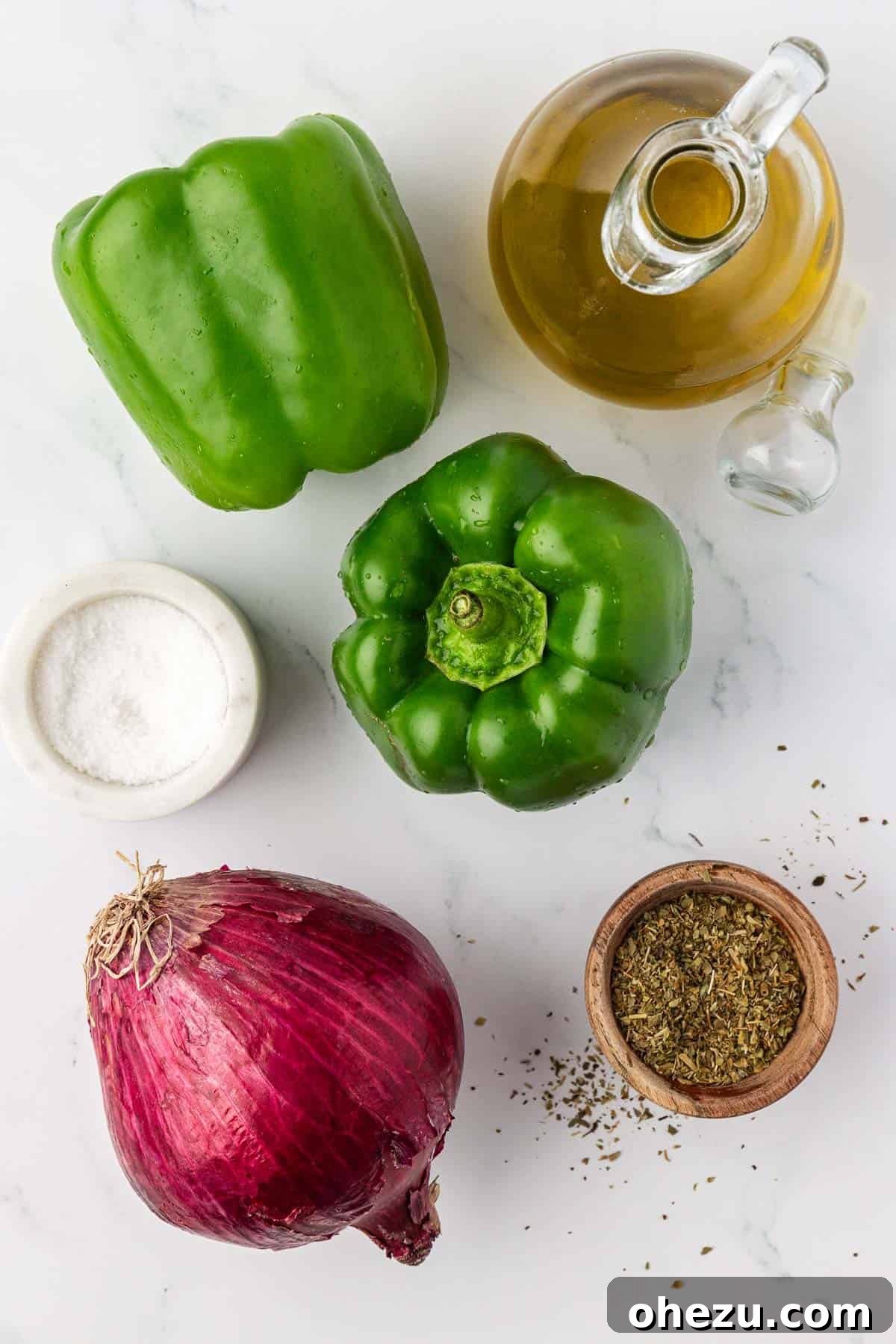
Ingredients For Your Homemade Fajita Veggies
Gathering your ingredients is the first step to culinary success. This recipe calls for a minimal list, ensuring it’s both budget-friendly and easy to execute. Each component plays a crucial role in replicating that beloved Chipotle taste and texture.
- Red Onion: One large red onion provides a mild sweetness and a robust flavor that caramelizes beautifully when sautéed. Its vibrant purple adds a lovely contrast to the green peppers.
- Green Bell Peppers: Two large green bell peppers are essential for the authentic Chipotle flavor profile. They offer a slightly bitter, earthy note that balances the onion’s sweetness and holds their shape well during cooking.
- Olive Oil: Three tablespoons of olive oil are perfect for sautéing, providing a rich, smooth base for the vegetables to cook in without overpowering their natural flavors. You can use any neutral-flavored oil you prefer.
- Dried Oregano: The star of the show! One teaspoon of dried oregano is the secret ingredient that imparts the distinctive, aromatic, and savory flavor synonymous with Chipotle’s fajita veggies. Don’t skip it!
- Salt: Half a teaspoon of salt enhances all the other flavors, bringing out the natural sweetness of the vegetables and balancing the spices. Adjust to your taste preferences.
How to Make Fajita Veggies (Chipotle-Style): Step-by-Step
Creating these delightful fajita veggies is incredibly straightforward. Follow these simple steps to achieve perfect results every time:
Preparation is Key
Before you even turn on the stove, proper preparation of your vegetables ensures even cooking and that signature fajita texture.
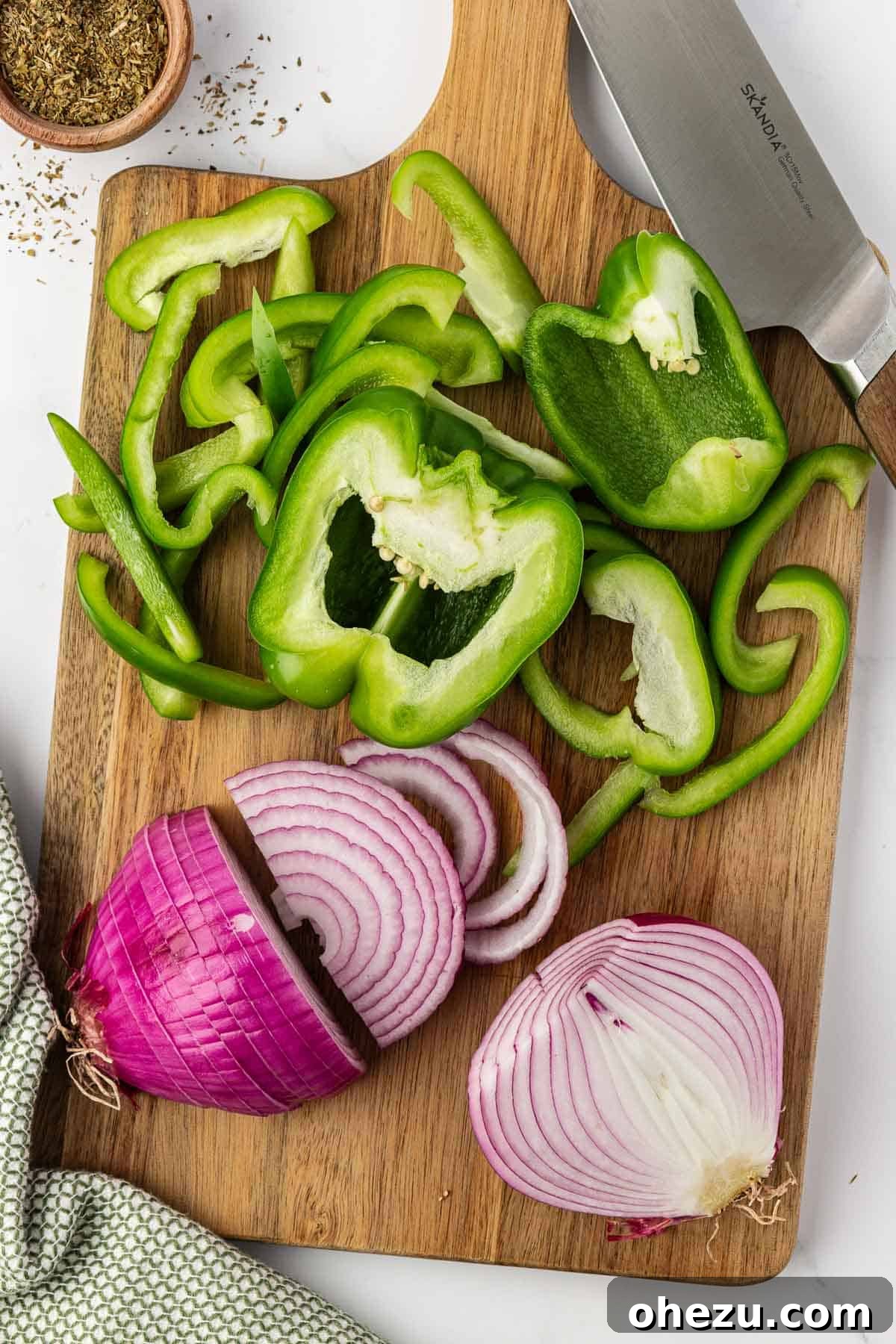
- Slice the Veggies: Begin by slicing your large red onion and two green bell peppers into thick, uniform strips. Aim for pieces that are roughly 1/4 to 1/2 inch wide and a few inches long. This consistency is important for them to cook evenly and reach that ideal tender-crisp stage simultaneously. Ensure all seeds and membranes are removed from the bell peppers for the best flavor.
Cooking Process
Now that your ingredients are prepped, it’s time to bring the heat and flavor to life.
- Heat the Oil: Place a large skillet (cast iron or a heavy-bottomed pan works best for even heat) over medium to medium-high heat. Add the olive oil and allow it to heat up until it shimmers slightly. This ensures a quick sear on the vegetables, locking in their crispness.
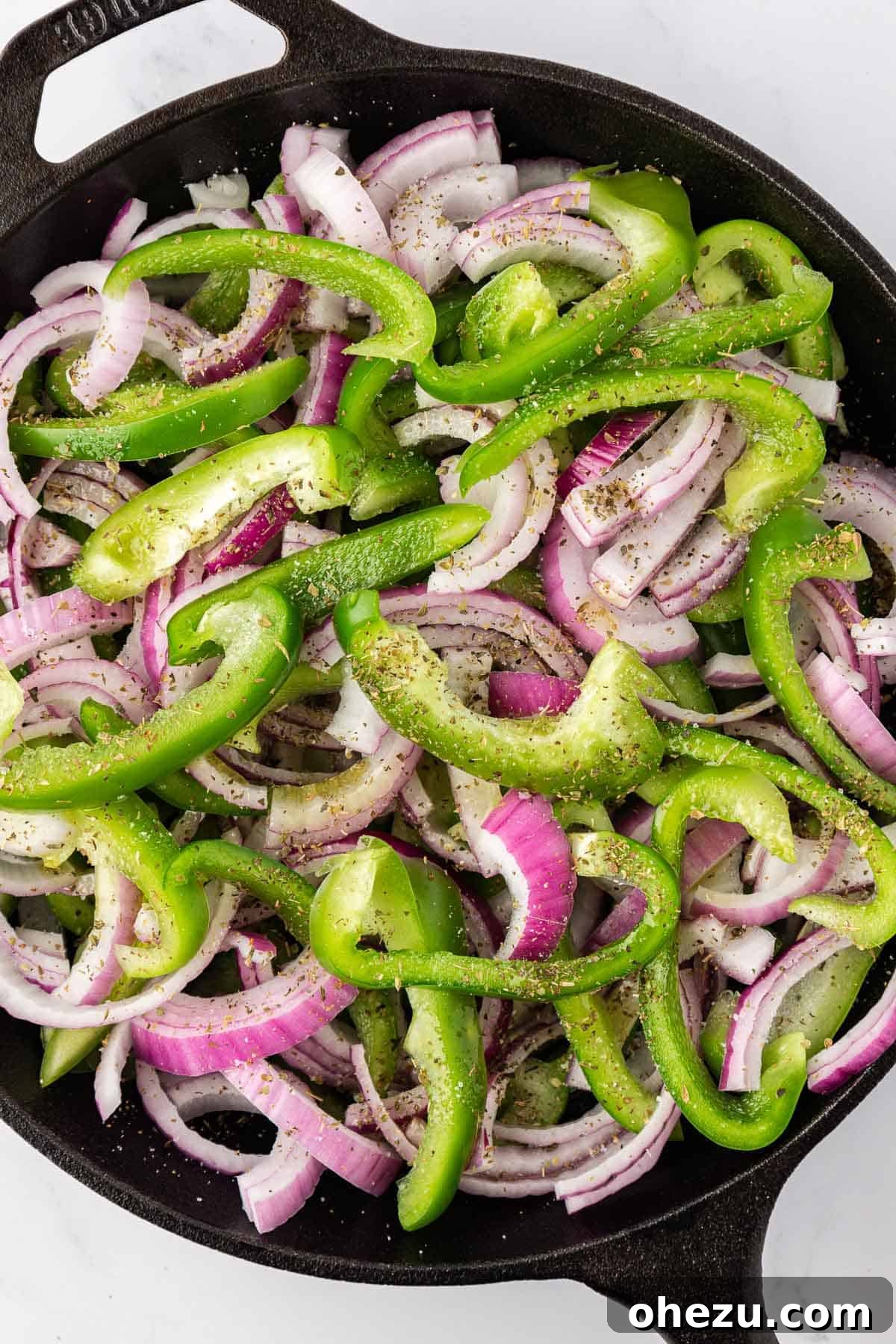
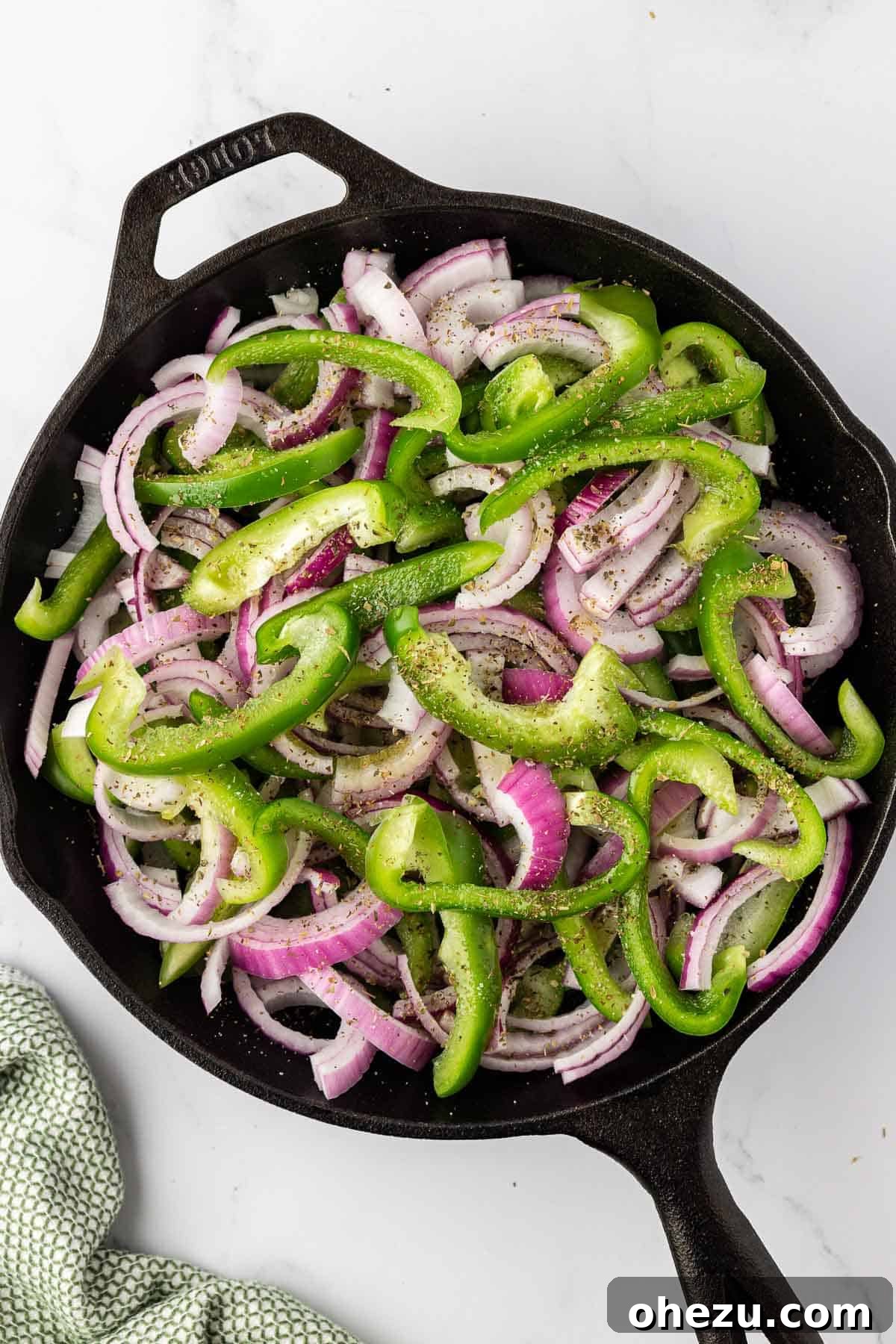
- Add Veggies and Seasoning: Carefully add the sliced red onion and bell peppers to the hot skillet. Immediately sprinkle with the dried oregano and salt. Stir everything thoroughly to ensure the oil and spices are evenly distributed across all the vegetables. This initial coating is crucial for developing flavor.
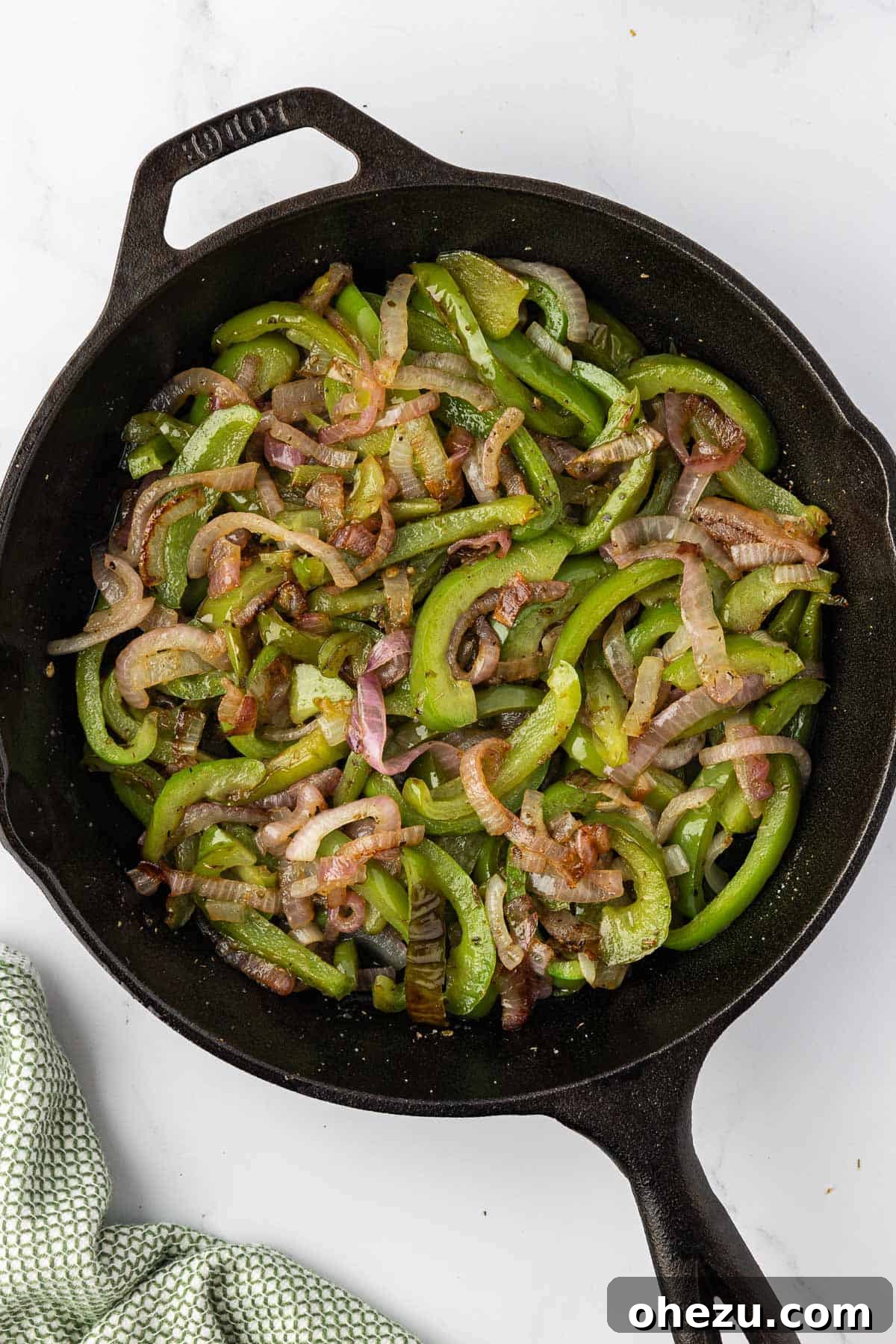
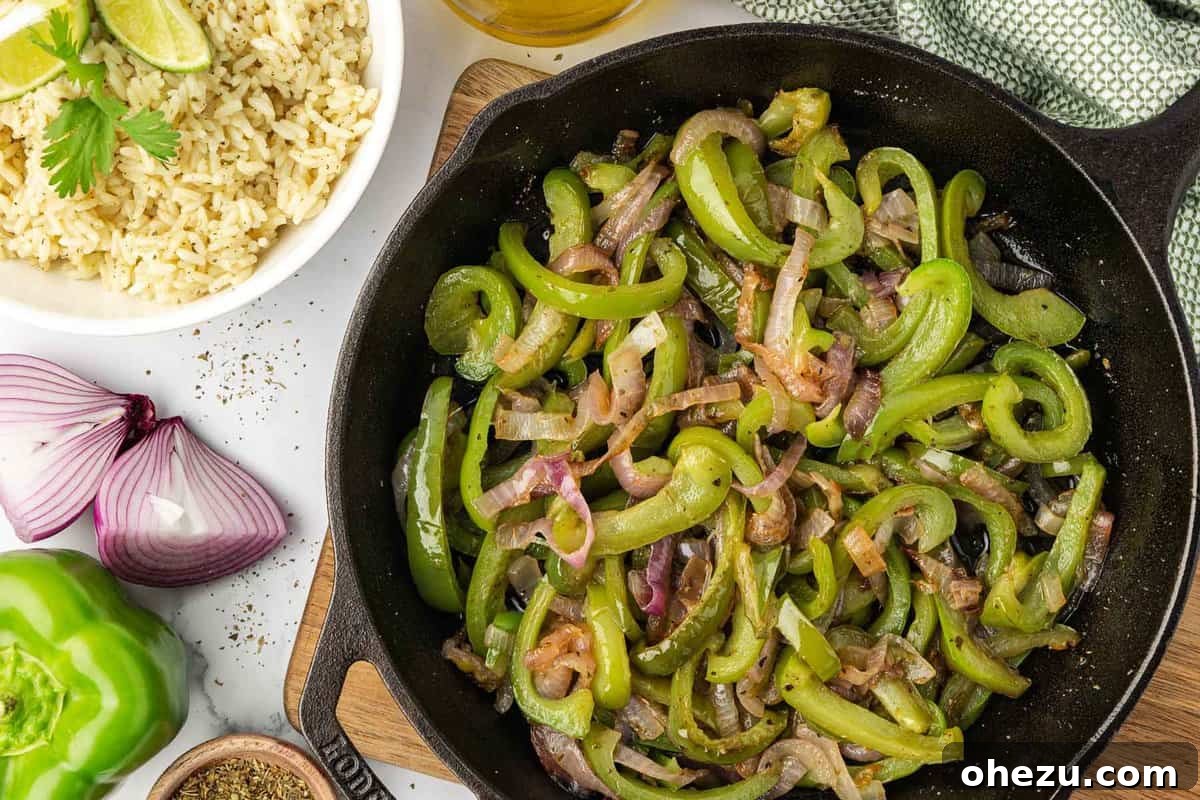
- Sauté Until Tender-Crisp: Continue to sauté the fajita veggies for approximately 8 to 10 minutes, stirring occasionally (every 1-2 minutes) to prevent burning and promote even cooking. The goal is a “tender-crisp” texture – meaning the vegetables are cooked through but still retain a slight bite and bright color, not soft or mushy. Once they reach this stage, immediately remove the skillet from the heat. Overcooking will diminish their vibrant flavor and desirable texture. Serve them hot and enjoy!
Tips for Perfect Fajita Veggies
- Don’t Overcrowd the Pan: For best results, avoid overloading your skillet. If you’re making a double batch, cook the vegetables in two separate batches to ensure they sauté rather than steam. This is key for that lovely tender-crisp texture and slight caramelization.
- High Heat, Quick Cook: Use medium-high heat to cook the vegetables quickly, allowing them to soften without becoming limp. This also helps create a slight char, adding depth of flavor.
- Uniform Slicing: As mentioned, consistency in slicing helps everything cook at the same rate. This avoids some pieces being raw while others are overcooked.
- Taste and Adjust: Always taste your veggies before removing them from the heat. Adjust salt or add a tiny pinch more oregano if desired.
- Consider a Cast Iron Skillet: A well-seasoned cast iron skillet is excellent for fajitas, as it distributes heat evenly and retains it, contributing to a great sear.
Serving Suggestions: Unleash Your Culinary Creativity
These homemade fajita veggies are incredibly versatile and can be the star or a delicious supporting act in a myriad of meals. The best part? They’re ready in mere minutes, making them a go-to for quick, healthy, and satisfying dishes. We particularly love incorporating them into a hearty, satisfying meal:
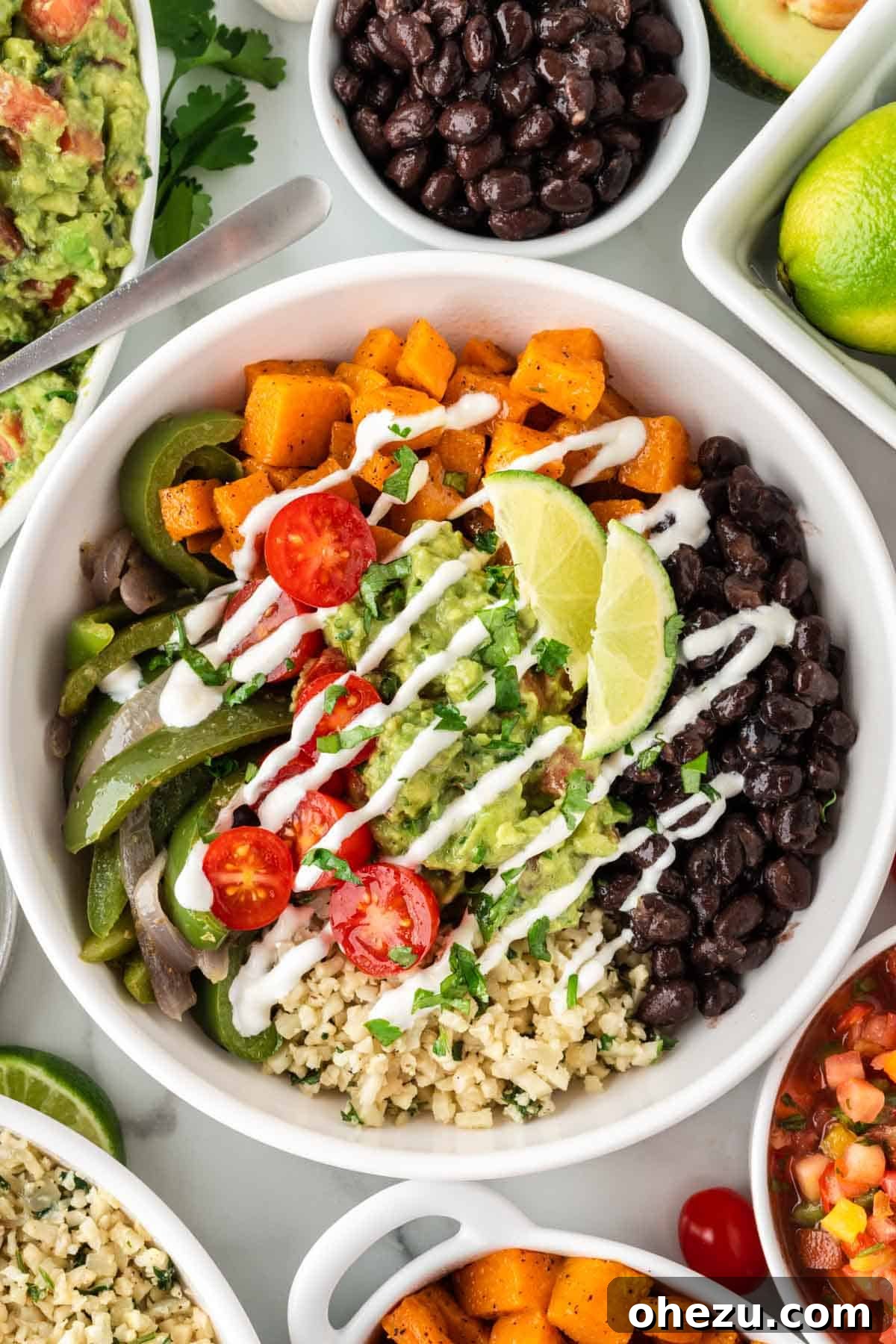
- Burrito Bowls: Build a magnificent cauliflower rice burrito bowl. Start with a base of rice (white, brown, or cauliflower rice), add your fajita veggies, and then pile on other favorites like roasted sweet potatoes, guacamole, cherry tomatoes, black beans, corn, salsa, crispy tofu, or grilled chicken. The possibilities are endless, and homemade bowls are perfect for regular dinner rotations!
- Tacos and Fajitas: Naturally, these veggies are phenomenal in traditional tacos or alongside grilled meat for a classic fajita spread. Warm tortillas, a dollop of sour cream or crema, and a squeeze of lime juice make for a festive meal.
- Nachos: Layer them onto a bed of tortilla chips with cheese, black beans, jalapeños, and bake until bubbly. A fantastic appetizer or party snack!
- Quesadillas: Add a layer of these flavorful veggies to your cheese quesadillas for an extra dimension of taste and texture.
- Salads: Toss them warm or cold into a vibrant salad for a burst of flavor and nutrients. They pair wonderfully with a zesty vinaigrette.
- Breakfast Scrambles & Omelets: Start your day with a savory kick by incorporating these veggies into your morning eggs.
- Side Dish: Simply serve them as a healthy and flavorful side dish to almost any main course, from grilled fish to roasted chicken.
- Wraps & Sandwiches: Use them as a filling for wraps, pitas, or even as a topping for a veggie burger.
While a skillet is my go-to for these, don’t hesitate to throw them on the grill if you have the option. Grilling adds a lovely smoky char that complements their natural sweetness and savory oregano notes beautifully.
Recipe Variations & Substitutions
One of the joys of cooking at home is the freedom to experiment and customize. While this recipe is fantastic as is, feel free to make it your own:
- Bell Peppers: While green bell peppers offer that classic Chipotle taste, feel free to use a mix of yellow, red, or orange bell peppers for a visually stunning and slightly sweeter dish. Each color offers a subtle difference in flavor.
- Onion: Red onions provide a wonderful balance, but you can certainly use yellow onions for a sweeter profile or even white onions for a sharper, more pungent flavor if you prefer.
- Oil: Any neutral-flavored cooking oil will work well in place of olive oil, such as avocado oil, grapeseed oil, or canola oil. Choose what you have on hand or what best fits your dietary needs.
- Add More Spices: For an extra layer of flavor, consider adding a pinch of cumin, chili powder, or smoked paprika alongside the oregano. A touch of garlic powder or onion powder can also enhance the aromatic base.
- Other Veggies: Don’t limit yourself! Sliced zucchini, mushrooms, or even thin strips of carrots can be fantastic additions to your fajita mix. Just be mindful of cooking times, as some vegetables may cook faster or slower than bell peppers and onions.
- A Touch of Heat: If you like a spicy kick, add a pinch of red pepper flakes or a few slices of fresh jalapeño during the sautéing process.
Storage and Reheating Tips
These fajita veggies are fantastic for meal prep! They hold up wonderfully, making healthy eating convenient throughout the week.
- Storage: Allow the cooked fajita veggies to cool completely before transferring them to an airtight container. Store them in the refrigerator for up to 3-4 days.
- Freezing: While technically possible, freezing may alter the tender-crisp texture of the peppers. If you do freeze, spread them in a single layer on a baking sheet to flash freeze, then transfer to a freezer-safe bag for up to 2-3 months. Reheat directly from frozen.
- Reheating: For best results, reheat the veggies in a skillet over medium heat for a few minutes until warmed through, stirring occasionally. You can also microwave them, but the skillet method helps maintain a better texture. Avoid overcooking during reheating.
Frequently Asked Questions (FAQs)
- Are these fajita veggies vegan and gluten-free?
- Yes! This recipe is naturally vegan and gluten-free, making it a perfect option for those with dietary restrictions or preferences.
- Can I use frozen bell peppers and onions?
- While fresh is always recommended for the best tender-crisp texture, you can use frozen. Be aware that frozen vegetables release more water, so you might need to cook them slightly longer to evaporate the excess moisture and achieve some caramelization.
- What kind of skillet should I use?
- A large cast-iron skillet or a heavy-bottomed stainless steel pan is ideal. These materials distribute heat evenly and maintain high temperatures, which is crucial for achieving the perfect sauté.
- Can I prepare the vegetables ahead of time?
- Absolutely! You can slice the bell peppers and onions a day or two in advance and store them in an airtight container in the refrigerator. This cuts down on prep time when you’re ready to cook.
- How can I make these spicier?
- For an extra kick, add a pinch of red pepper flakes, a dash of cayenne pepper, or finely diced fresh jalapeños or serrano peppers along with the other seasonings.
Fajita Veggies (Chipotle Copycat) Recipe
Just like Chipotle’s famous fajita veggies, this easy homemade recipe is vegan, gluten-free, and tastes just like the dish at the popular restaurant chain!
- Prep time: 5 minutes
- Cook time: 8-10 minutes
- Total time: 13-15 minutes
- Servings: 6
- Author: Joy Shull
Ingredients
- 1 large red onion, sliced
- 2 green bell peppers, sliced
- 3 tablespoons olive oil
- 1 teaspoon dried oregano
- 1/2 teaspoon salt
Instructions
- Heat the olive oil in a large skillet over medium-high heat until shimmering.
- Add the sliced red onion, bell peppers, dried oregano, and salt to the skillet. Stir well to combine and evenly distribute the oil and spices.
- Cook the fajita veggies for 8-10 minutes, stirring occasionally, until they are tender-crisp and slightly caramelized. Avoid overcooking to maintain their vibrant color and slight bite.
- Remove from the heat and serve immediately as a delicious topping or side dish.
Nutrition (per serving)
- Calories: 78kcal
- Carbohydrates: 4g
- Protein: 1g
- Fat: 7g
- Saturated Fat: 1g
- Polyunsaturated Fat: 1g
- Monounsaturated Fat: 5g
- Sodium: 196mg
- Potassium: 100mg
- Fiber: 1g
- Sugar: 2g
- Vitamin A: 153IU
- Vitamin C: 33mg
- Calcium: 14mg
- Iron: 0.3mg
There you have it – a foolproof recipe to create those beloved Chipotle fajita veggies right in your own kitchen! This recipe proves that incredibly delicious, healthy, and satisfying meals don’t have to be complicated or time-consuming. With just a few simple ingredients and less than 15 minutes, you can elevate your weeknight dinners, impress your family, and satisfy those cravings for restaurant-quality flavor. Whether you’re building epic burrito bowls or simply looking for a quick and flavorful side, these homemade fajita veggies are sure to become a staple in your culinary repertoire. Enjoy!