
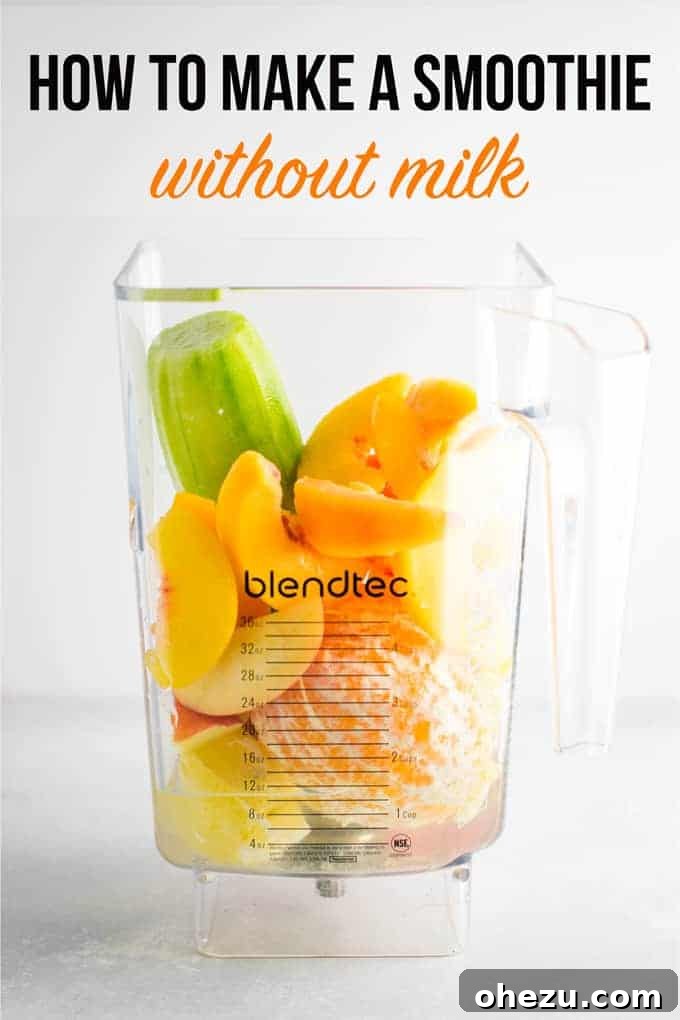
Discover the secret to crafting delicious and healthy smoothies without milk in this comprehensive guide!
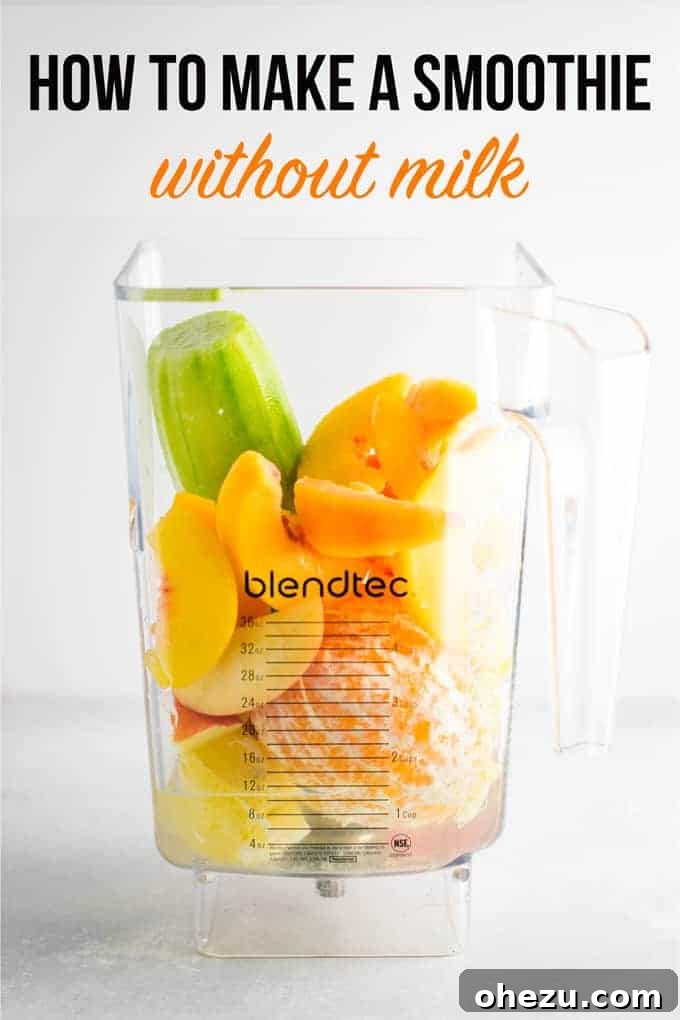
Mastering Smoothies Without Milk: Your Ultimate Guide to Delicious Blends
It might come as a surprise, but many of the most delightful and nutritious smoothies can be made entirely without milk. While dairy milk and yogurt often feature in traditional smoothie recipes, they are far from essential. In fact, embracing a milk-free approach can unlock a world of vibrant flavors and lighter textures, perfect for a refreshing treat, a quick breakfast, or a healthy meal replacement. This in-depth guide will reveal the best ingredients and techniques to create incredibly delicious smoothies without a single drop of milk, right in your own kitchen.
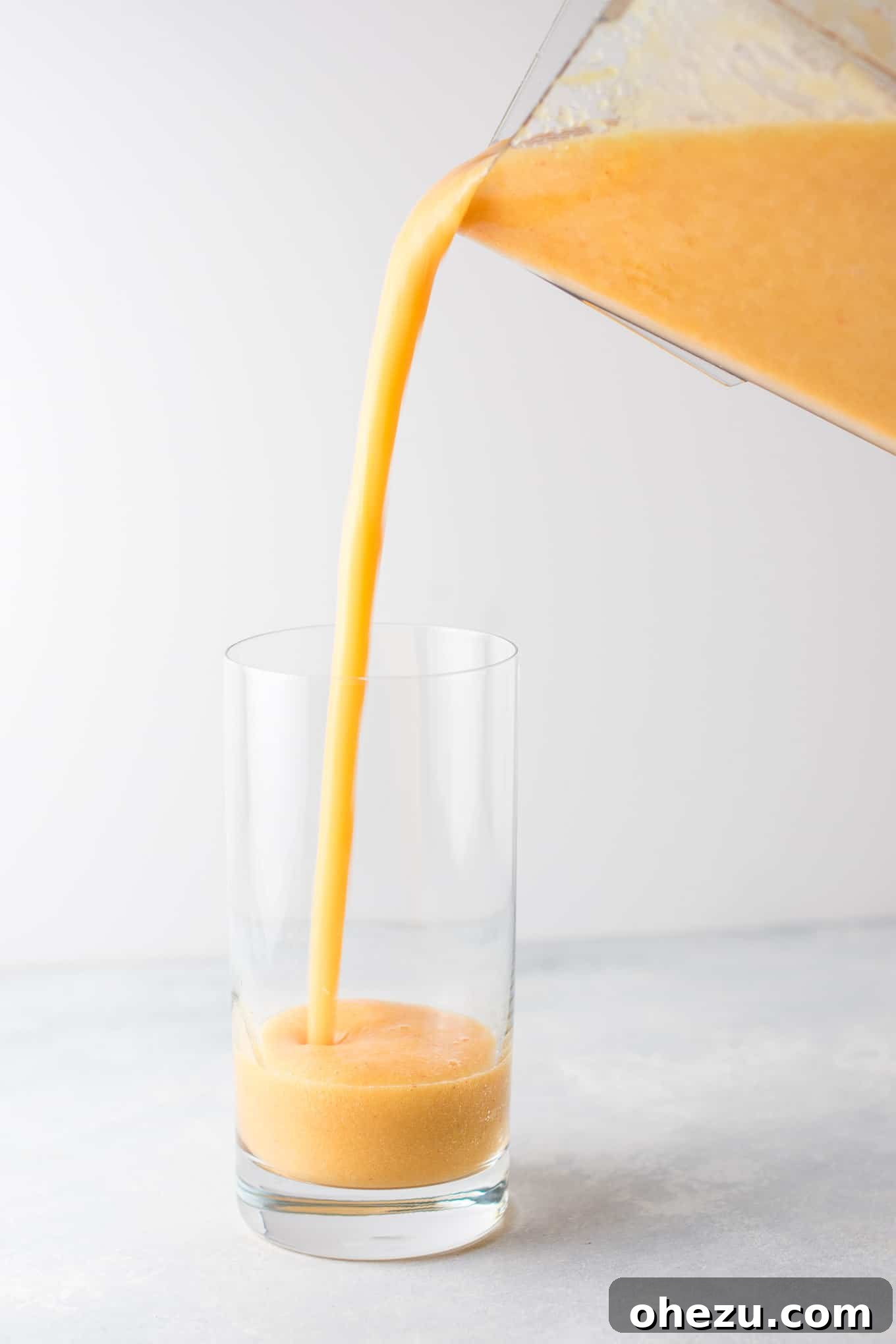
Do You Really Need Milk to Make a Smoothie? Debunking the Myth
The straightforward answer is a resounding NO! The notion that milk is a mandatory ingredient for smoothies is a common misconception. Many of the most flavorful and satisfying smoothies I’ve ever made contained absolutely no dairy whatsoever. While milk can contribute to a certain type of creaminess or act as a liquid base, it can also, depending on the ingredients, inadvertently dilute the natural, vibrant flavors of your fruits and vegetables. For those seeking pure, unadulterated taste and a lighter consistency, stepping away from milk can be a genuine game-changer, opening up new dimensions of flavor and freshness.
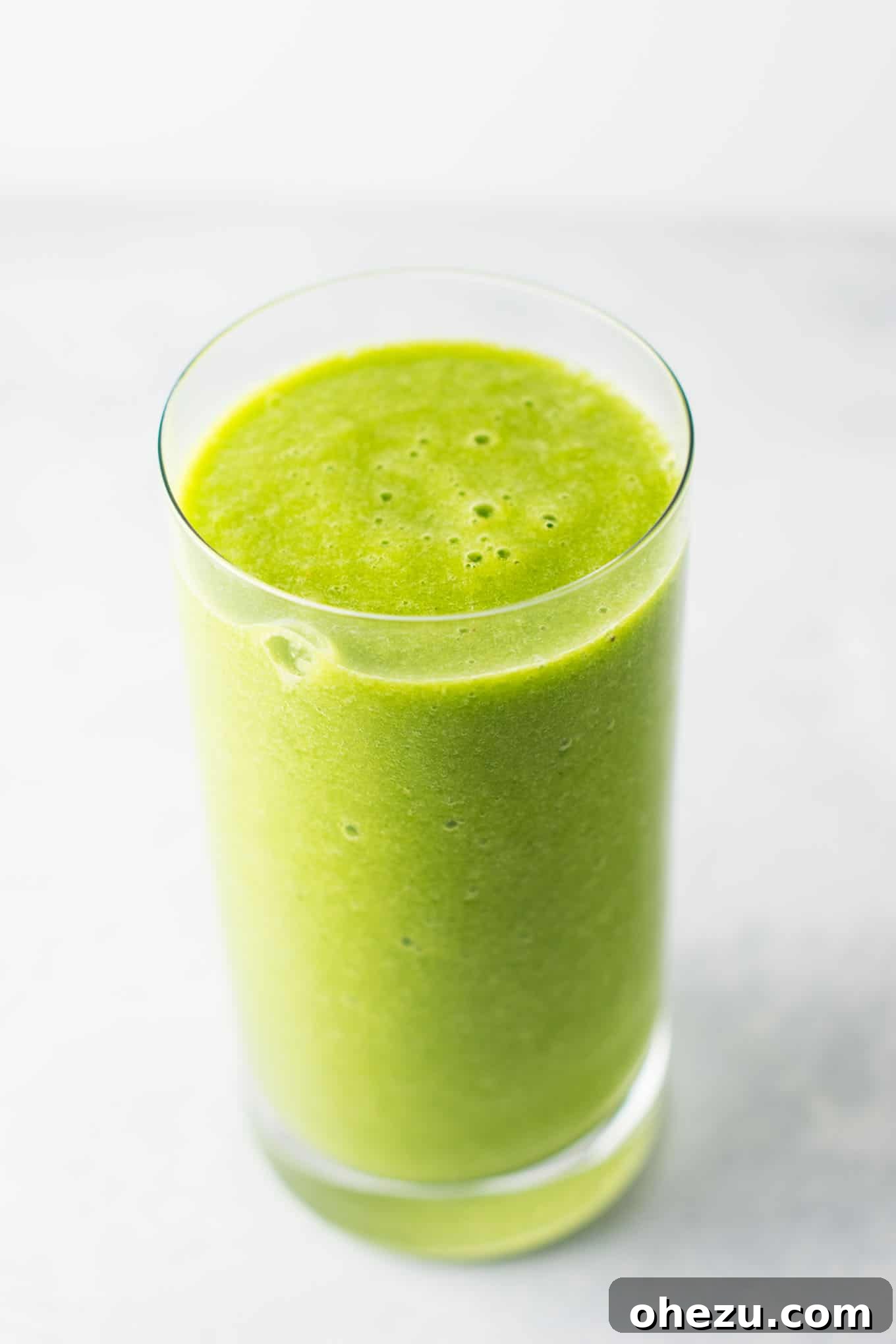
Consider, for instance, green smoothies. My extensive experience has taught me that these nutrient-packed blends truly shine when milk is excluded. The very best green smoothie I’ve ever tasted relies on a simple yet powerful combination of water, invigorating citrus fruits like lemon and orange, and ice. This blend allows the fresh, earthy notes of the greens and the bright tang of the fruit to take center stage, creating a remarkably refreshing, hydrating, and wholesome drink. It’s a stark contrast to heavier, milk-based versions that can sometimes mute these delicate flavors.
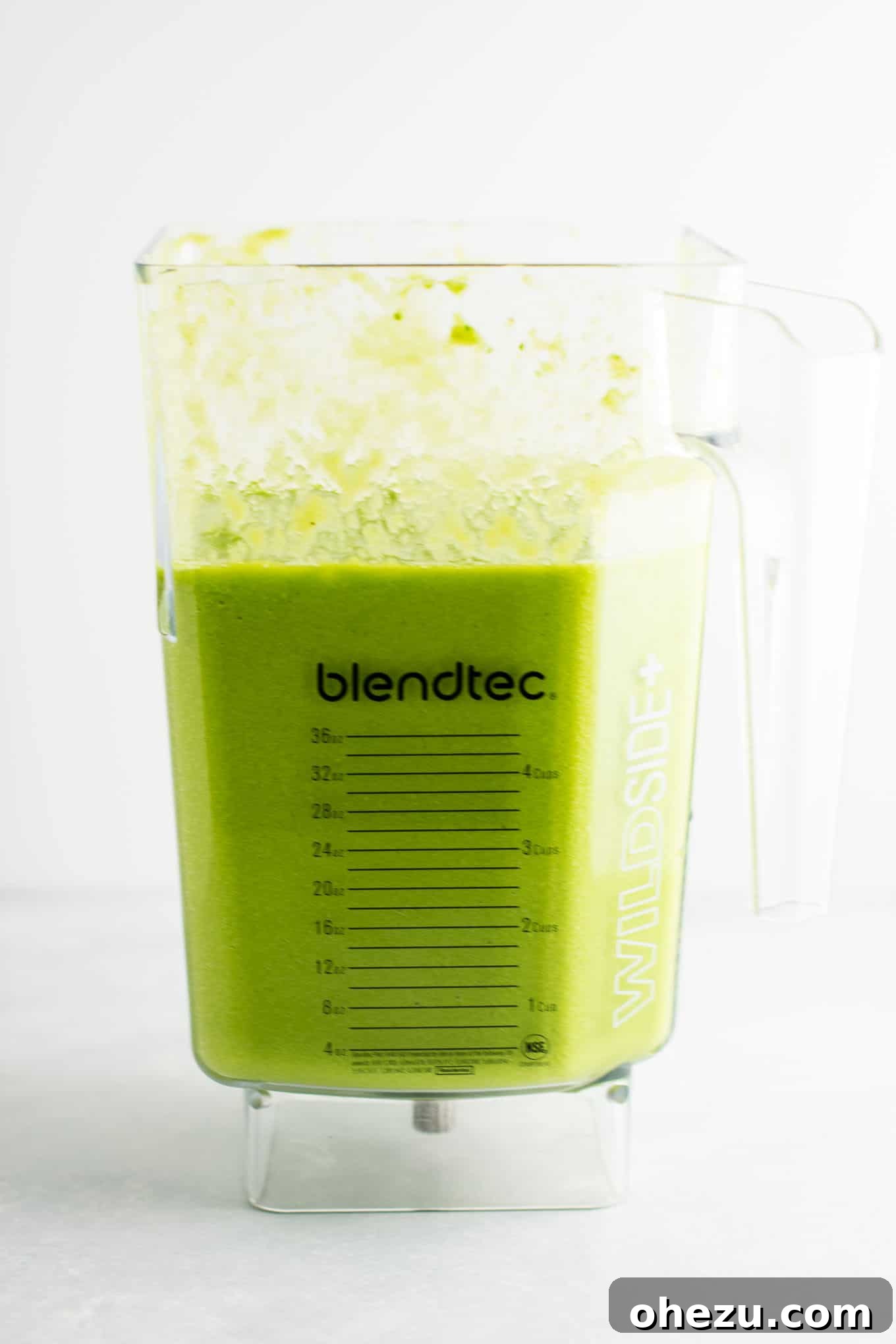
While some might enjoy green smoothies with a dairy base, a vast majority find that the crisp, clean taste achieved without milk is far superior. The key to successful smoothie making, especially when going milk-free, lies in understanding how different flavors interact and complement each other. Failing to grasp these foundational principles can lead to less-than-stellar results, potentially discouraging you from making smoothies altogether. I once found myself in that very position, struggling to create a delicious blend. However, once I unlocked the secrets of flavor pairing and ingredient synergy, making incredible homemade smoothies became second nature – a healthy and enjoyable habit I now cherish daily.
The Many Benefits of Crafting Milk-Free Smoothies
Beyond personal taste preferences, there are several compelling reasons to opt for milk-free smoothies:
- Accommodates Dietary Needs: For individuals with lactose intolerance, dairy allergies, or those committed to a vegan or plant-based diet, eliminating milk is a necessity. Milk-free smoothies offer a fantastic, delicious way to enjoy nutrient-dense meals without compromising on health or ethical considerations.
- Purer Flavor Profile: Dairy milk can sometimes mask or dilute the vibrant natural flavors of fruits and vegetables. By removing it, you allow the true essence and nuanced tastes of your ingredients to shine through, resulting in a cleaner, more intense and authentic flavor experience.
- Lighter and More Refreshing: Smoothies made without milk often feel inherently lighter and more refreshing, making them particularly appealing on warm days or as a post-workout recovery drink. Their high water content contributes to excellent hydration.
- Gentler on Digestion: For many, dairy can cause digestive discomfort such as bloating or gas. A milk-free smoothie can be significantly easier on the stomach, promoting better digestion and overall gastrointestinal comfort.
- Increased Versatility: Eliminating milk opens up a wider range of flavor combinations, particularly with highly acidic fruits or specific vegetables that might not always pair well with the creaminess of dairy. This allows for greater creativity in your smoothie creations.
- Potential Calorie Control: While not always the case, choosing water or high-liquid fruits over milk can sometimes reduce the overall calorie count of your smoothie, depending on the specific ingredients used.
Can You Make a Smoothie with Water Instead of Milk?
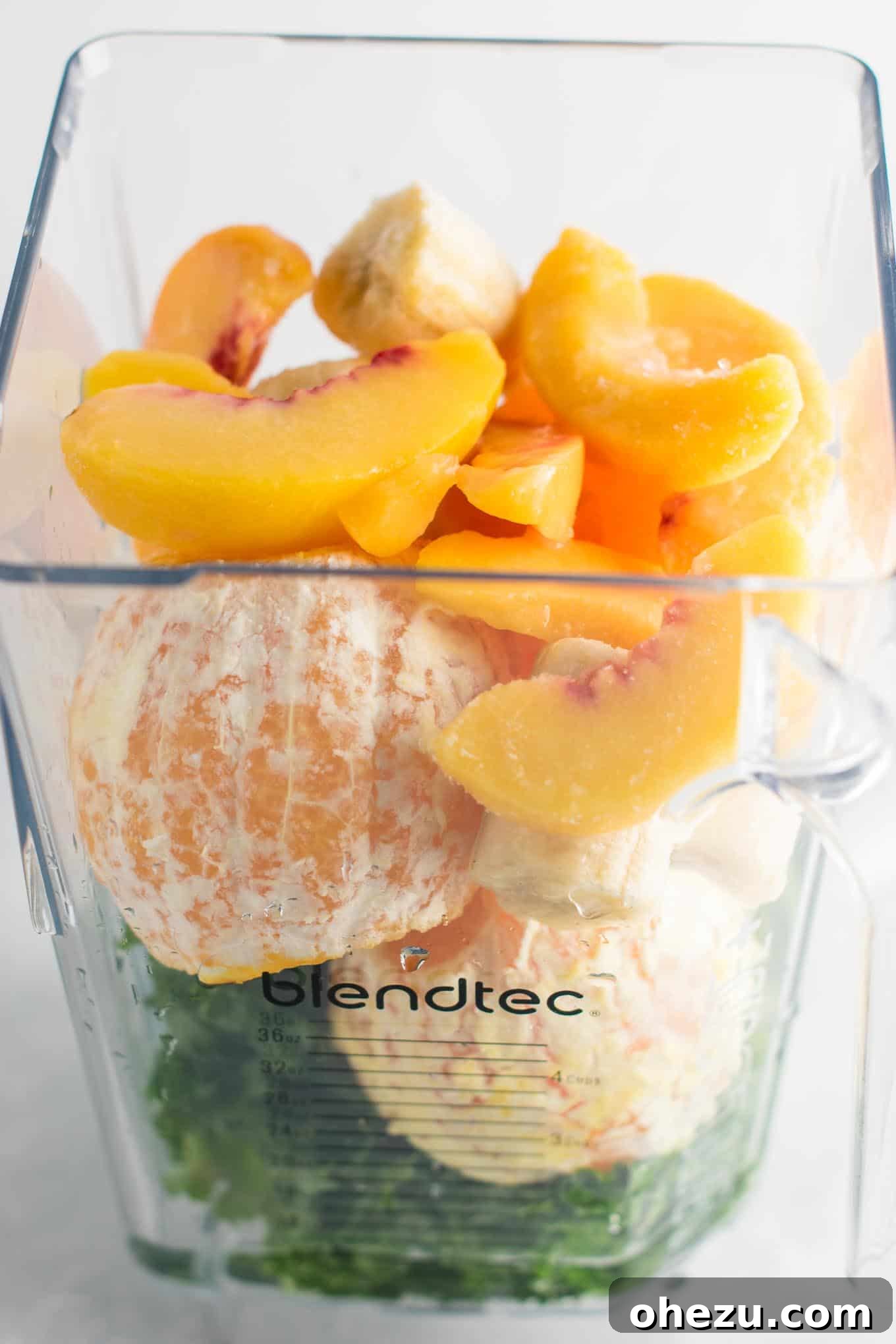
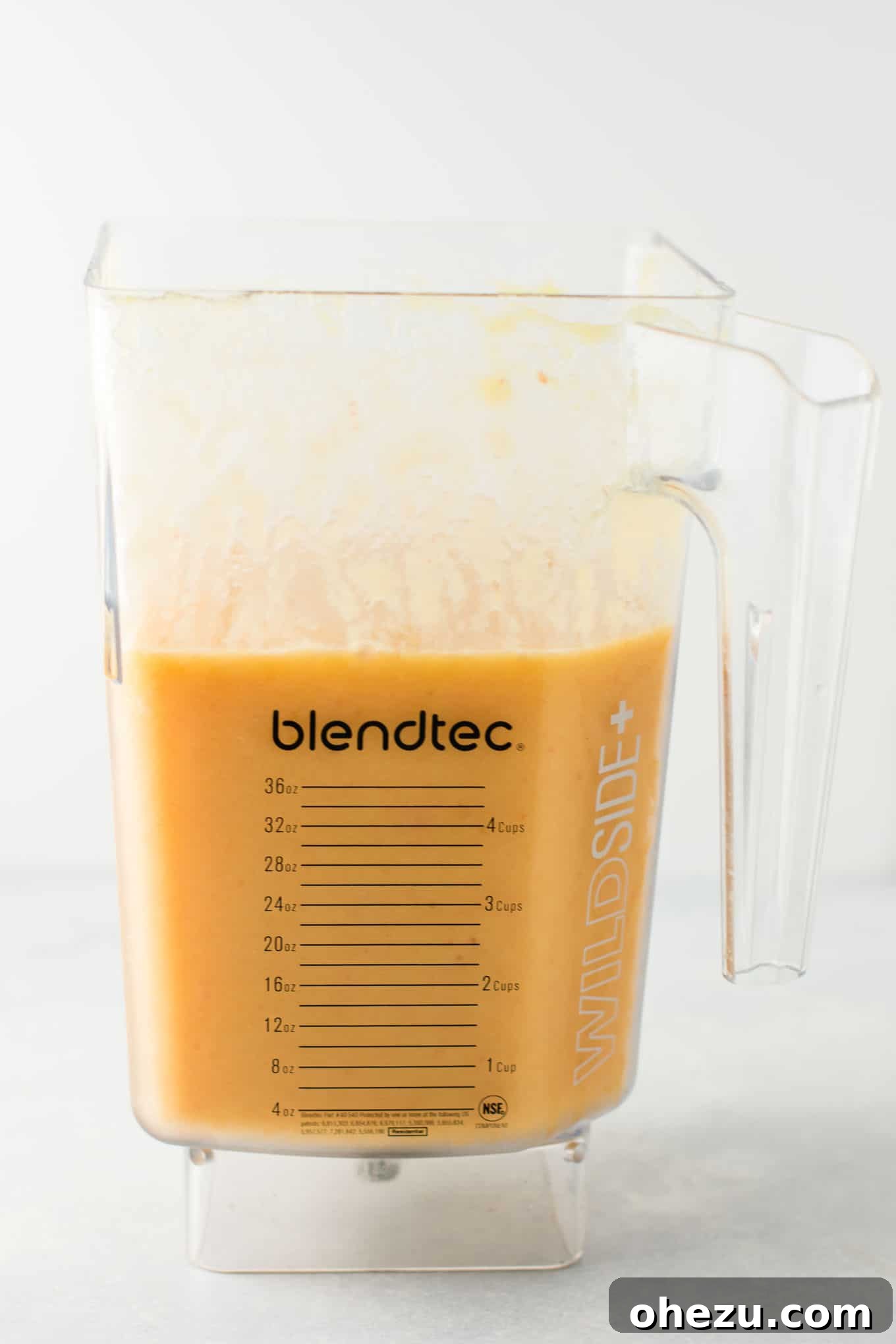
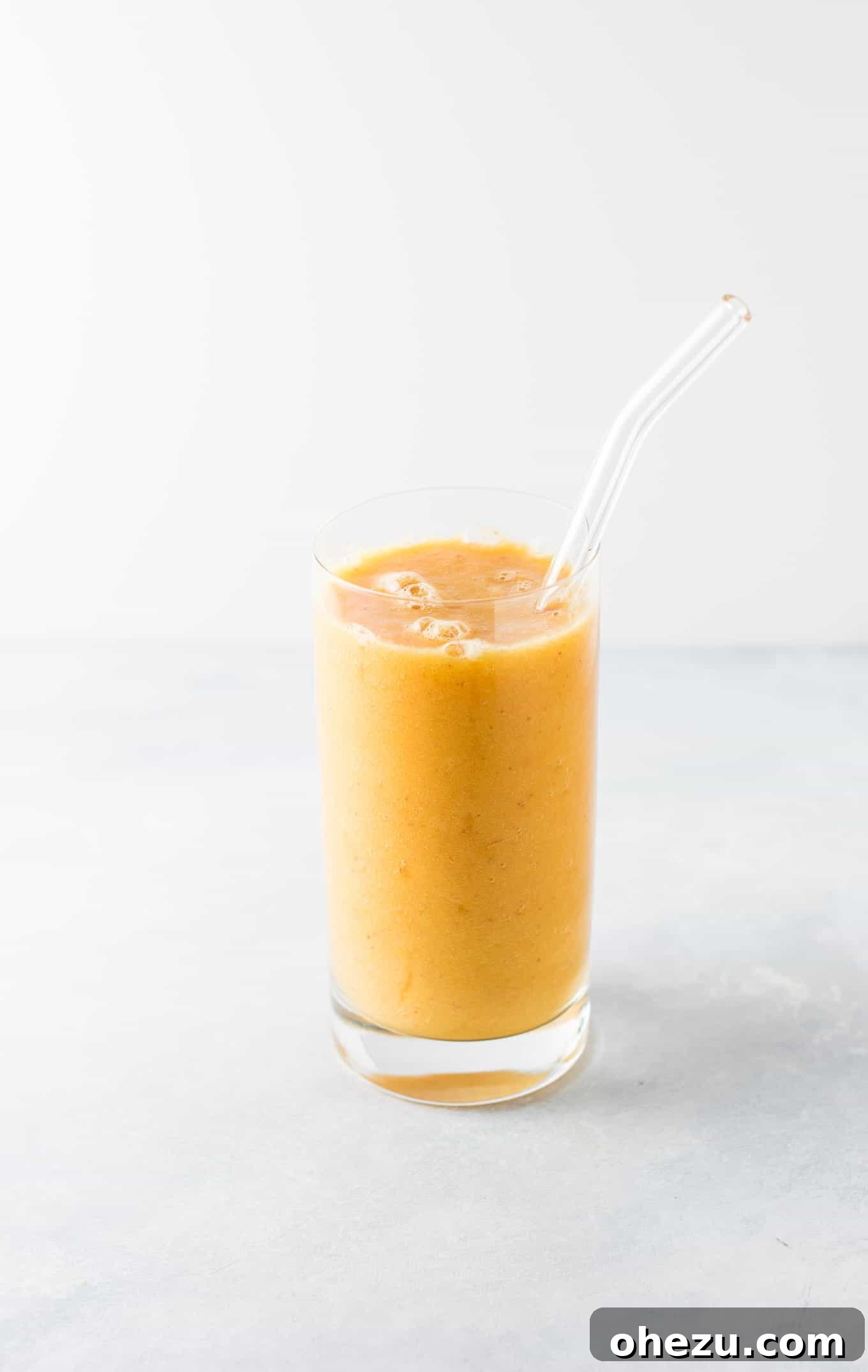
Absolutely, yes! Water is an excellent and often overlooked liquid base for smoothies. It provides the necessary fluidity for blending without adding extra calories, sugars, or significantly altering the inherent flavor profile of your fruits and vegetables. It’s particularly effective when combined with produce that is naturally high in liquid content. A perfect illustration of this is our popular Ginger Peach Detox Smoothie. This recipe expertly uses just one cup of water alongside highly hydrating produce like fresh lemon, orange, crisp apple, and refreshing cucumber, creating a smooth, delicious, and incredibly invigorating blend.
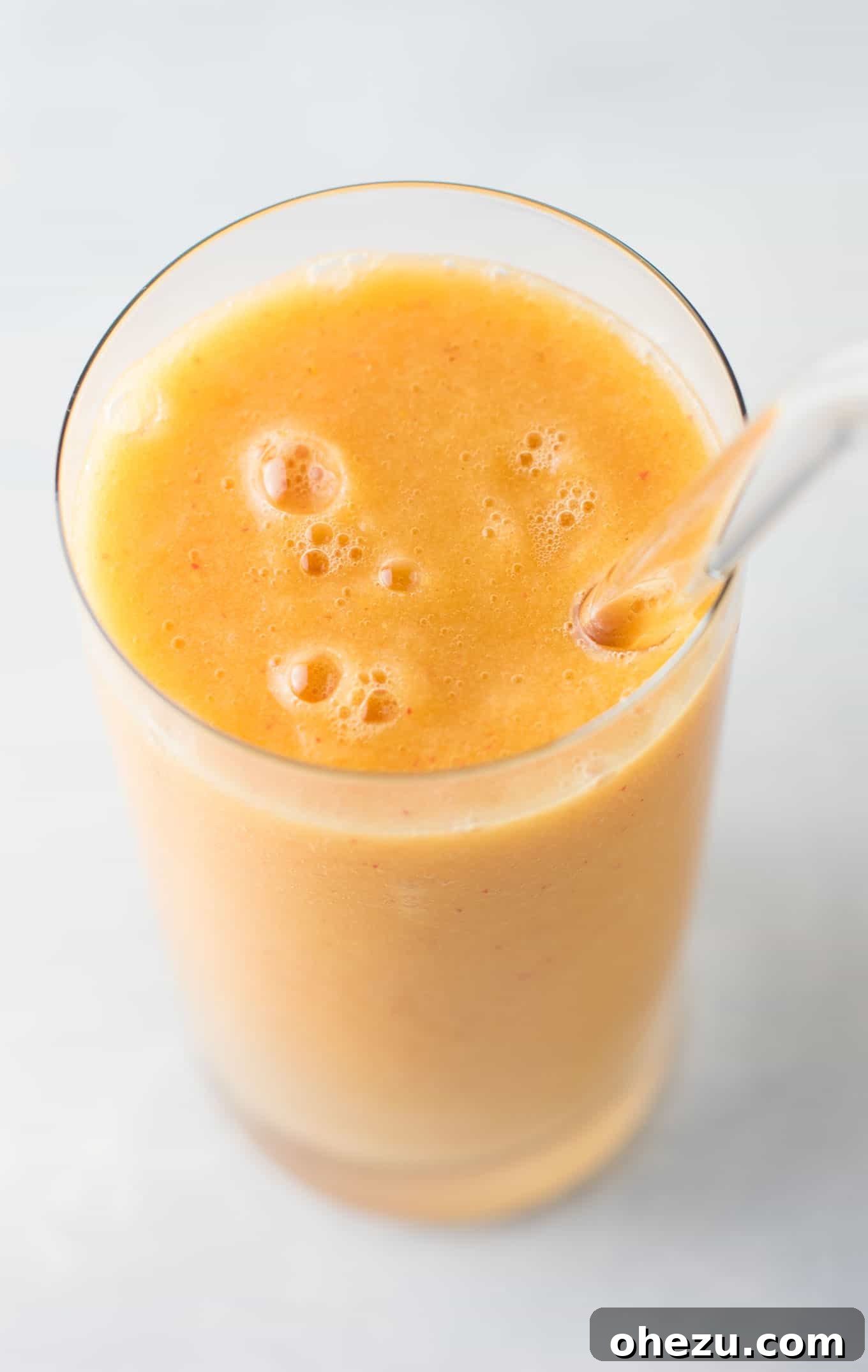
However, discretion is key when using water as your liquid. It’s crucial not to overdo it, as an excessive amount of water can quickly lead to a thin, watery smoothie that lacks the desired thickness and flavor intensity. The optimal approach I’ve discovered is to strategically combine naturally high-liquid fruits and vegetables with just enough water to facilitate smooth blending. This method ensures you achieve a wonderfully thick and creamy consistency without sacrificing any of the rich, natural flavors. For truly superior results and the creamiest texture, especially when working with frozen ingredients and fibrous greens, using a high-speed blender, such as a Vitamix or Blendtec, is highly recommended. These powerful machines can effortlessly pulverize ingredients, breaking them down into an incredibly smooth and luxurious mixture.
Crafting Smoothies Without Any Milk or Yogurt
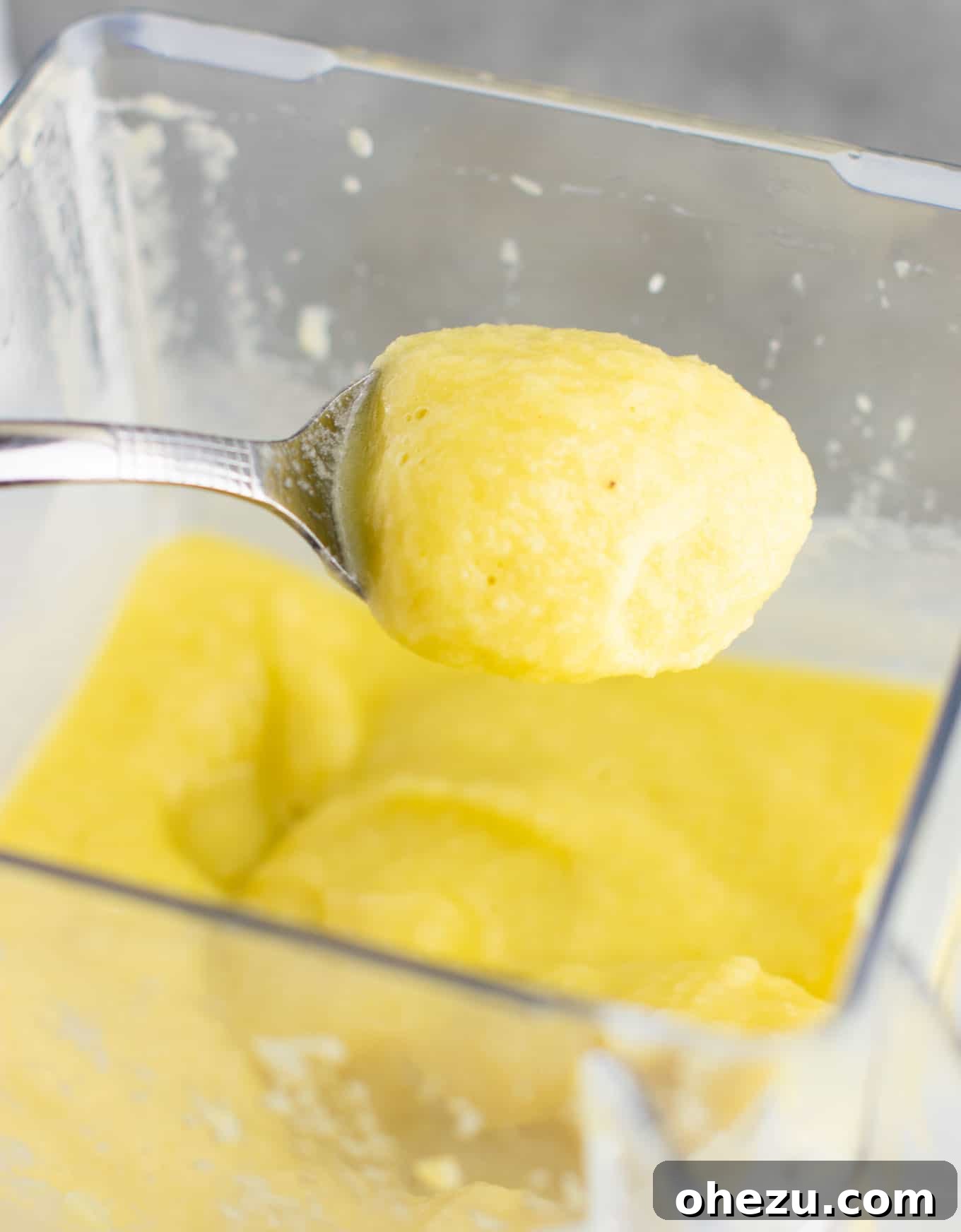
As we’ve explored, the secret to creating luscious, milk and yogurt-free smoothies lies in leveraging the natural moisture content of certain fruits and vegetables, supplemented by a minimal amount of water if necessary. These ingredients effectively become your liquid foundation, providing both essential hydration and a burst of natural flavor, eliminating the need for dairy products entirely.
Top High-Water Content Fruits and Vegetables for Milk-Free Smoothies
Incorporating these juicy powerhouses is essential for achieving the perfect consistency and flavor without dairy. They provide the necessary liquid without diluting your smoothie’s taste:
- Pineapple: Bursting with tropical sweetness and liquid, excellent for a bright, tangy base.
- Lemons & Limes: Add a refreshing zing, significant liquid content, and naturally brighten all other flavors in your blend.
- Oranges: Naturally sweet and incredibly juicy, perfect for a vibrant, citrusy, and hydrating base.
- Watermelon: Composed of nearly 92% water, it’s a supreme hydrator and adds a subtle, refreshing sweetness.
- Strawberries: High in water content and provide a lovely sweet-tart flavor that complements many other fruits.
- Cantaloupe: Another delightful melon packed with water and a delicate sweetness, ideal for a creamy texture.
- Cucumber: Extremely hydrating and remarkably mild in flavor, making it a stealthy yet effective liquid base. You often won’t even taste it, making it perfect for sneaking in extra hydration and nutrients.
- Peaches: Sweet, fragrant, and wonderfully juicy, they add a fantastic texture and natural sugars to your smoothie.
- Apples: Contribute natural sweetness, beneficial fiber, and a good amount of liquid, especially varieties like Honeycrisp or Gala.
My personal go-to ingredients from this list often include cucumber, for its seamless integration and hydrating power, apples, which lend a delightful natural sweetness and body, and any form of citrus fruit (like oranges or lemons), for their unparalleled ability to invigorate and elevate the entire smoothie with a zesty freshness.
Crafting Your Perfect Milk-Free Smoothie: Step-by-Step Guide
Follow these simple steps for consistently perfect, dairy-free smoothies with ideal consistency and flavor:
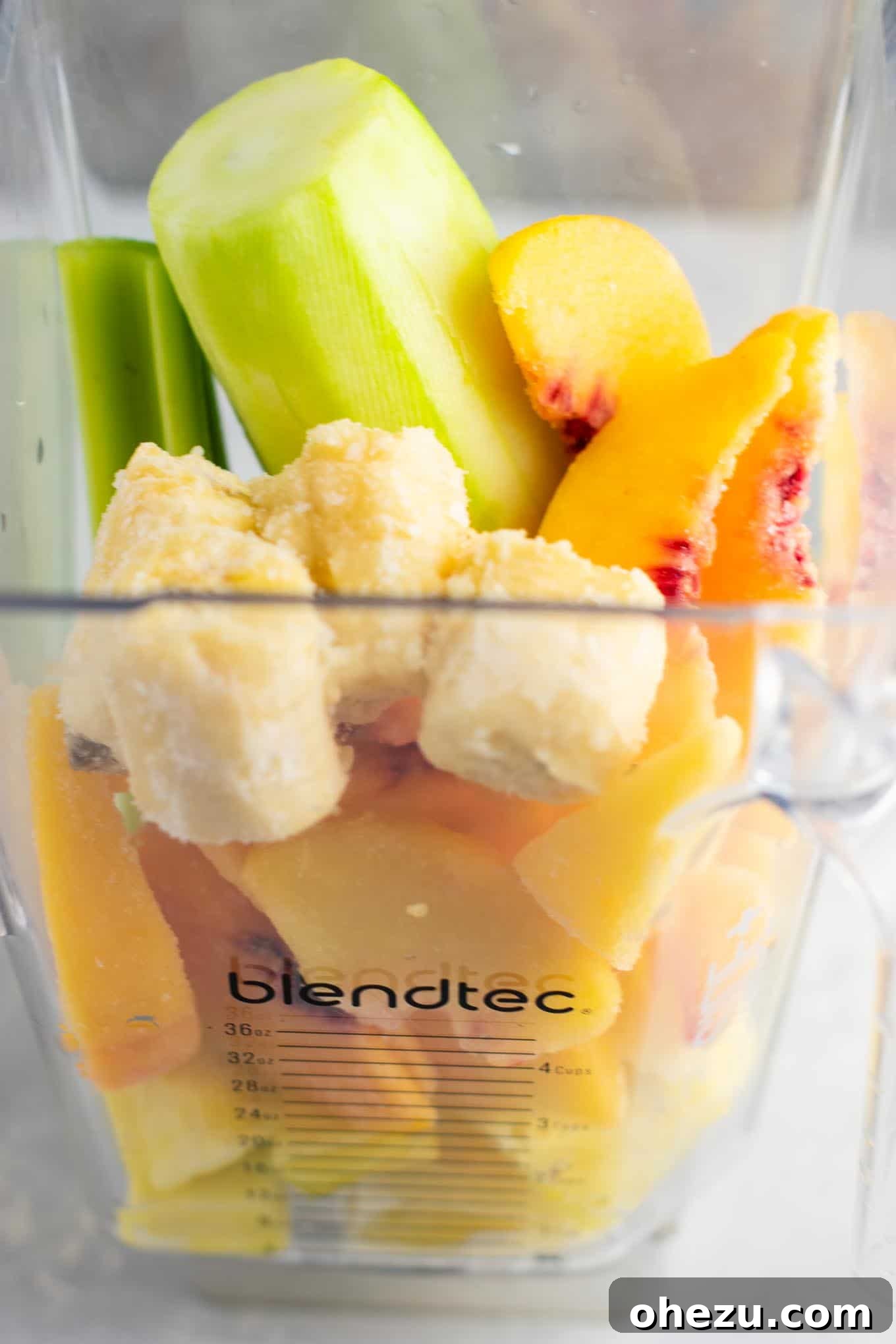
- Liquid First: Always begin by adding your chosen liquid base (whether it’s water, fresh juice, or your high-liquid fruits/vegetables) to your blender. This critical step ensures the blades can move freely, efficiently creating a vortex that pulls all ingredients downwards, preventing them from getting stuck.
- Optional Pre-Blend for Liquids: (This step is often beneficial, especially for blenders that aren’t high-powered, or when using a lot of fresh, high-liquid produce) If you’re relying heavily on high-liquid fruits and vegetables as your primary liquid, blend them first until completely smooth. This creates a foundational liquid that makes it significantly easier for the blender to incorporate denser frozen ingredients and fibrous greens.
- Add Remaining Ingredients: Carefully introduce your other components. This typically includes frozen fruits (your key to thickness), fresh greens (spinach, kale), seeds (chia, flax), protein powders, or any other desired boosters.
- Blend Until Smooth: Secure the lid firmly and blend on high speed until the mixture is entirely smooth and creamy, with no visible chunks or gritty texture. If your blender has a tamper, use it to push ingredients down towards the blades, ensuring an even blend. Start on a lower speed and gradually increase to high.
For those with robust, high-powered blenders, you might find you can effectively combine all ingredients at once (potentially skipping step 2). However, I frequently find that pre-blending the liquid components first ensures an even smoother final product, particularly when incorporating a significant amount of frozen fruit or tough, fibrous greens. This method truly optimizes the blending process for the creamiest results.
Can You Make a Smoothie Without Any Added Liquid At All?
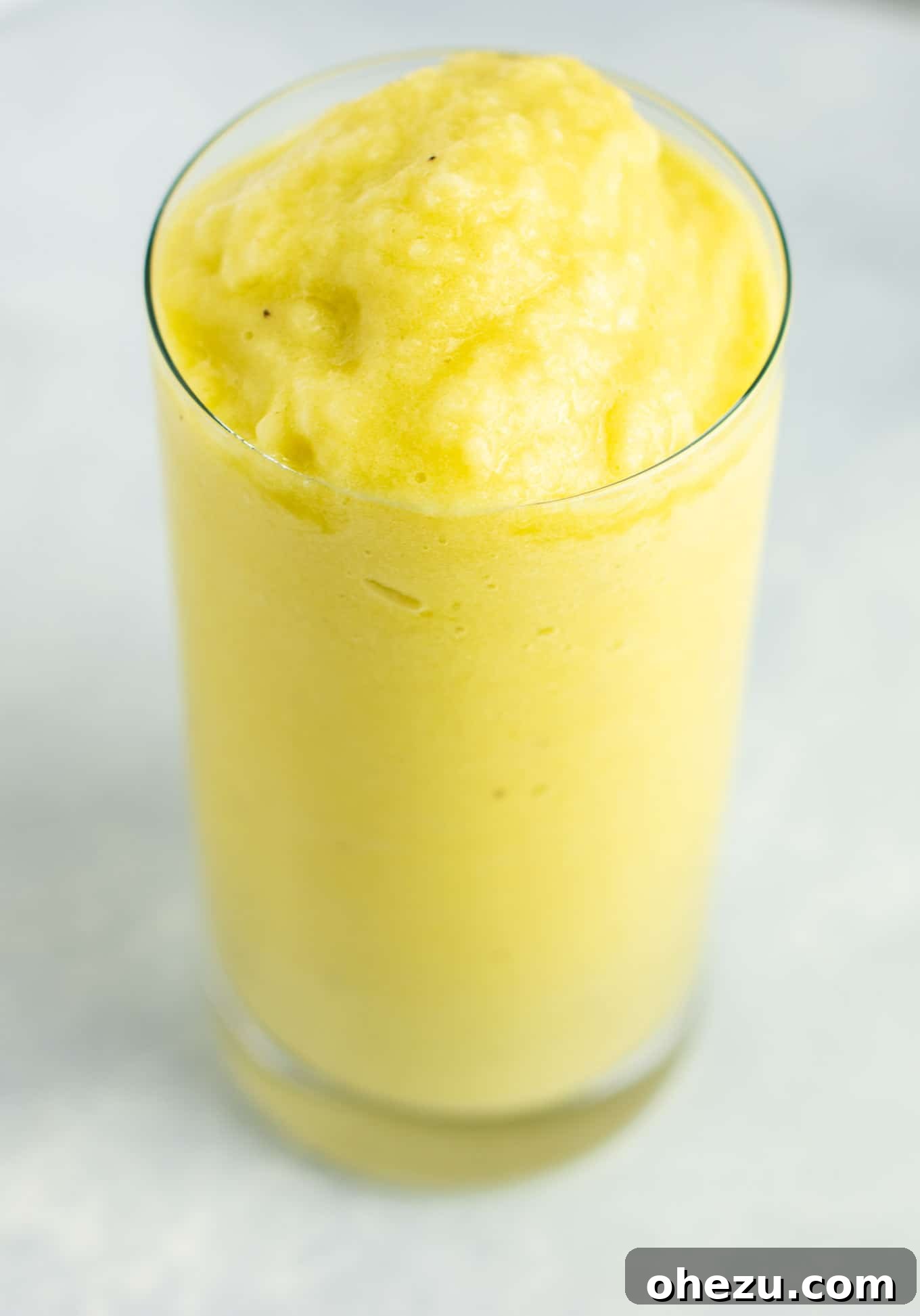
Surprisingly, yes! It’s entirely possible to create a delicious and satisfying smoothie without adding any extra water, juice, or milk. This method relies heavily on the natural liquid content of specific fruits and vegetables, particularly when they are fresh, ripe, and juicy. During one phase, this became my exclusive way of making smoothies because I absolutely adored the ultra-thick, intensely flavorful results. I often leaned into super tropical themes for these blends, yielding a smoothie experience akin to a rich, fruit-based frosty or sorbet!
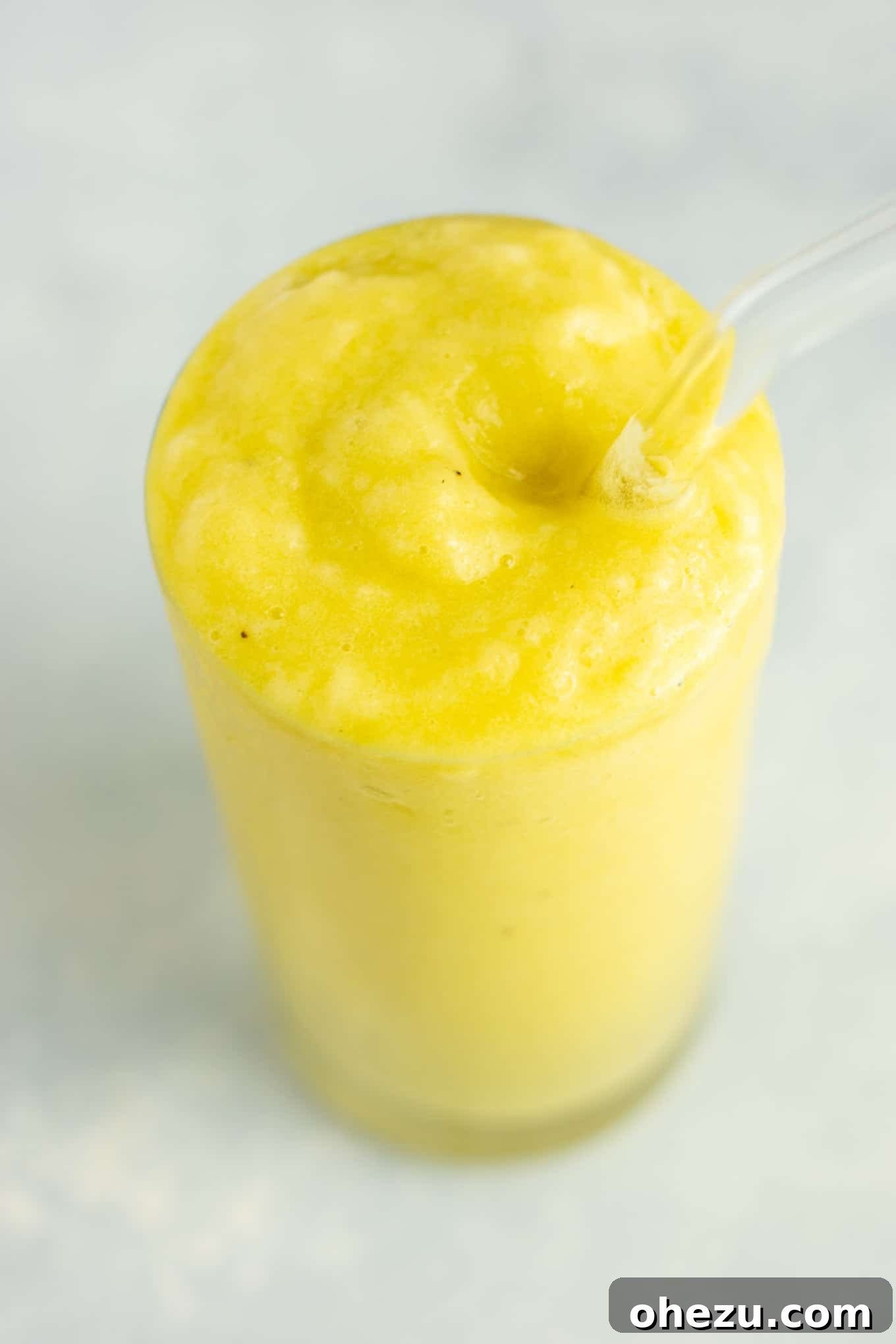
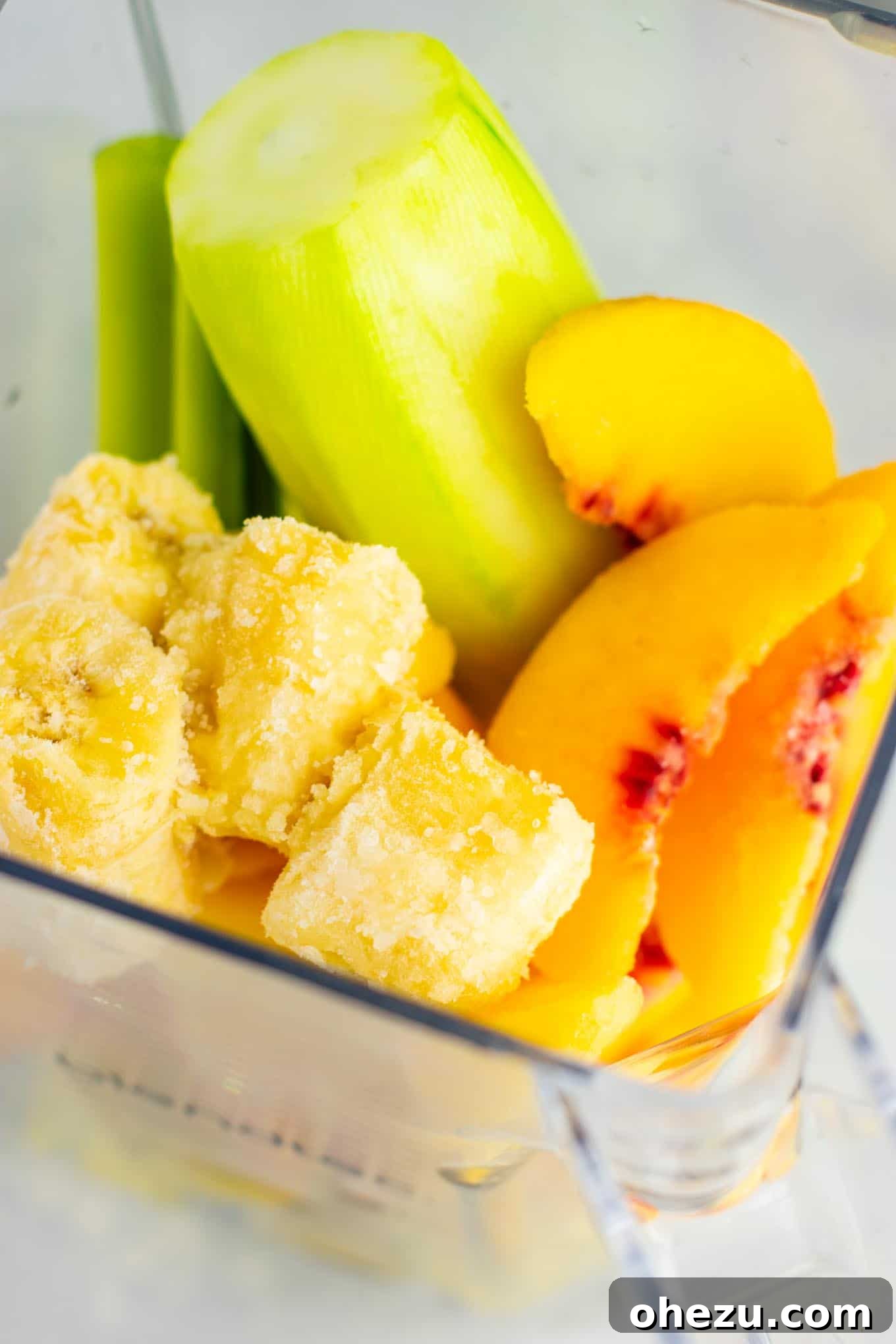
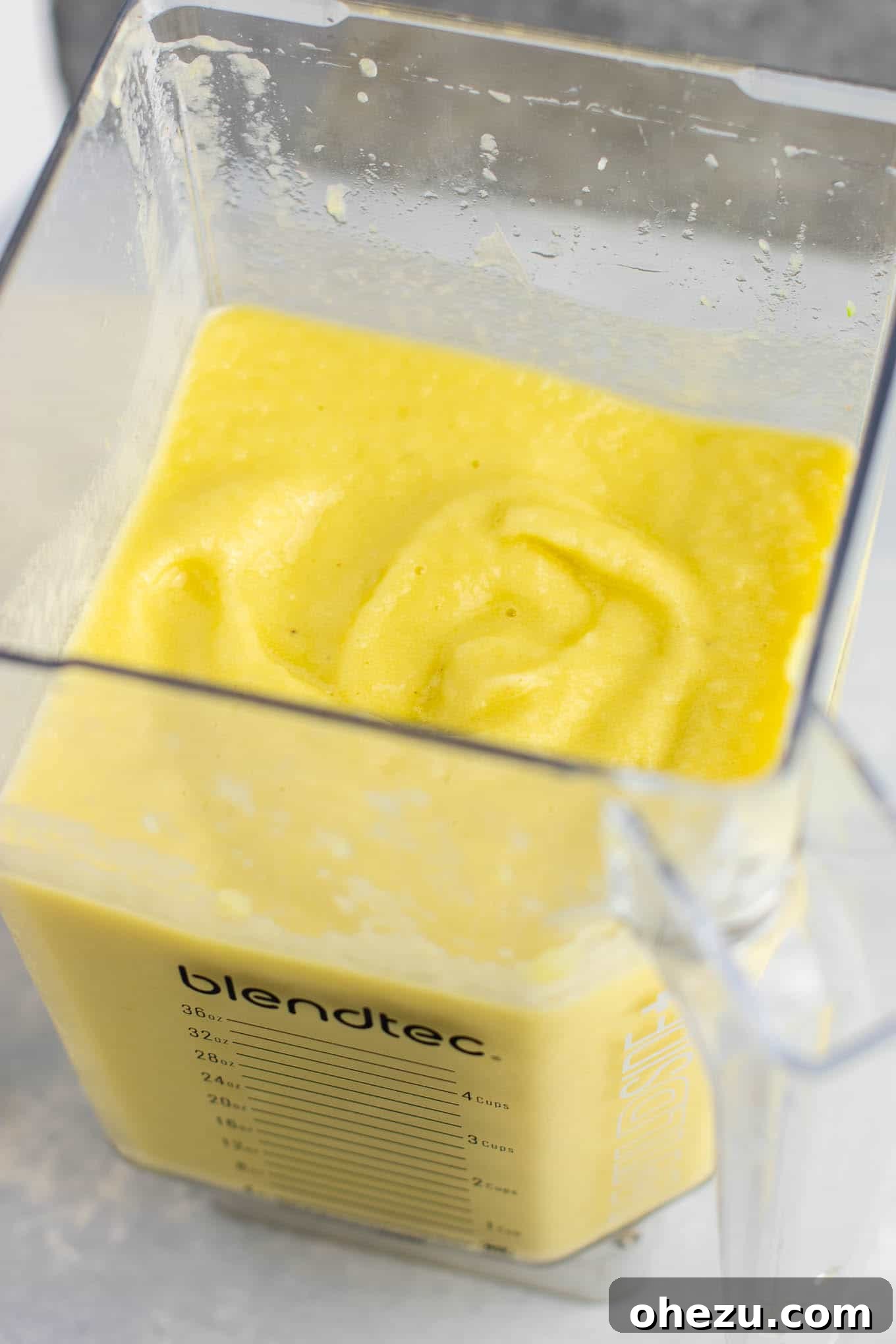
My renowned pineapple detox smoothie is a prime example of a completely liquid-free recipe. In this blend, fresh pineapple, crisp cucumber, and tangy lemon serve as the primary “liquid” components, providing all the necessary moisture. These were added to the blender first, ensuring they could be properly pulverized into a liquid base. After this, I added in my frozen fruit, a handful of ice, and any remaining ingredients, then blended until the mixture was incredibly thick, creamy, and bursting with tropical flavor – truly like a luxurious tropical dessert.
How to Make Your Milk-Free Smoothies Incredibly Thick and Creamy
For many, the ideal smoothie boasts a luxurious, thick, and creamy texture—almost like soft-serve ice cream or a milkshake. I personally cannot stand runny or gritty smoothies; for me, texture is paramount. Achieving that perfect, indulgent consistency transforms a simple drink into a delightful treat that feels satisfying and substantial. Here’s how you can master the art of making super thick, luscious smoothies without milk:
Key Strategies for Achieving Thicker Smoothies
- Minimize Liquid, Maximize High-Water Content Produce: This is the golden rule for thickness. Instead of pouring in lots of water, rely on the natural juices of fresh, ripe fruits like pineapple, oranges, and cucumber. If you absolutely need to add liquid, start with a very small amount (a quarter cup) and only add more in tiny increments if your blender truly struggles to process the ingredients.
- Harness the Power of Frozen Fruit: Frozen fruit is your best friend for thickness. It not only chills your smoothie perfectly but also contributes significantly to a dense, creamy texture without watering it down. Always aim to use at least one type of frozen fruit, such as frozen bananas (excellent for creaminess), berries, mangoes, peaches, or even frozen cauliflower for a neutral boost.
- Strategic Use of Ice: Ice can certainly help thicken a smoothie and make it colder, but it should be added cautiously. Too much ice can make a smoothie icy, dilute the flavor, and create a “slushy” rather than a creamy texture. My preferred method is to add ice toward the end of the blending process, a cup or two at a time, blending until the desired ice cream-like consistency is achieved. This ensures a thick, chilled smoothie without compromising on taste.
- Incorporate Fiber-Rich Boosters: Ingredients like chia seeds, flax seeds (ground is best for absorption), or even a tablespoon of rolled oats (blended well) can absorb liquid and add incredible thickness, body, and nutritional value to your smoothie. Remember to let chia seeds sit for a few minutes to fully plump up and create a gel-like consistency.
- Utilize a High-Speed Blender: As mentioned earlier, a powerful blender is invaluable for achieving superior thickness and smoothness. It breaks down frozen ingredients, fibrous greens, and seeds more efficiently and thoroughly, resulting in a much smoother, thicker, and creamier texture than conventional blenders can often achieve.
My usual routine involves starting with my minimal liquid base (either a splash of water or high-liquid fresh produce), blending it until it forms a smooth liquid. Then, I add a generous amount of frozen fruit and blend again until incorporated. If the smoothie still isn’t reaching that ultra-thick, ice cream-like consistency I crave, I’ll gradually incorporate a cup or two of ice, blending continuously until it’s perfect. Trust me, once you experience the luxuriousness of an ice cream-thick smoothie, there’s no going back!
Embrace the Art of Milk-Free Smoothie Making and Experiment!
I sincerely hope this comprehensive guide has demystified the process of making delicious smoothies without milk and inspired you to explore new possibilities in your kitchen. For years, I struggled to make truly satisfying smoothies, unaware of these simple yet powerful tips and tricks. But once I understood the “science” behind balancing ingredients, leveraging natural liquids, and achieving the perfect texture, the world of homemade smoothies opened up entirely. It’s truly a matter of learning how ingredients interact and complement each other, and once you master these combinations, your smoothie creations will be limitless and consistently delightful.
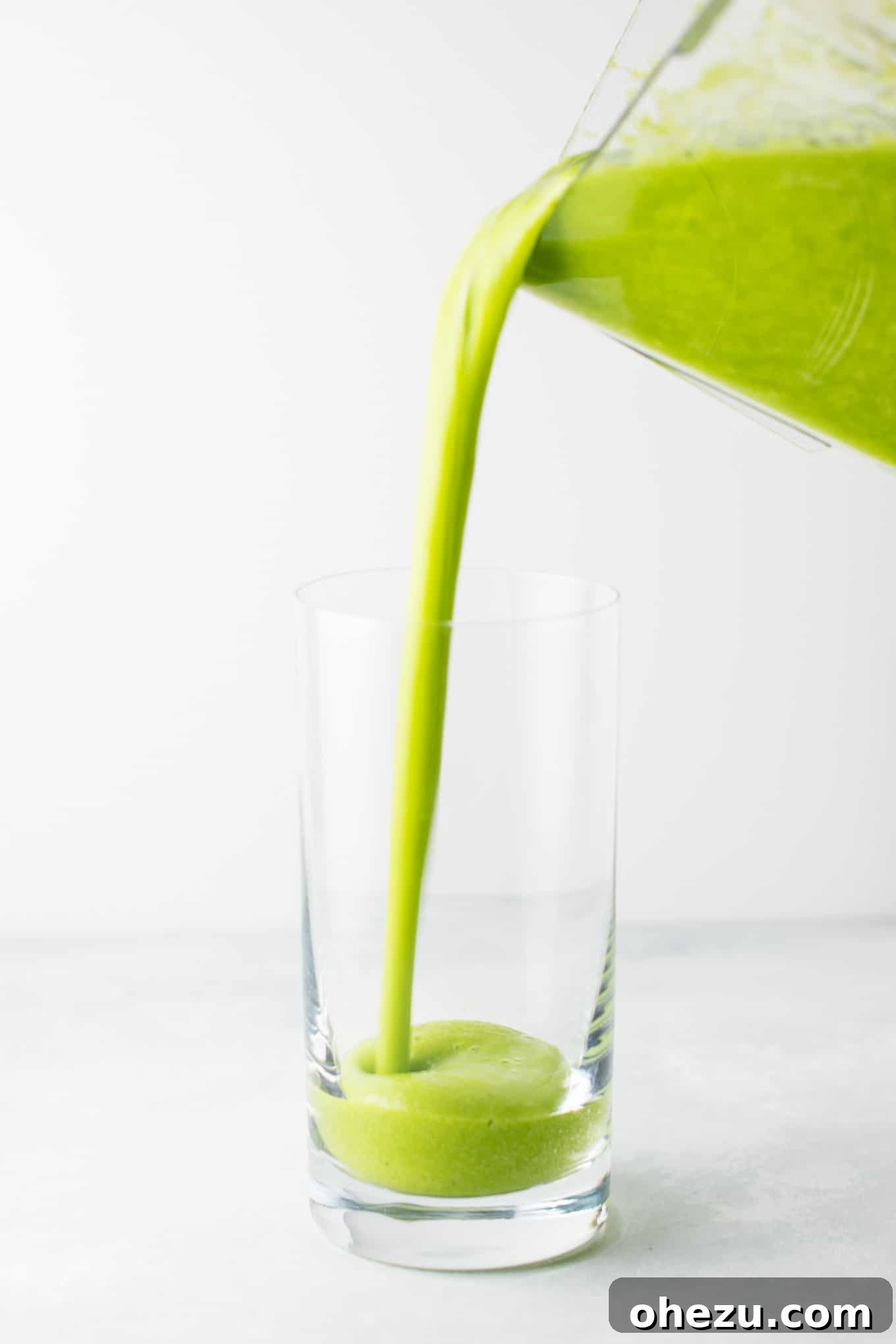
Smoothies are an incredible and enjoyable way to infuse your body with a concentrated dose of nutrient-packed goodness. They are a cornerstone of my healthy lifestyle, providing essential vitamins, minerals, and hydration in a delicious and convenient format. Don’t be afraid to experiment with different fruits, vegetables, and boosters to find your absolute favorite milk-free combinations. The kitchen is your laboratory – happy blending and enjoy your journey to healthier, tastier smoothies!
More Delicious Milk-Free Smoothie Recipes to Try
Ready to put your new knowledge into practice? Explore some of our other fantastic smoothie recipes, all designed to be bursting with flavor and made without milk. These recipes are perfect for inspiring your next healthy blend:
- Carrot Cake Smoothie
- Pineapple Detox Smoothie
- Blueberry Pie Smoothie
- Ginger Peach Detox Smoothie
- The Best Green Smoothie Recipe
- Peanut Butter Banana Smoothie
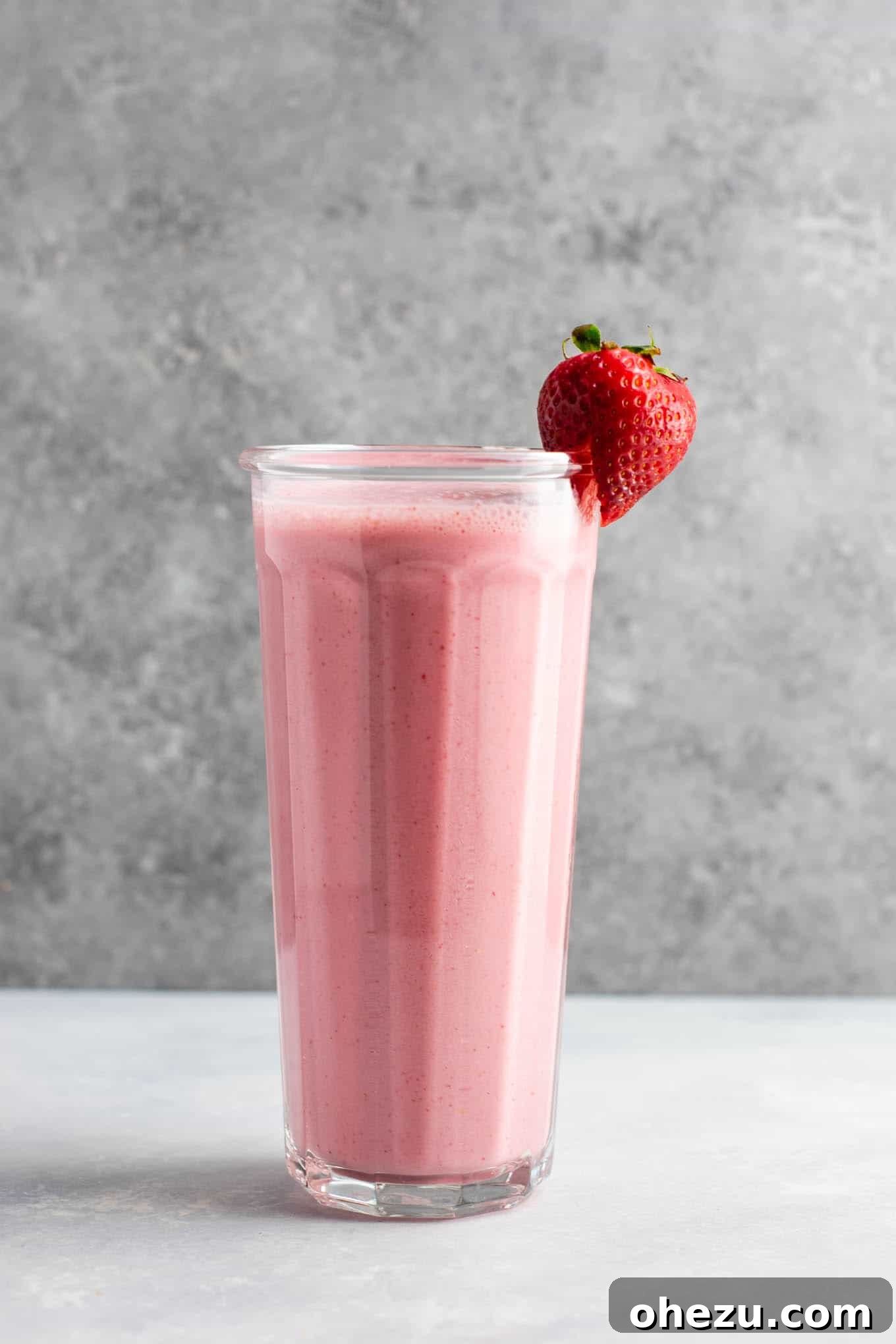
- Strawberry Smoothie
- Healthy Peach Smoothie
- Strawberry Watermelon Smoothie
- Healthy Strawberry Banana Smoothie
- Frozen Pumpkin Pie Smoothie