
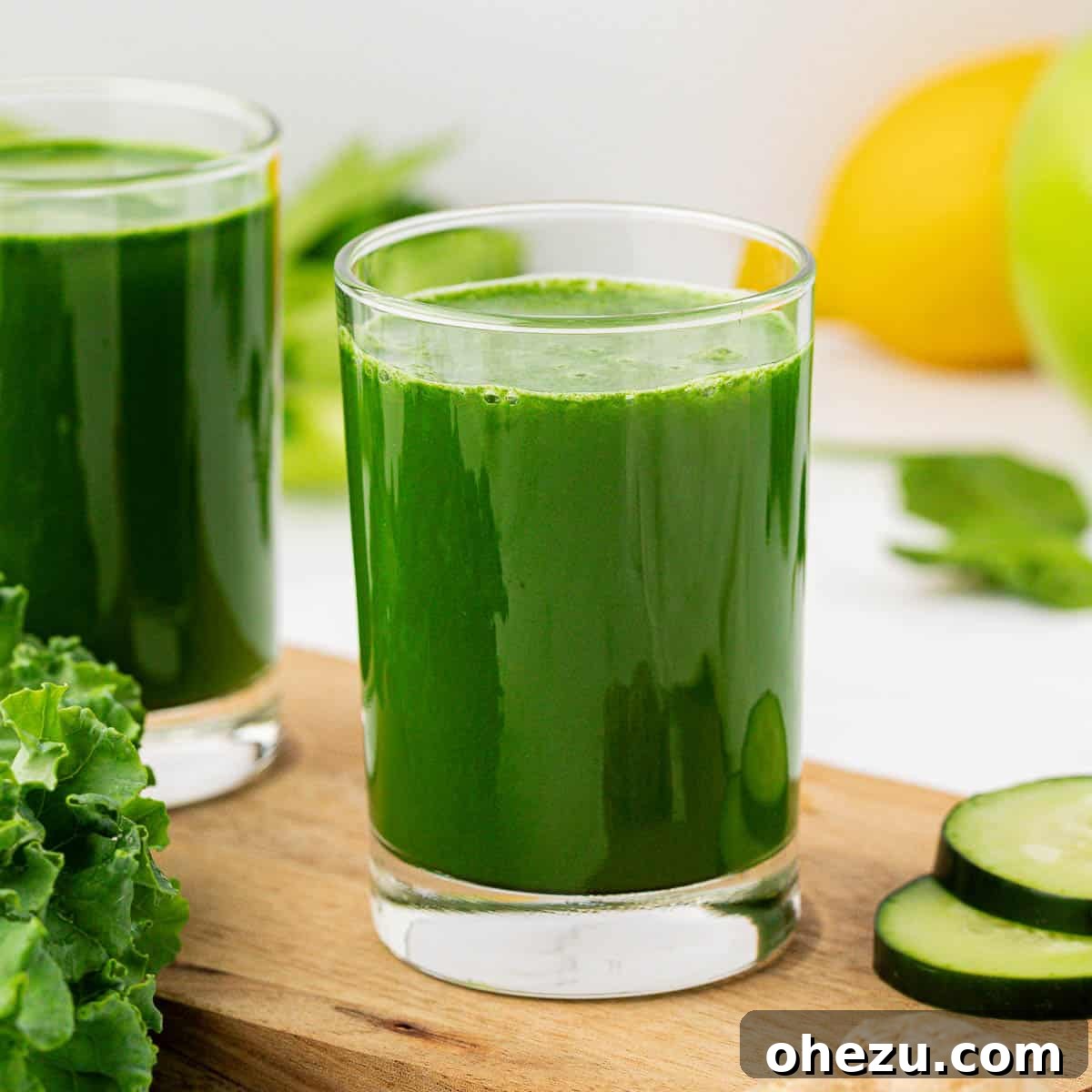
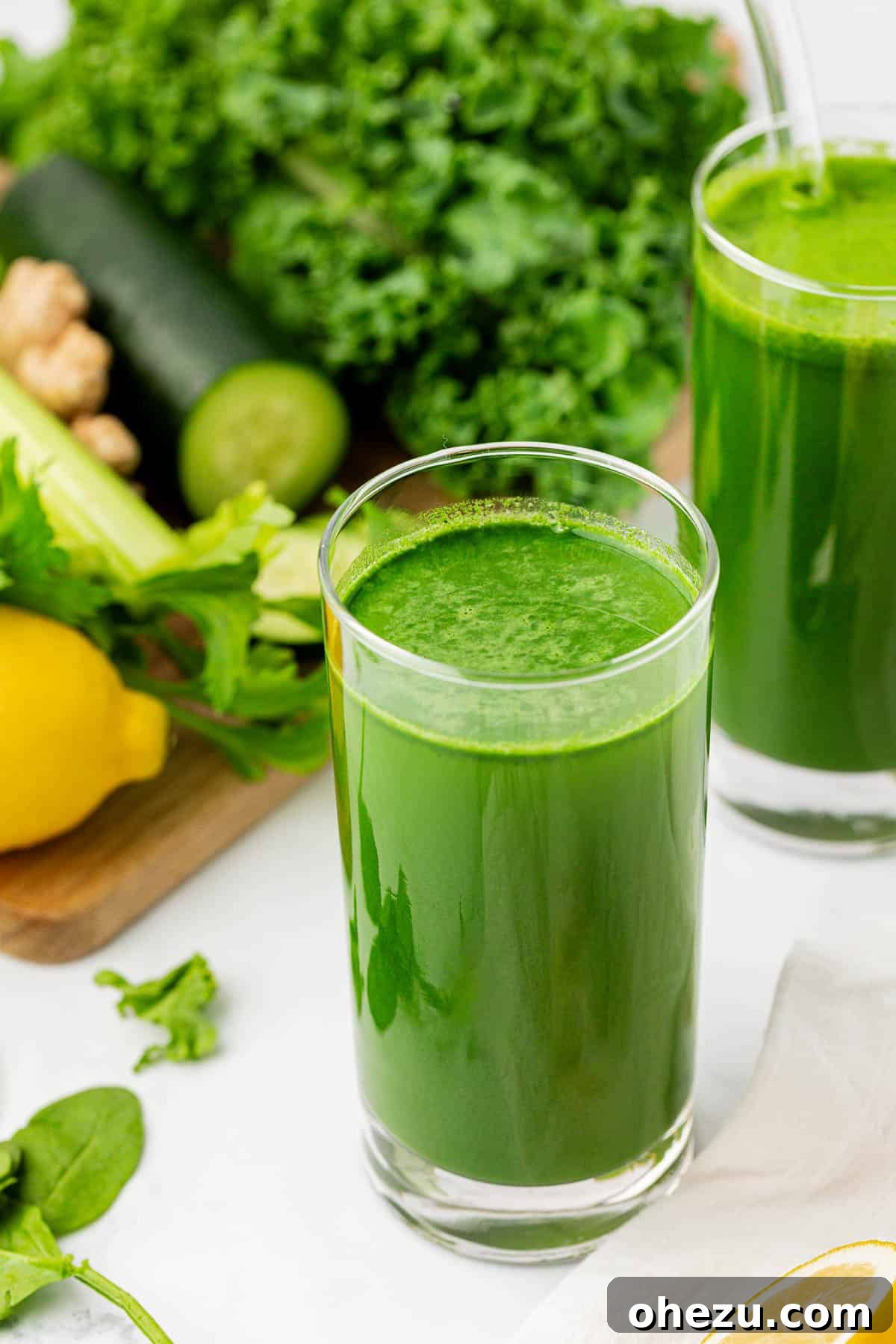
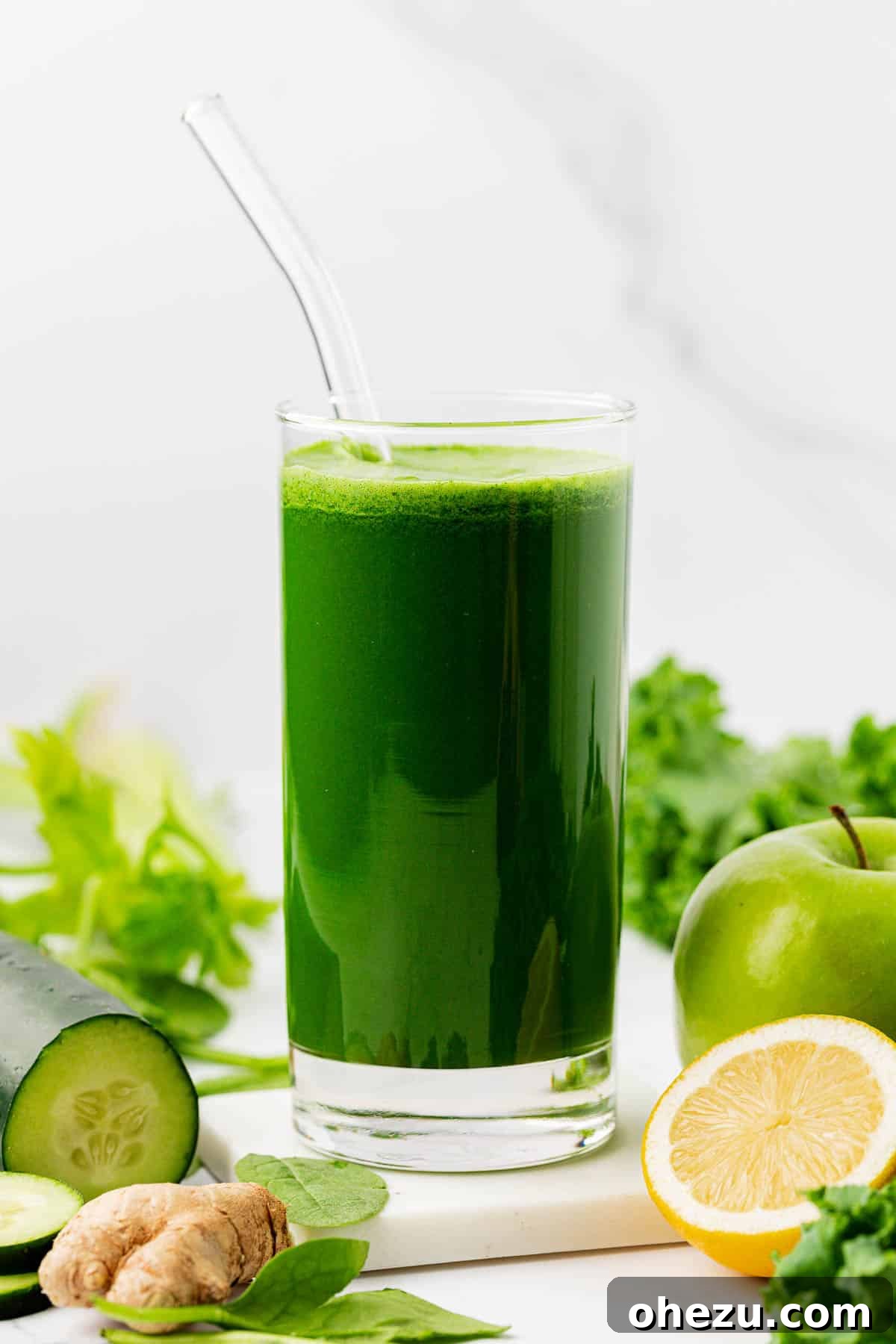
Unlock a new level of wellness with the absolute best Green Juice Recipe! This vibrant concoction is thoughtfully crafted with nutrient-dense kale, refreshing cucumbers, zesty lemon, crisp celery, iron-rich spinach, sweet green apples, and warming ginger, offering a powerful boost to your daily health regimen.
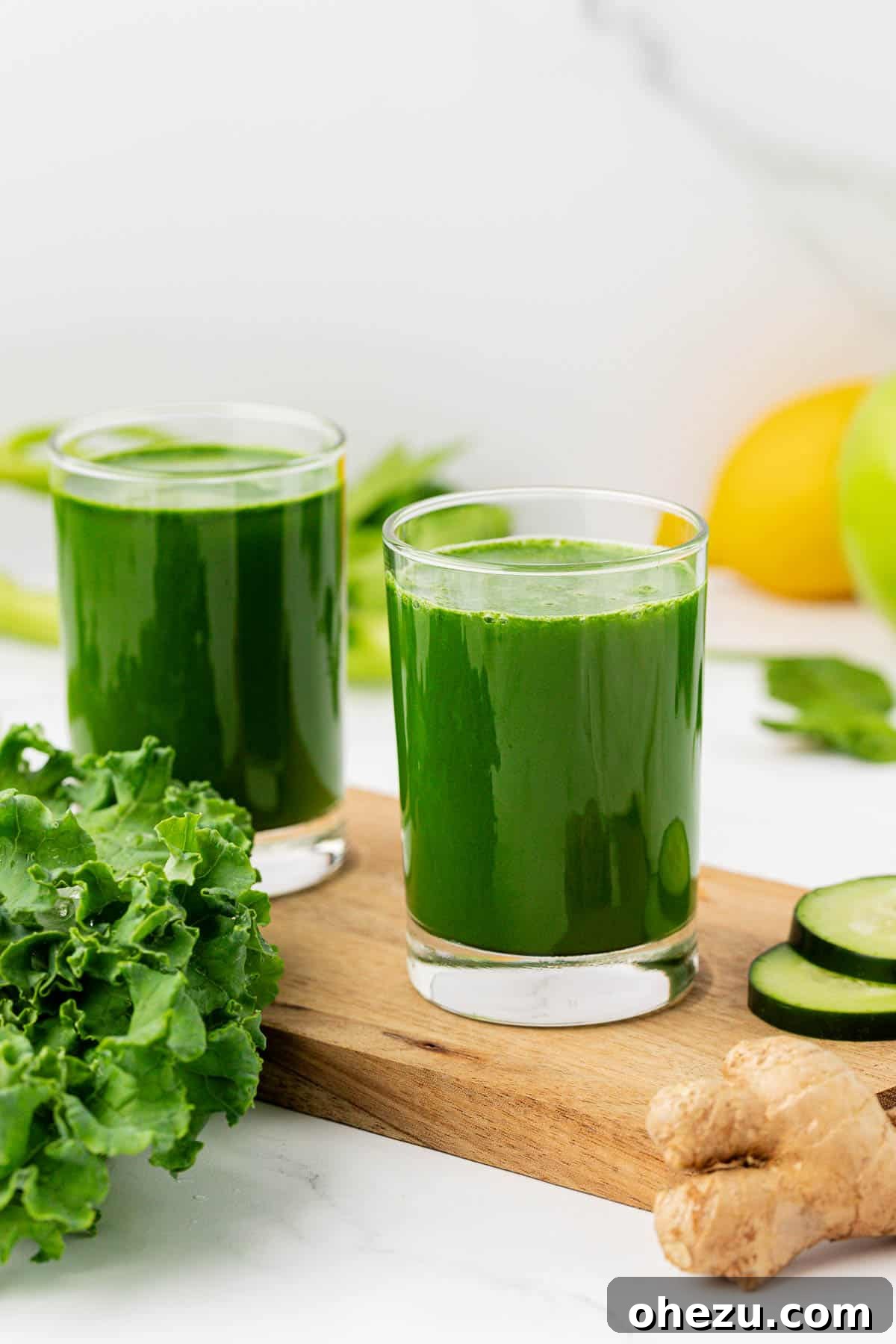
The Ultimate Green Juice Recipe for Vibrant Health
There’s nothing quite like starting your morning with a glass of freshly made green juice. For years, integrating juicing into my routine has been a cornerstone of my wellness journey. While I firmly believe in the importance of whole foods and never advocate for replacing full meals with juice (or engaging in juice fasts without professional guidance), incorporating a delicious green juice is an excellent way to effortlessly flood your body with a concentrated dose of essential vitamins, minerals, and antioxidants.
If you’re looking to significantly increase your daily intake of vegetables and fruits, juicing offers an incredibly efficient and palatable solution. It allows you to consume a far greater variety and quantity of produce than you might typically eat in a single sitting, ensuring your body receives a broad spectrum of beneficial compounds.
I distinctly notice a positive shift in my energy levels, mental clarity, and overall well-being when I consistently include green juice in my diet. The anticipation of a cold-pressed, fresh glass of this emerald elixir is something I truly look forward to each day, knowing I’m nourishing my body from the inside out.
My fascination with juicing began during my teenage years. Back then, it wasn’t uncommon for me to drink 25-40 ounces of juice first thing in the morning, driven by an eagerness to embrace healthier habits. Over time, I’ve refined my approach, focusing on balanced, flavorful recipes that are both enjoyable and incredibly beneficial.
Why This Green Juice Recipe Stands Out
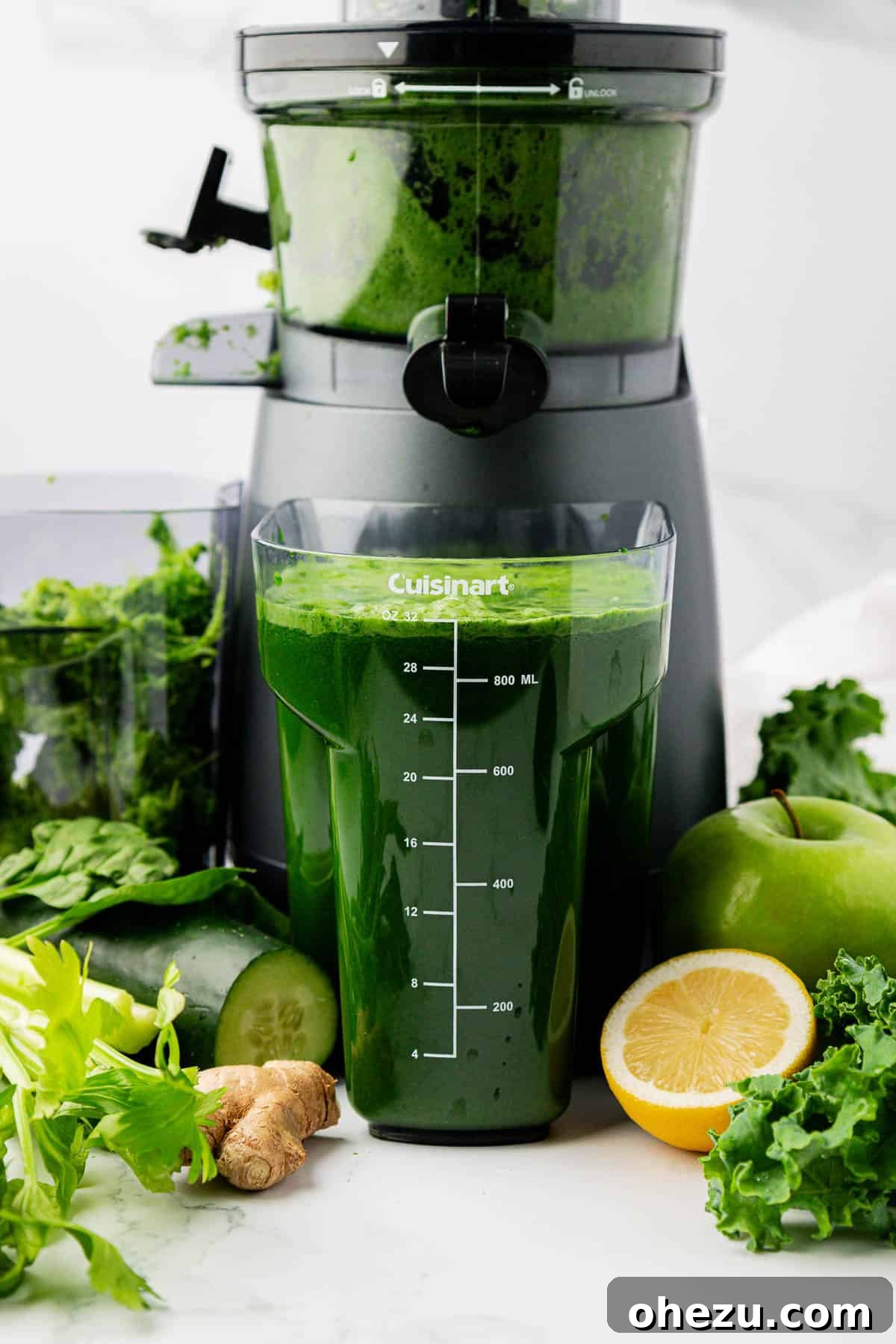
Many green juice recipes can be intimidating due to their intense “green” flavor. However, this particular recipe is carefully balanced to be incredibly palatable, even for those new to juicing. The key lies in the thoughtful combination of sweet green apples and tangy lemon, which naturally temper the earthiness of the greens without overpowering the nutritional integrity of the drink. This balance makes it remarkably refreshing and enjoyable, ensuring you’ll actually crave it rather than just tolerate it.
The Incredible Health Benefits of Drinking Green Juice
Regularly consuming green juice can offer a myriad of health advantages:
- Detoxification Support: Ingredients like kale, spinach, and celery are rich in chlorophyll, which aids in cleansing the blood and liver.
- Immune System Boost: Packed with Vitamin C from lemon and various antioxidants, this juice strengthens your body’s defenses. Ginger also contributes significant anti-inflammatory and immune-boosting properties.
- Enhanced Digestion: The natural enzymes present in fresh produce can support a healthy digestive system. While juicing removes fiber, the concentrated nutrients are easily absorbed.
- Increased Energy Levels: A surge of easily absorbed vitamins and minerals can provide a sustained energy boost, helping you feel more alert and less sluggish.
- Skin Radiance: The abundance of antioxidants and vitamins promotes healthy, glowing skin from within.
- Hydration: Fresh juices are naturally hydrating, contributing to overall bodily functions and well-being.
- Nutrient Absorption: Juicing extracts the liquid gold from produce, making vitamins, minerals, and enzymes more readily available for your body to absorb compared to eating raw vegetables, which require more digestive effort.
Essential Ingredients for Your Perfect Green Juice
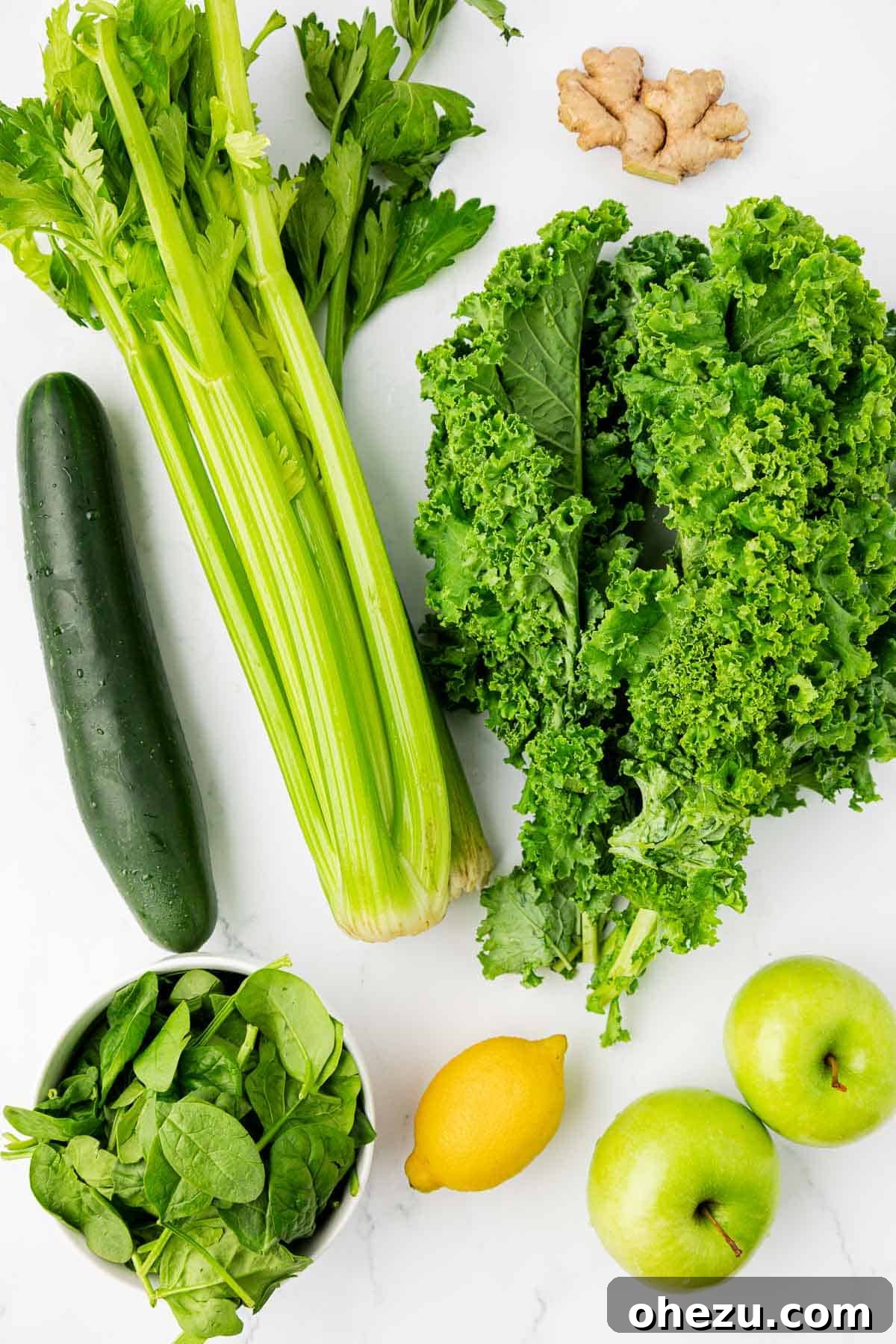
Gathering fresh, high-quality ingredients is the first step to crafting an exceptional green juice. Here’s what you’ll need and how to prepare each component to maximize flavor and nutrient extraction:
- 1 bunch of kale: Choose organic if possible. Wash thoroughly under cold water and remove the tough stems, as these can add bitterness and are harder for some juicers to process. Kale is a powerhouse of Vitamins K, A, and C, and a good source of iron.
- 1 large lemon: Peel the lemon entirely. While the peel contains beneficial compounds, it can be very strong and bitter in juice. The pulp offers a bright, tangy flavor and a significant dose of Vitamin C.
- 6 stalks of celery: Wash each stalk meticulously. Celery is known for its hydrating properties and mild flavor, which blends well with other greens. It’s also a great source of Vitamin K and potassium.
- 1 large cucumber: Peel the cucumber if you prefer a smoother juice or if your juicer struggles with thick skins. Cucumbers provide excellent hydration and a refreshing, subtle taste.
- 2 cups baby spinach: Wash thoroughly. Baby spinach is milder in flavor than mature spinach and packed with iron, Vitamin K, and Vitamin A.
- 2 green apples (e.g., Granny Smith): Wash and core the apples. It’s crucial to remove the seeds, which contain amygdalin and can be toxic if consumed in large quantities. Green apples add natural sweetness and balance to the juice, making it more palatable. They also provide fiber and Vitamin C.
- 1-inch piece of ginger: Peel the skin using a spoon or peeler. Ginger adds a wonderful spicy kick and is renowned for its anti-inflammatory and digestive benefits.
How to Master the Art of Making Green Juice
Creating your own fresh green juice is a simple process, but a few tips can enhance both the experience and the final product.
Step 1: Meticulous Preparation of Your Produce
Begin by washing all your fruits and vegetables thoroughly. For apples, remember to core them completely to avoid consuming apple seeds. I’ve personally found that lemon peel can be quite robust and impart a very strong, sometimes bitter, flavor to the juice, so I always peel my lemons before sending them through the juicer. This ensures a smoother, more palatable citrus note.
Joy’s Top Tip for Cucumber Prep
While peeling your cucumber is entirely optional, I’ve observed that my juicer operates more efficiently without the thick skin. If you have a powerful juicer, feel free to leave the skin on for extra nutrients, but if you notice your juicer struggling, or prefer a silkier texture, peeling is recommended.
The green apples and lemon in this recipe play a crucial role in balancing the overall flavor profile. They help to “tame” the sometimes-intense taste of the leafy greens, preventing the juice from being overly earthy or overpowering. This balance is especially beneficial if you’re just starting your juicing journey, as it provides a delicious and gentle introduction to the flavors of fresh vegetable juice. I wholeheartedly recommend this recipe for beginners!
If you ever find the flavor of any juice recipe to be too strong for your palate, a simple adjustment is to add an extra green apple. The additional sweetness will naturally mellow the intensity, allowing your taste buds to gradually adjust to the rich flavors of vegetable-based juices.
Step 2: The Juicing Process & Immediate Enjoyment
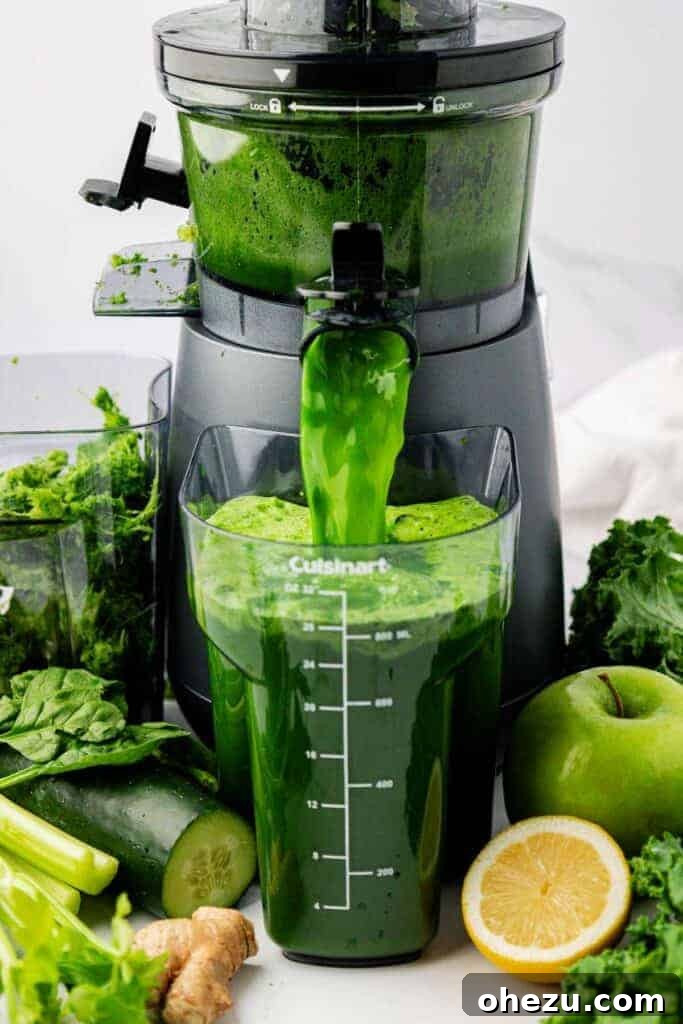
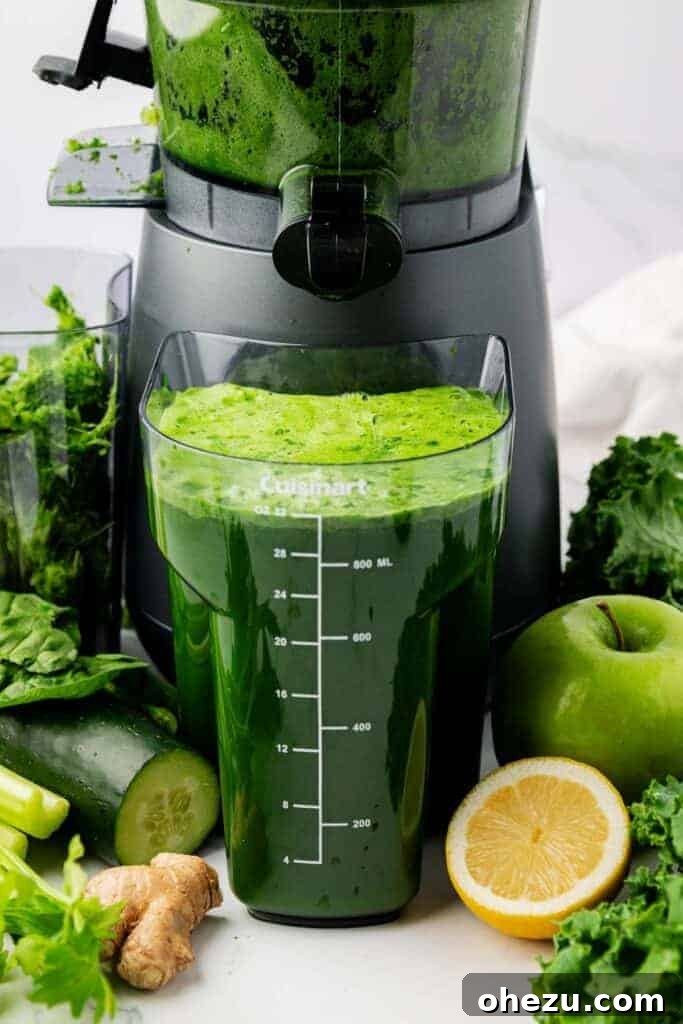
Once all your ingredients are prepped, it’s time to run them through your juicer. Feed the ingredients slowly and steadily, alternating between harder and softer produce to ensure optimal juice extraction. Serve your vibrant green juice immediately to enjoy it at its peak freshness and nutrient density, or prepare it for proper storage.
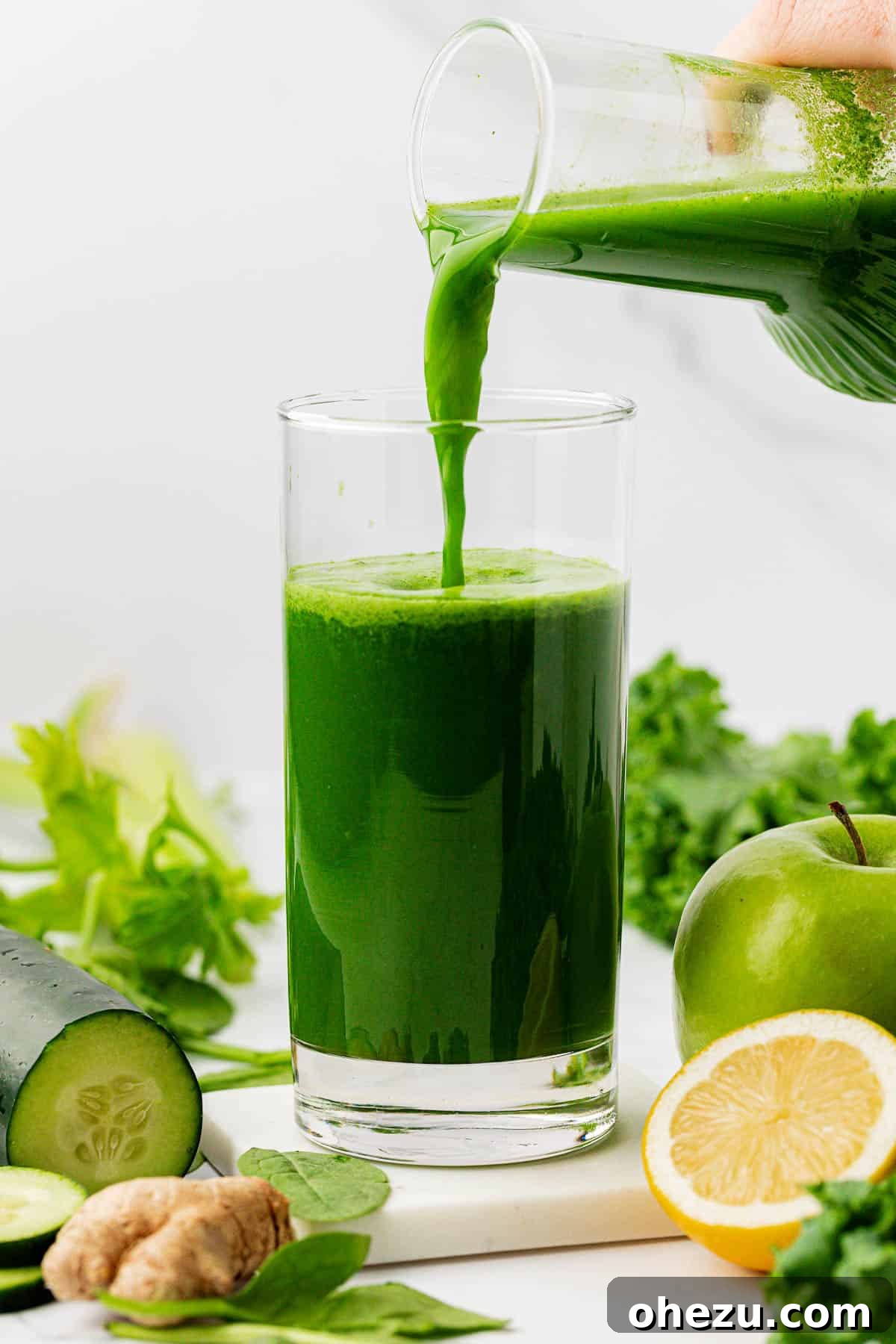
This recipe is truly fantastic for anyone new to the world of juicing. It strikes the perfect balance of flavor and nutrition, making it an approachable and enjoyable way to introduce more fruits and vegetables into your daily routine. If you’re committed to making a significant difference in your health and vitality in a small amount of time, this green juice is a powerful step in the right direction.
Decoding the Nutrition: How Many Calories Are in a Cup of Green Juice?
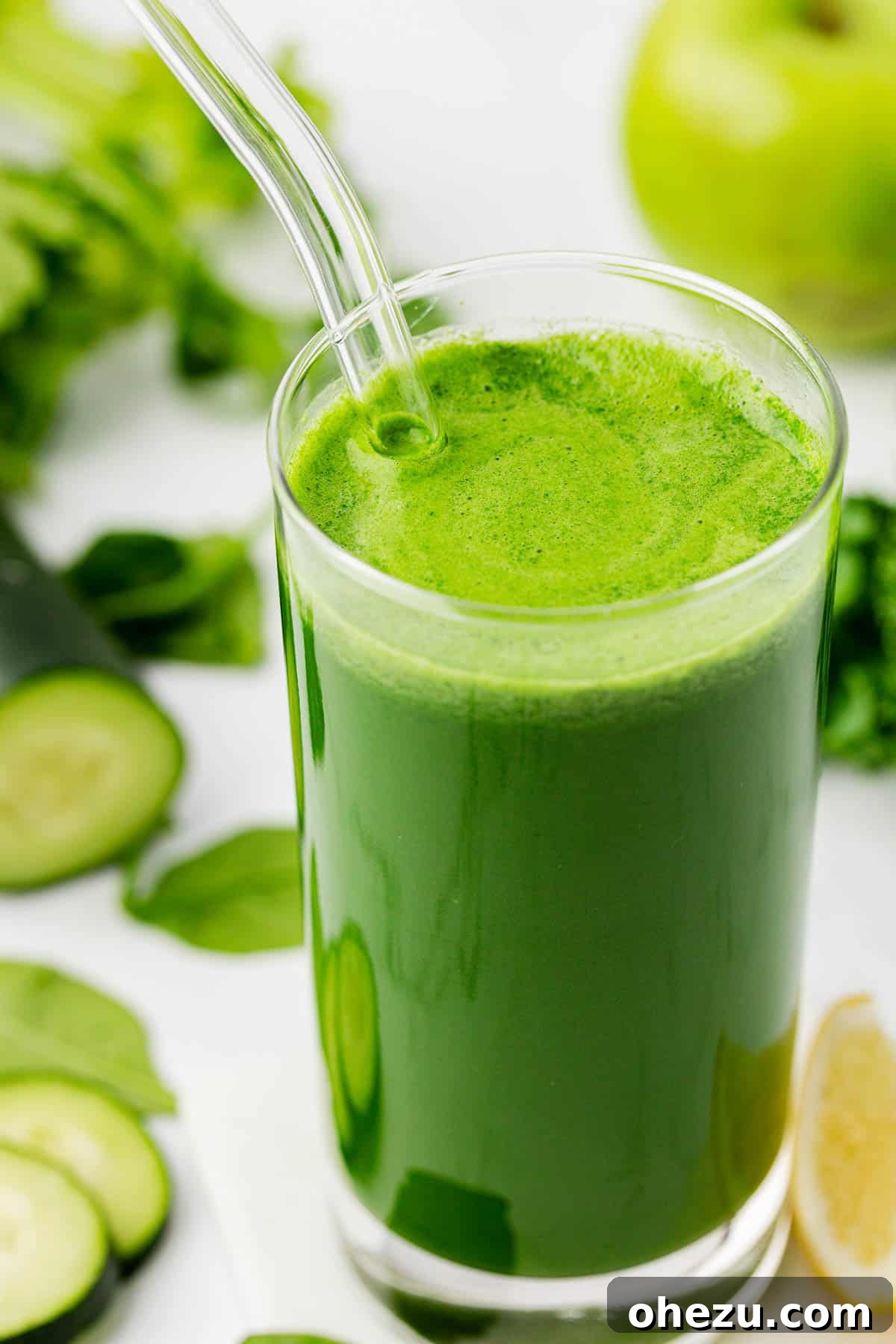
The exact caloric content of green juice can vary based on the precise ripeness and size of your produce, as well as the specific ingredients used. However, a typical serving of this green juice recipe, roughly one cup (8oz), contains approximately 88 calories. This makes it a low-calorie, nutrient-dense beverage that supports your health goals without adding excessive calories.
Sustainable Practices: What to Do with Leftover Juicing Pulp
After the juicing process, you’ll be left with a quantity of pulp. While I often dispose of it, there are many creative and sustainable ways to utilize this fibrous byproduct, minimizing waste and maximizing the value of your produce. Here are some fantastic ideas for using leftover juice pulp if you’re feeling adventurous! You can incorporate it into baked goods like muffins or crackers, add it to vegetable broth, or even mix it into compost to enrich your garden soil. Composting is an excellent eco-friendly option.
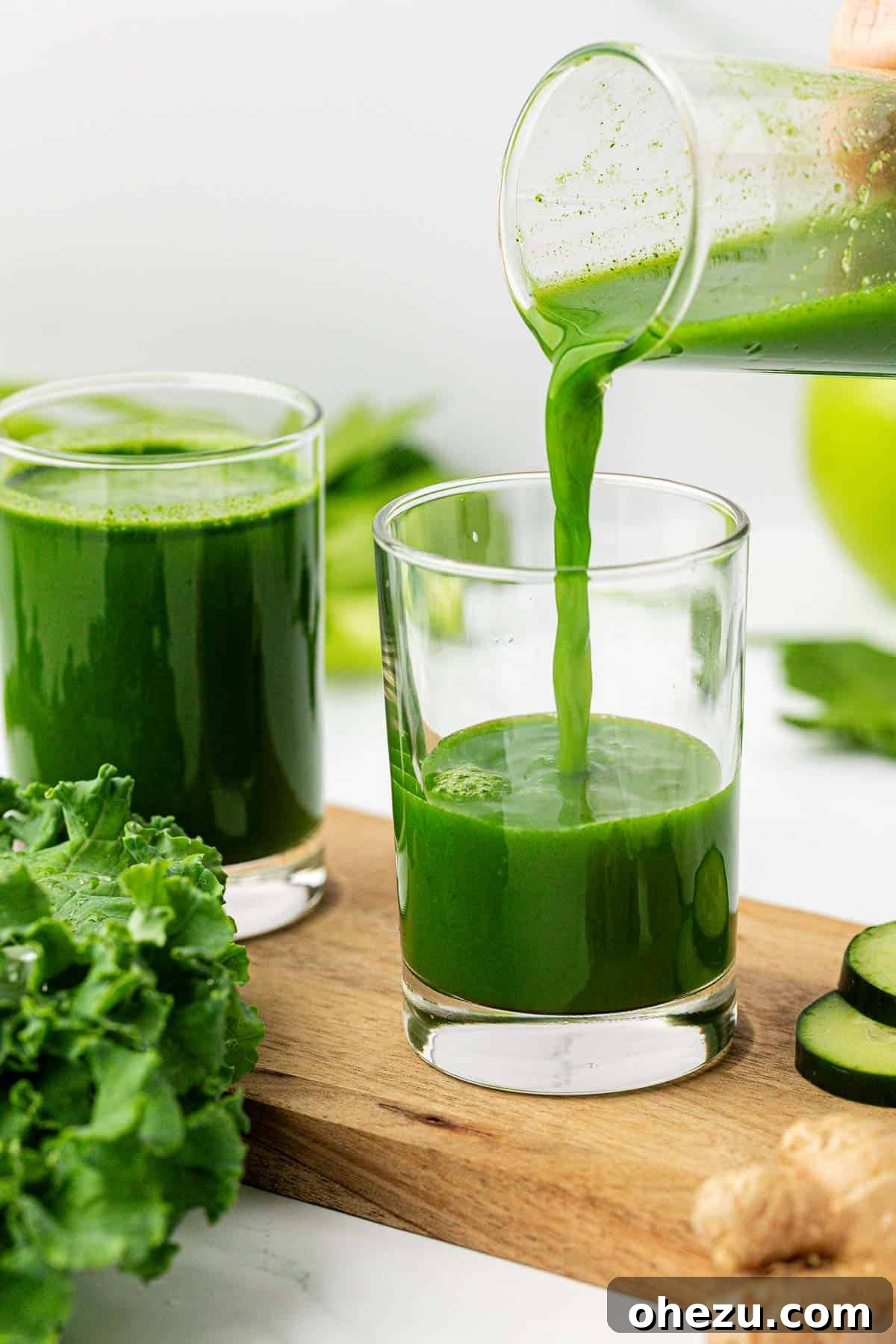
The Great Debate: Is Juicing or Blending Better for You?
This question sparks a considerable debate among health enthusiasts, primarily because juicing separates the liquid nutrients from the insoluble fiber. Both juicing and blending offer distinct advantages, and the “better” option often depends on individual health goals and preferences.
- Juicing: By removing the fiber, juicing provides a highly concentrated dose of vitamins, minerals, and enzymes that are readily absorbed into the bloodstream. This rapid absorption is excellent for a quick nutrient boost and can be beneficial for individuals with sensitive digestive systems who might struggle with high fiber intake. For me, juicing enables me to consume a far greater volume of fruits and vegetables than I could ever eat raw, making it an efficient way to supercharge my nutrient intake.
- Blending: Blending, on the other hand, keeps all the fiber intact. This is beneficial for digestive health, promoting satiety, and regulating blood sugar levels. Smoothies (blended drinks) are essentially whole foods in liquid form, providing a complete nutritional profile that includes both soluble and insoluble fiber.
Ultimately, the choice between juicing and blending comes down to personal needs. If your goal is maximum nutrient absorption and consuming a large quantity of produce quickly, juicing is fantastic. If you prioritize fiber intake, satiety, and slower nutrient release, blending is the way to go. Why not enjoy both? This green juice is absolutely delicious, and I would never realistically sit down and eat all the ingredients in one sitting. But if I can drink it and it tastes this good, then it’s a wonderful addition to my healthy lifestyle!
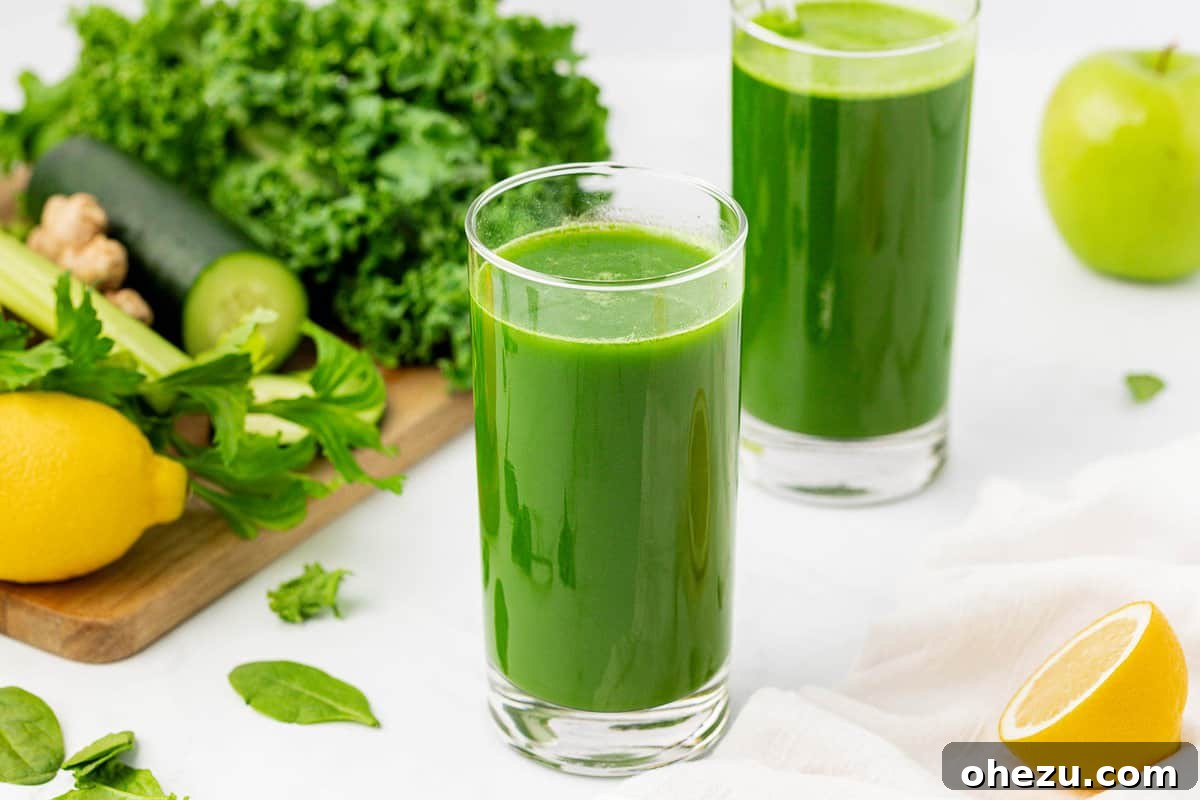
This green juice recipe is particularly well-suited for individuals who are still developing a fondness for the taste of vegetable juice. The ingenious inclusion of fresh lemon and crisp green apple imparts a delightful sweetness and refreshing tang that will not only make the juice palatable but will have you eagerly anticipating your next glass. It truly transforms the experience of drinking your greens into a craveable, enjoyable ritual!
Optimal Storage for Maximum Freshness
While freshly made juice offers the highest concentration of live enzymes and nutrients, life often requires us to prepare ahead. It’s undeniably best to consume your green juice immediately after making it. However, I frequently prepare extra portions for the next day or store leftovers to ensure I don’t miss my daily dose of goodness. To maintain as much freshness as possible, follow these guidelines:
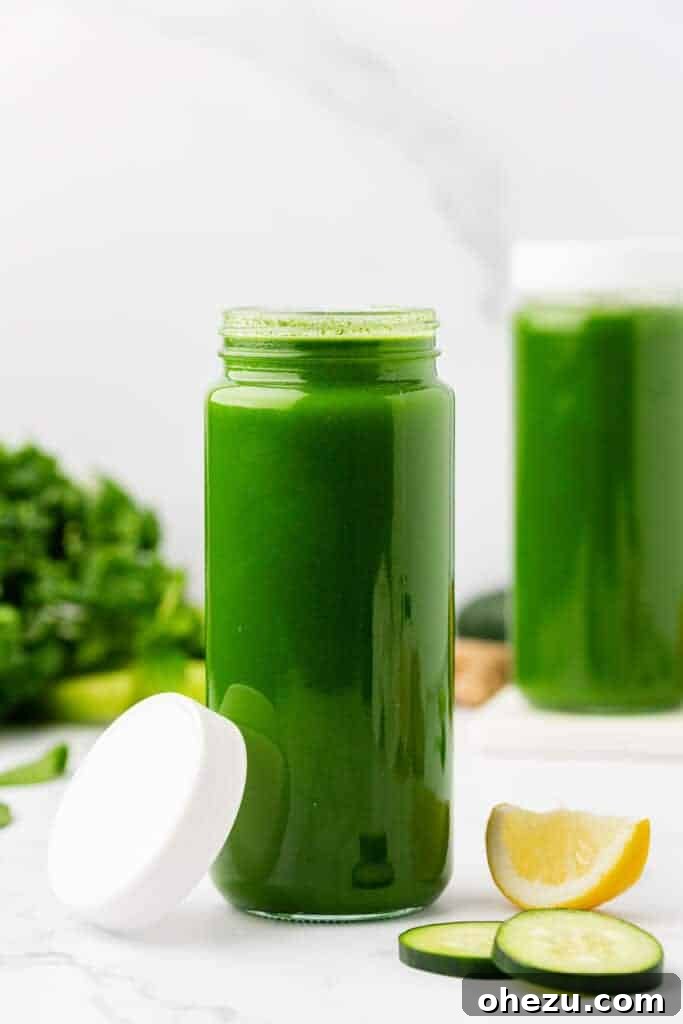
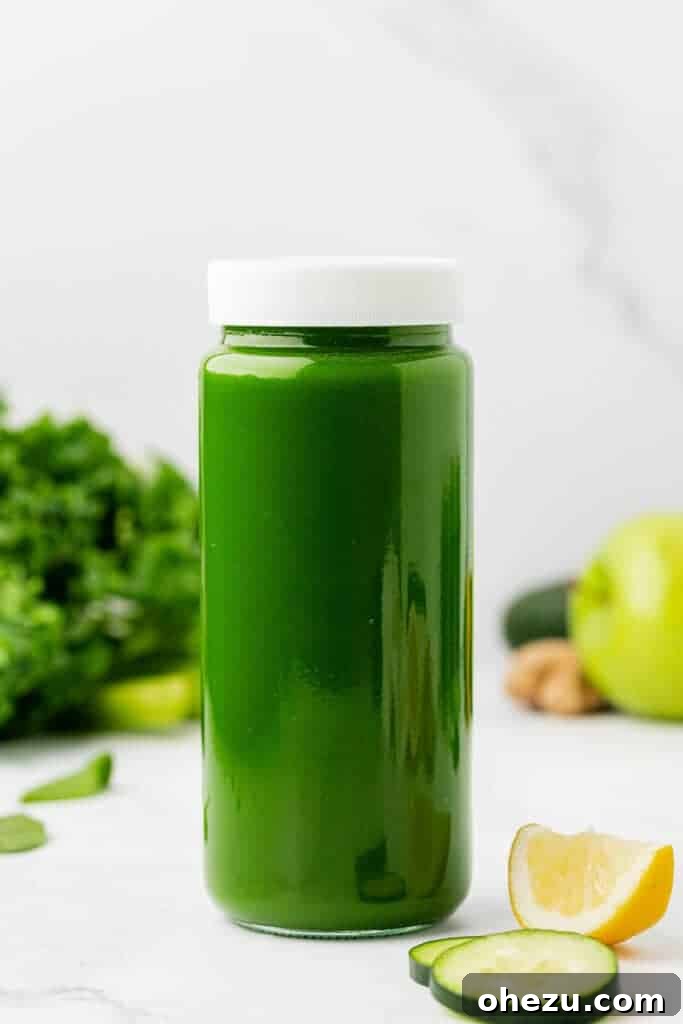
- This green juice can be stored in a glass bottle or jar with an airtight lid in the refrigerator for up to 24 hours. Beyond this timeframe, nutritional value and flavor can diminish significantly due to oxidation.
- To minimize oxidation, fill your storage container to the very brim before securing the lid. This reduces the amount of air exposure, which is the primary culprit in nutrient degradation.
- I keep a variety of airtight glass jars (4 oz, 8 oz, and 16 oz) on hand, allowing me to store different portion sizes efficiently. Choose the smallest jar that will fit your juice to further reduce air space.
Explore More Vibrant Juicing Recipes
If you’ve fallen in love with the refreshing taste and incredible benefits of this green juice, you’re in for a treat! There’s a vast world of juicing recipes waiting to be discovered, each offering unique flavors and nutritional profiles. Expand your juicing repertoire with these other delicious and healthy options:
- Cooling Cucumber Juice: Perfect for hydration and a subtle, refreshing taste.
- Power-Packed Spinach Juice: A fantastic source of iron and vitamins for an energy boost.
- Sweet Green Apple Juice: A simple, naturally sweet juice that’s great on its own or as a base.
- Immunity Shots: Concentrated boosts designed to fortify your immune system.
- Bright Carrot Orange Juice: A sunshine-colored juice bursting with Vitamin C and beta-carotene.
- Nutrient-Dense Kale Juice: For those who love the deep green goodness of kale.
- Garden Fresh Vegetable Juice: A versatile recipe combining various garden favorites.
- Classic Carrot Juice: Sweet and rich in Vitamin A, excellent for vision and skin health.
- Hydrating Celery Juice Recipe: Known for its amazing detox and anti-inflammatory properties.
- Tropical Pineapple Cucumber Juice: A sweet and refreshing blend with a tropical twist.
Each of these recipes offers a unique way to incorporate more whole foods into your diet and experience the myriad benefits of fresh, homemade juices. Don’t hesitate to experiment and find your new favorites!
Green Juice Recipe
Print Recipe
Ingredients
- 1 bunch of kale, washed and stems removed
- 1 lemon, peeled and quartered
- 6 stalks of celery, washed
- 1 large cucumber, peeled and cut into long strips
- 2 cups baby spinach
- 2 green apples, cored and sliced
- 1 inch piece of ginger, peeled
Instructions
- Wash and meticulously prepare all the fruits and vegetables as instructed in the guide above. Ensure apples are cored and lemons/ginger are peeled.
- Carefully feed all the prepared ingredients through your juicer, collecting the fresh juice in a pitcher or glass.
- Serve the green juice immediately for optimal freshness and nutrient retention, or store any leftover juice in an airtight glass container in the refrigerator for up to 24 hours.
Nutrition Information
Calories: 150kcal,
Carbohydrates: 37g,
Protein: 4g,
Fat: 1g,
Saturated Fat: 0.2g,
Polyunsaturated Fat: 0.4g,
Monounsaturated Fat: 0.1g,
Sodium: 55mg,
Potassium: 786mg,
Fiber: 9g,
Sugar: 23g,
Vitamin A: 5932IU,
Vitamin C: 77mg,
Calcium: 153mg,
Iron: 2mg
Enjoyed this recipe? Share your thoughts below!
Your feedback helps others discover great recipes.