
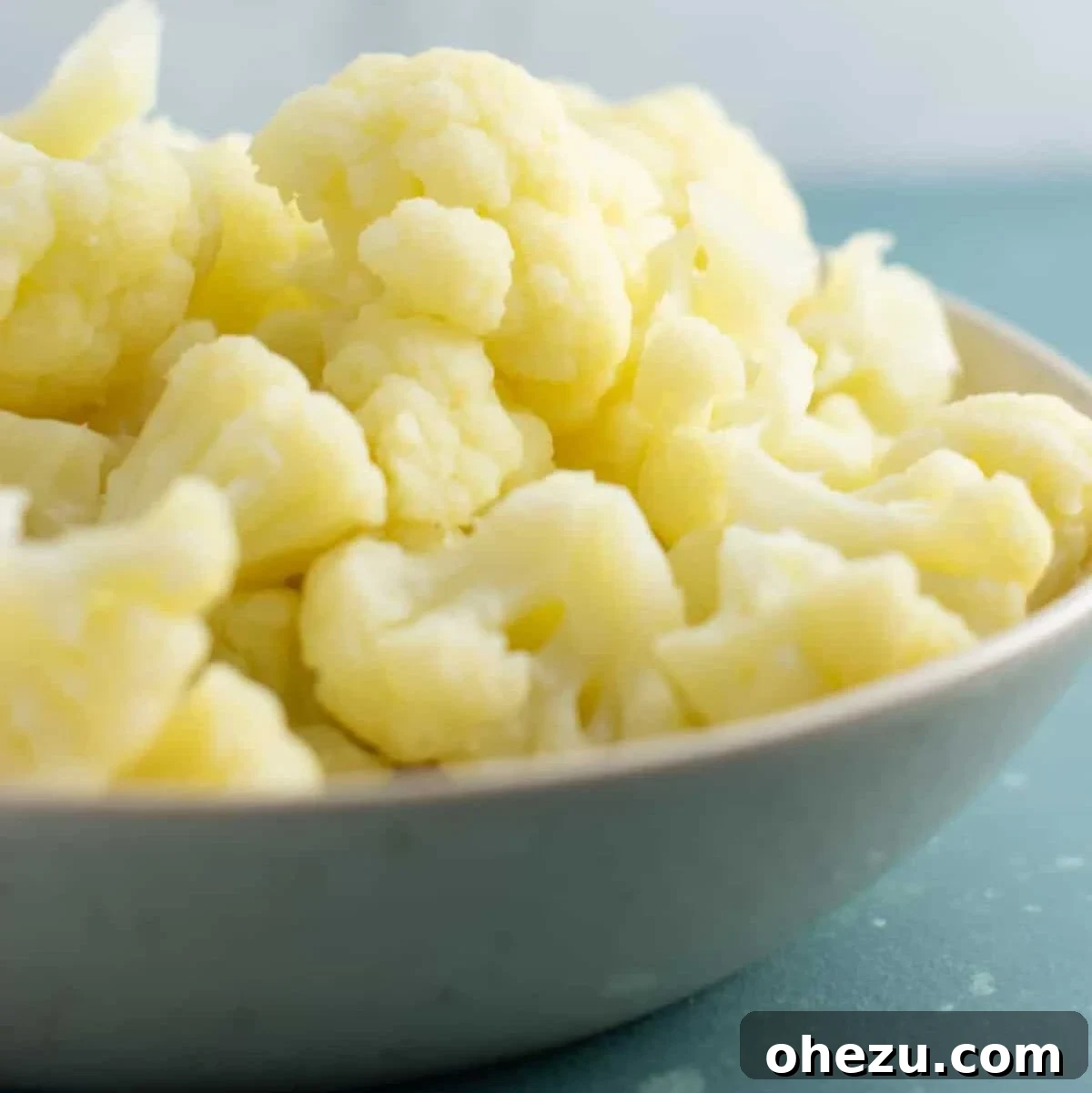
Discover the easiest way to steam cauliflower perfectly without a dedicated steamer! This simple method yields tender, versatile florets ideal for countless healthy and delicious recipes.
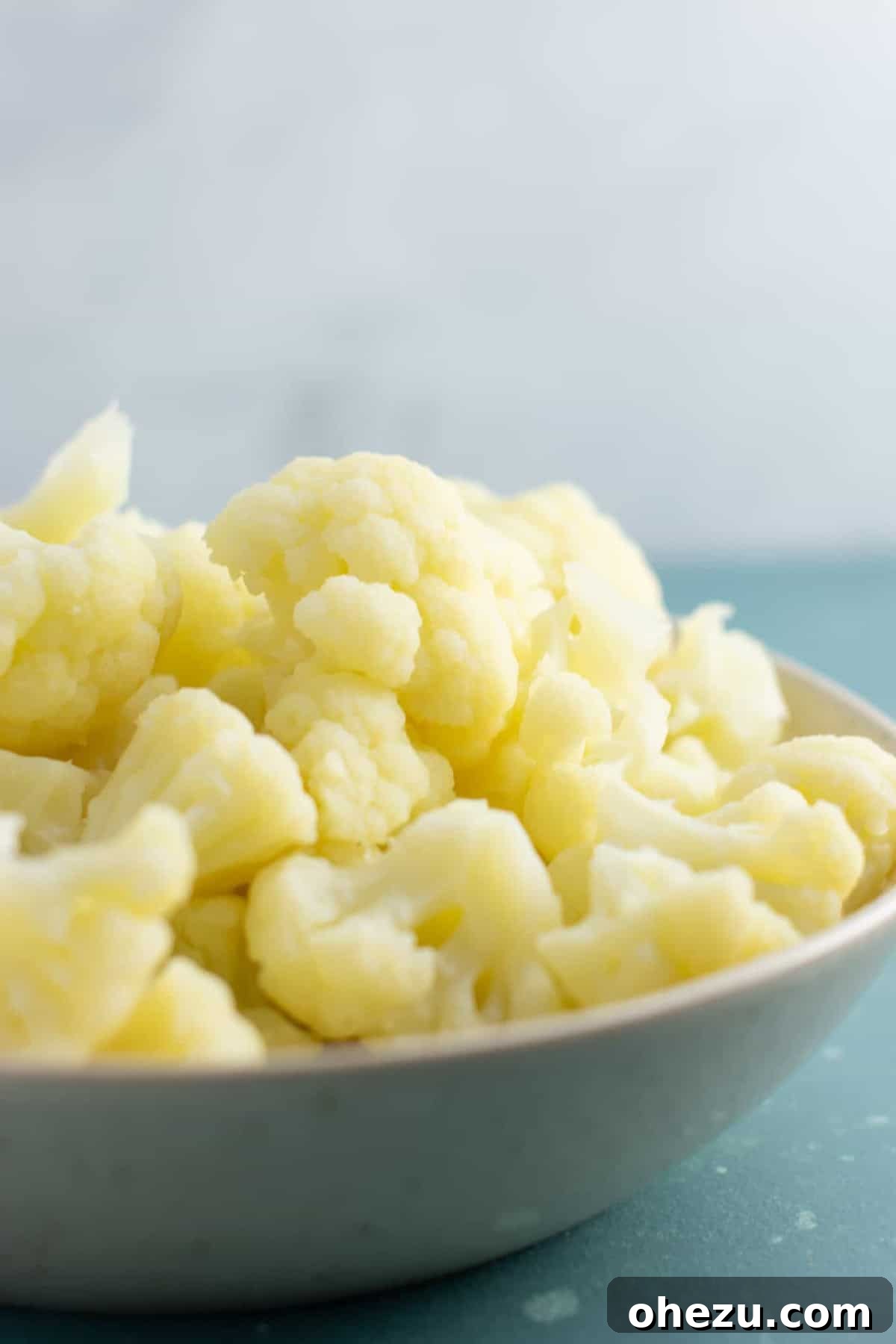
Cauliflower is a nutritional powerhouse, packed with vitamins, minerals, and fiber. While there are many ways to prepare this cruciferous vegetable, steaming remains one of the best for preserving its nutrients, flavor, and delightful texture. It’s also incredibly versatile, serving as a blank canvas for a myriad of culinary creations. From light side dishes to creamy sauces, healthy rice alternatives, and hearty pasta bakes, perfectly steamed cauliflower forms the foundation of many wholesome meals.
Many home cooks might think a special steaming basket or electric steamer is essential for achieving tender cauliflower. However, I’m thrilled to share a hassle-free method that uses everyday kitchen equipment you likely already own. Forget about bulky appliances that take up precious counter space and are a pain to clean. This guide will walk you through steaming flawless cauliflower using just a pot, a colander, and a lid – no specialty steamer required!
Whether you prefer your cauliflower crisp-tender with a slight bite or melt-in-your-mouth soft for purees and sauces, this technique offers precise control to achieve your desired consistency every time. Let’s dive into mastering the art of simple, effective cauliflower steaming.
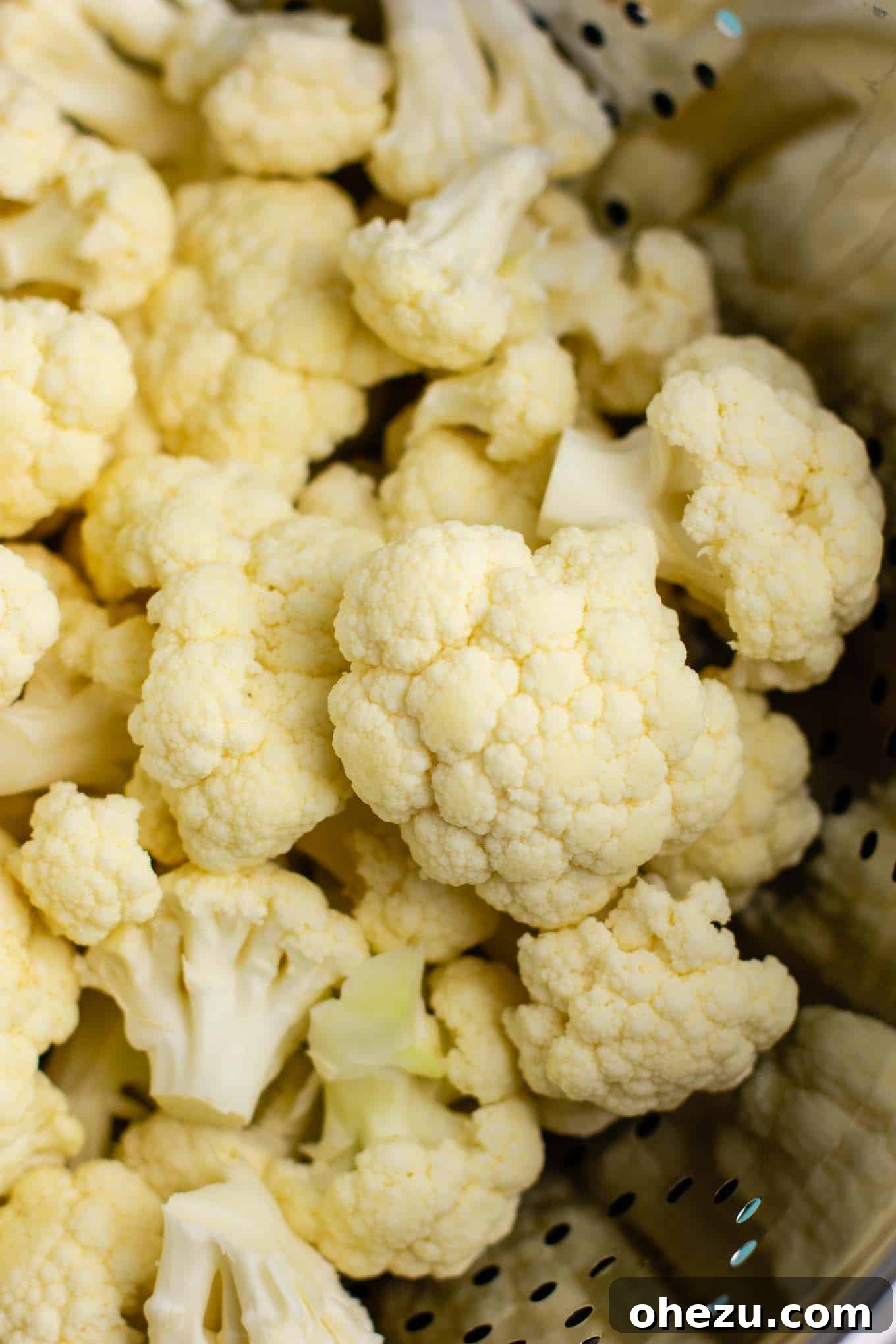
How to Steam Cauliflower: The Easy “No-Steamer” Method
Steaming cauliflower is a straightforward process, and with my simple approach, you’ll wonder why you ever considered buying a dedicated steamer. Here’s a detailed, step-by-step guide to get you started:
1. Gather Your Essential Equipment
Before you begin, ensure you have these common kitchen tools:
- A Medium to Large Pot: Choose a pot similar in size to what you’d use for cooking spaghetti or a batch of soup. It needs to be spacious enough to comfortably hold your colander.
- A Metal Colander or Strainer: This is your “steamer basket.” Crucially, it must fit snugly inside your chosen pot, allowing several inches of space between its bottom and the bottom of the pot. This gap is vital for the water to sit without touching the cauliflower.
- A Well-Fitting Lid: The lid is essential for trapping the steam, which is what cooks your cauliflower efficiently. Make sure it creates a good seal over the pot and colander setup.
This simple setup proves that sophisticated gadgets aren’t always necessary for excellent results. In fact, many people find this method more convenient and easier to clean than a traditional steamer.
2. Prepare Your Cauliflower Florets
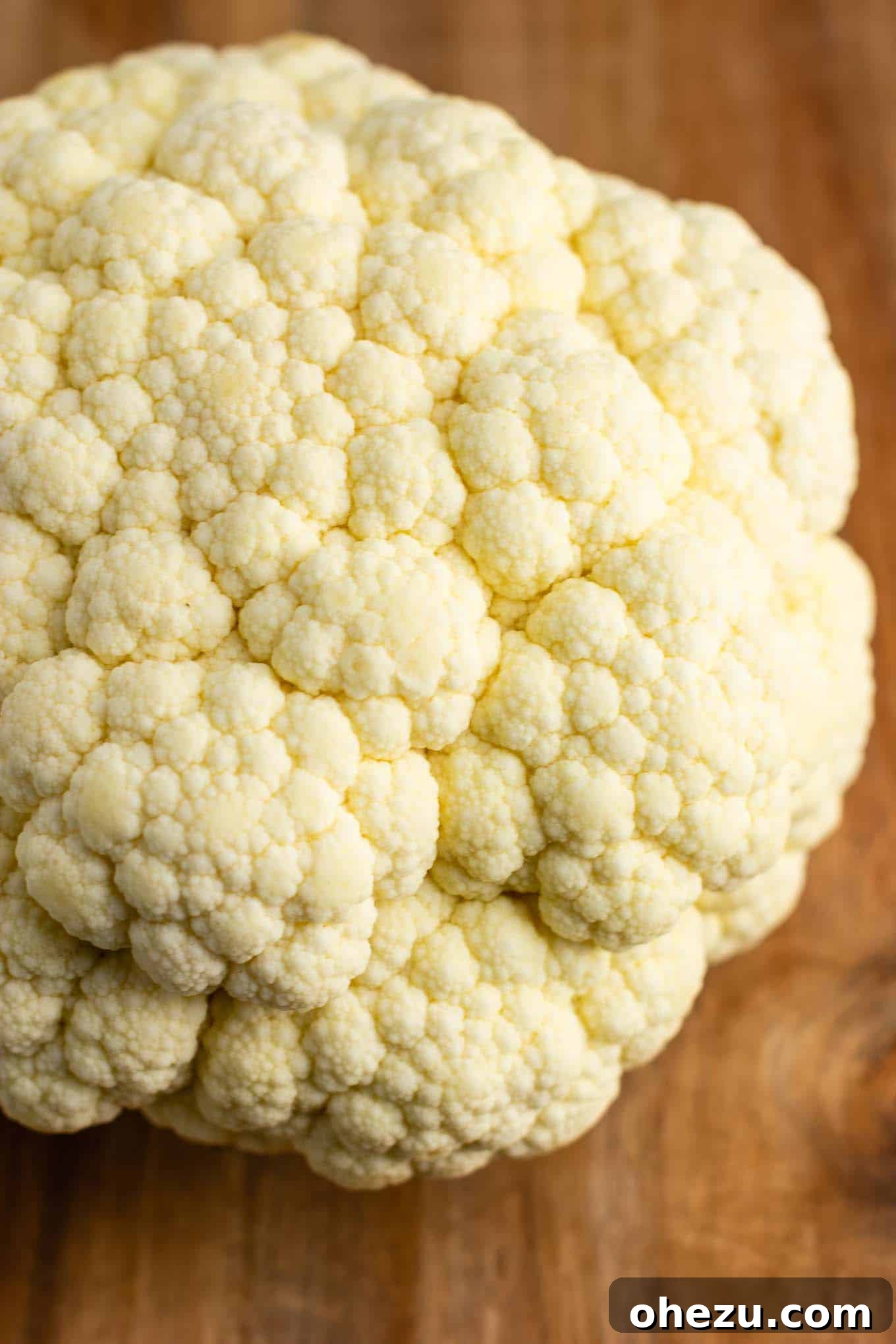
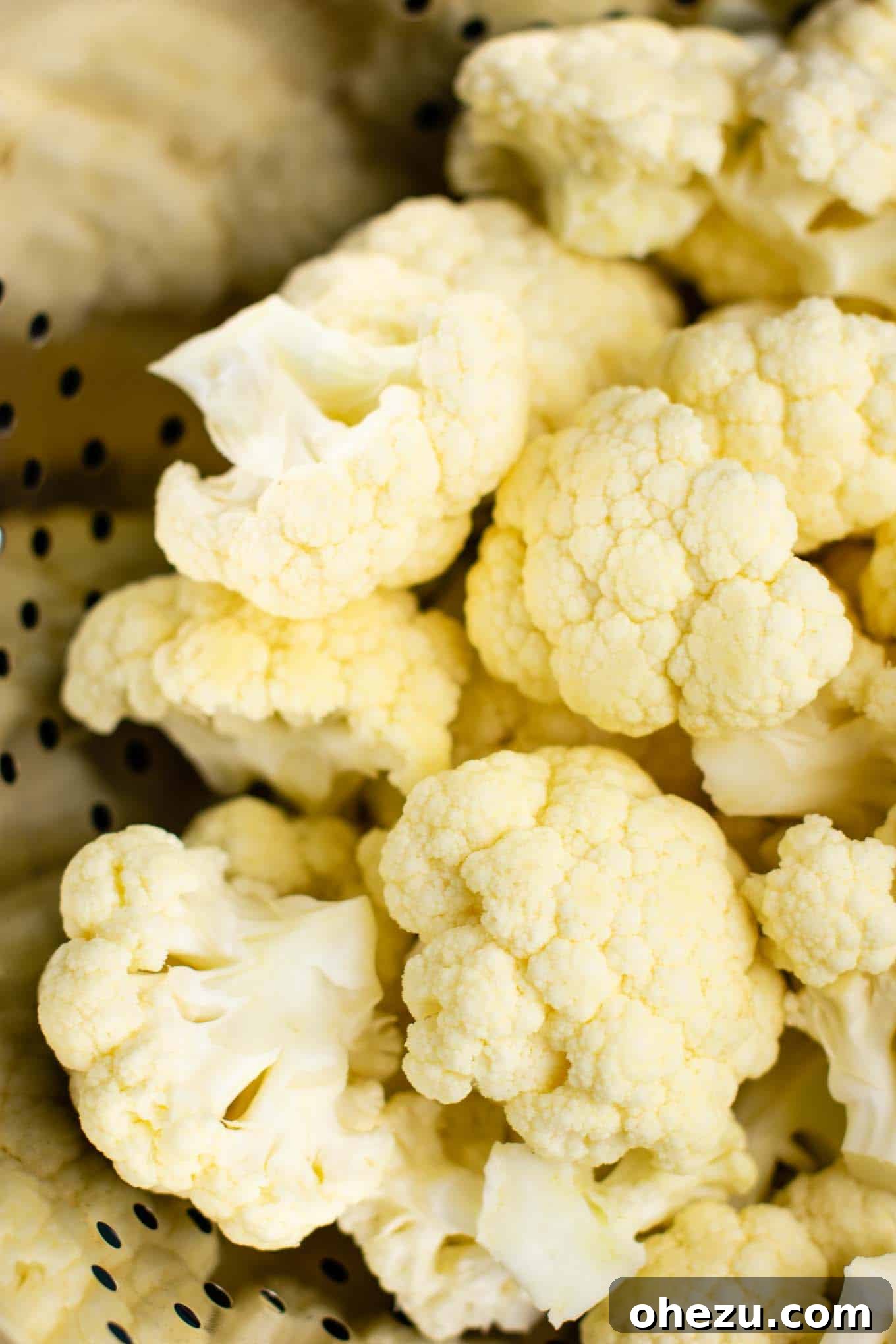
Start with a fresh head of cauliflower. Rinse it under cold water to clean off any dirt. Then, carefully cut it into individual florets. Aim for florets that are roughly uniform in size, typically 1 to 2 inches. This ensures even cooking, so you don’t end up with some pieces that are too soft and others that are still crunchy.
Smaller florets will steam faster, while larger ones will take longer. Adjust the size based on your intended use and desired cooking time.
3. Set Up Your Steaming Station
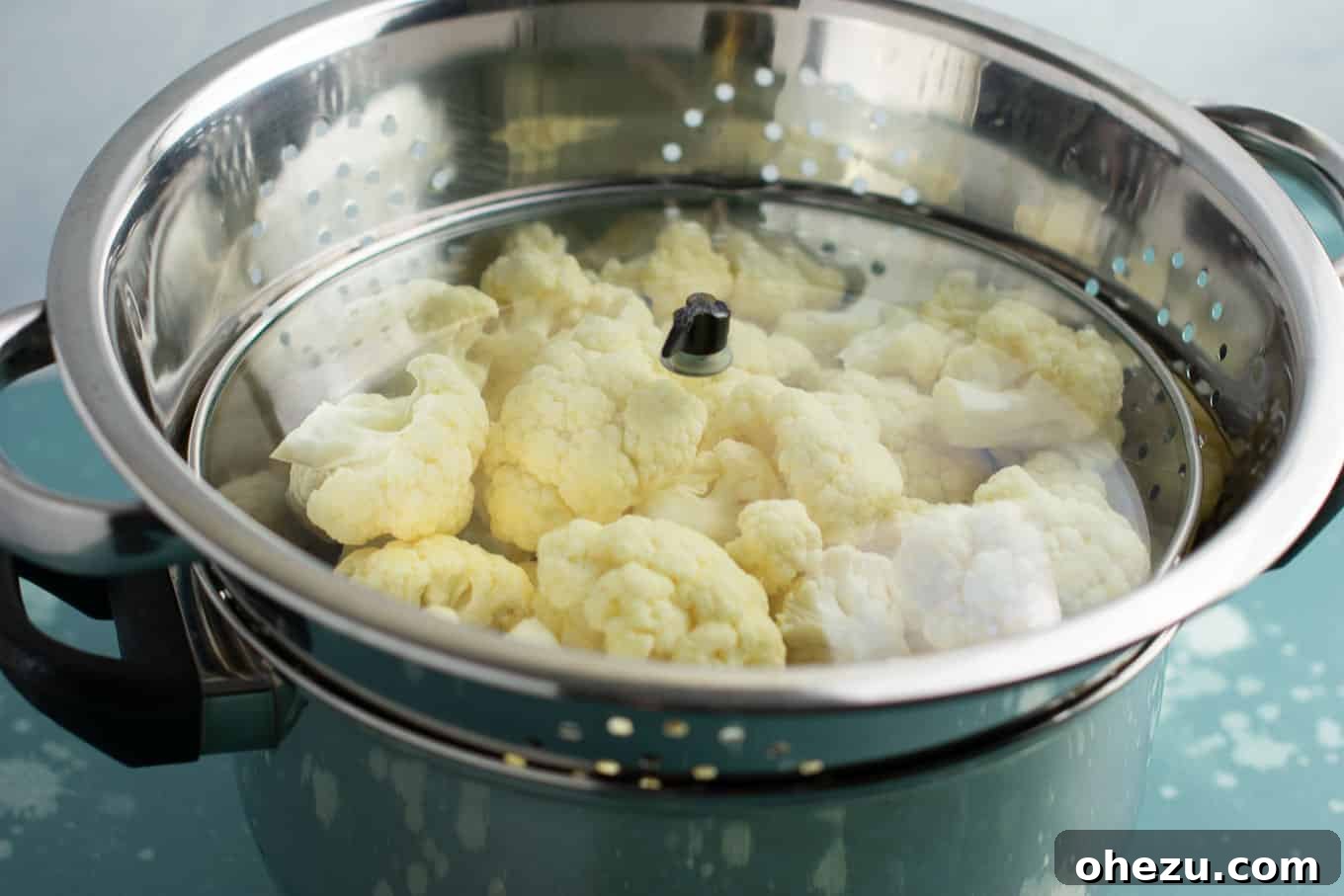
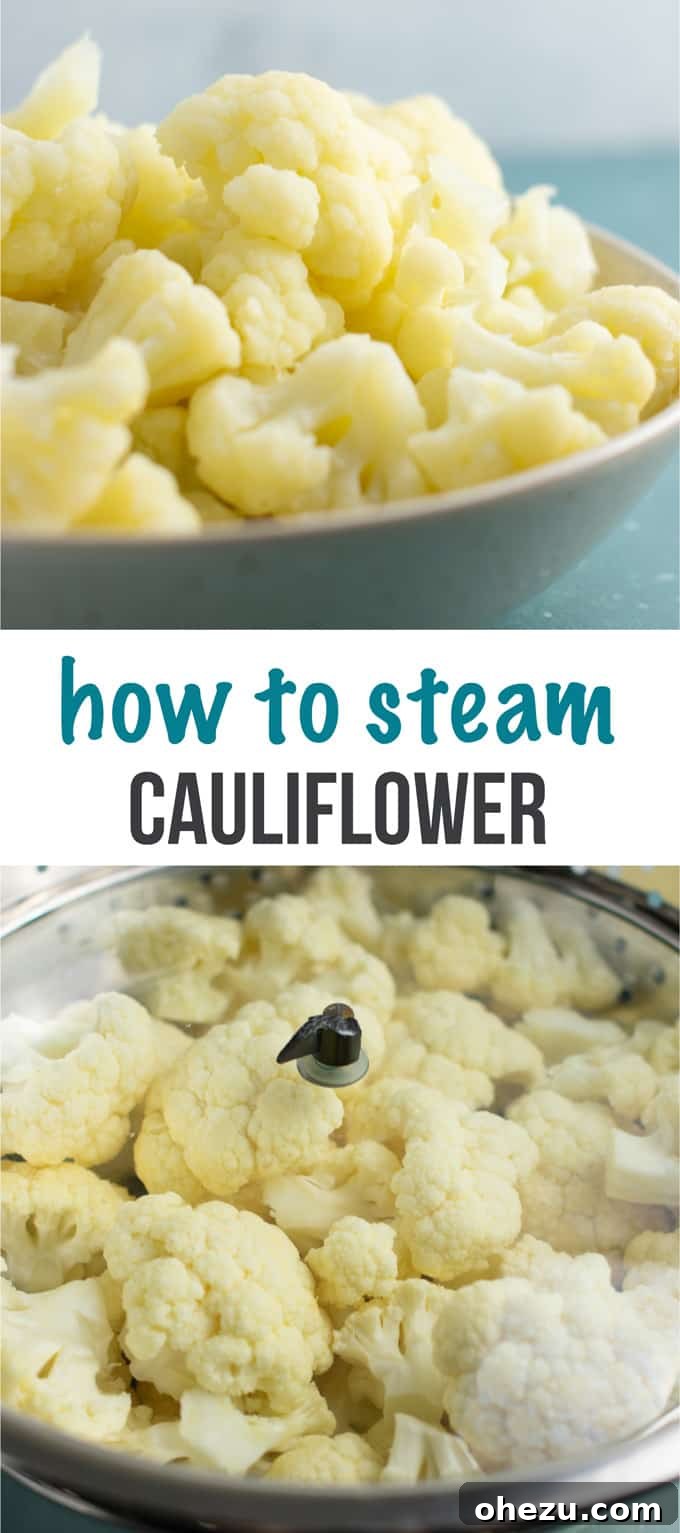
Place your metal colander or strainer into the large pot. Add about 1 to 2 inches of water to the bottom of the pot. It’s crucial that the water level is below the bottom of the colander. The cauliflower should not be submerged in water; it should be elevated above it, allowing the steam to circulate freely around the florets.
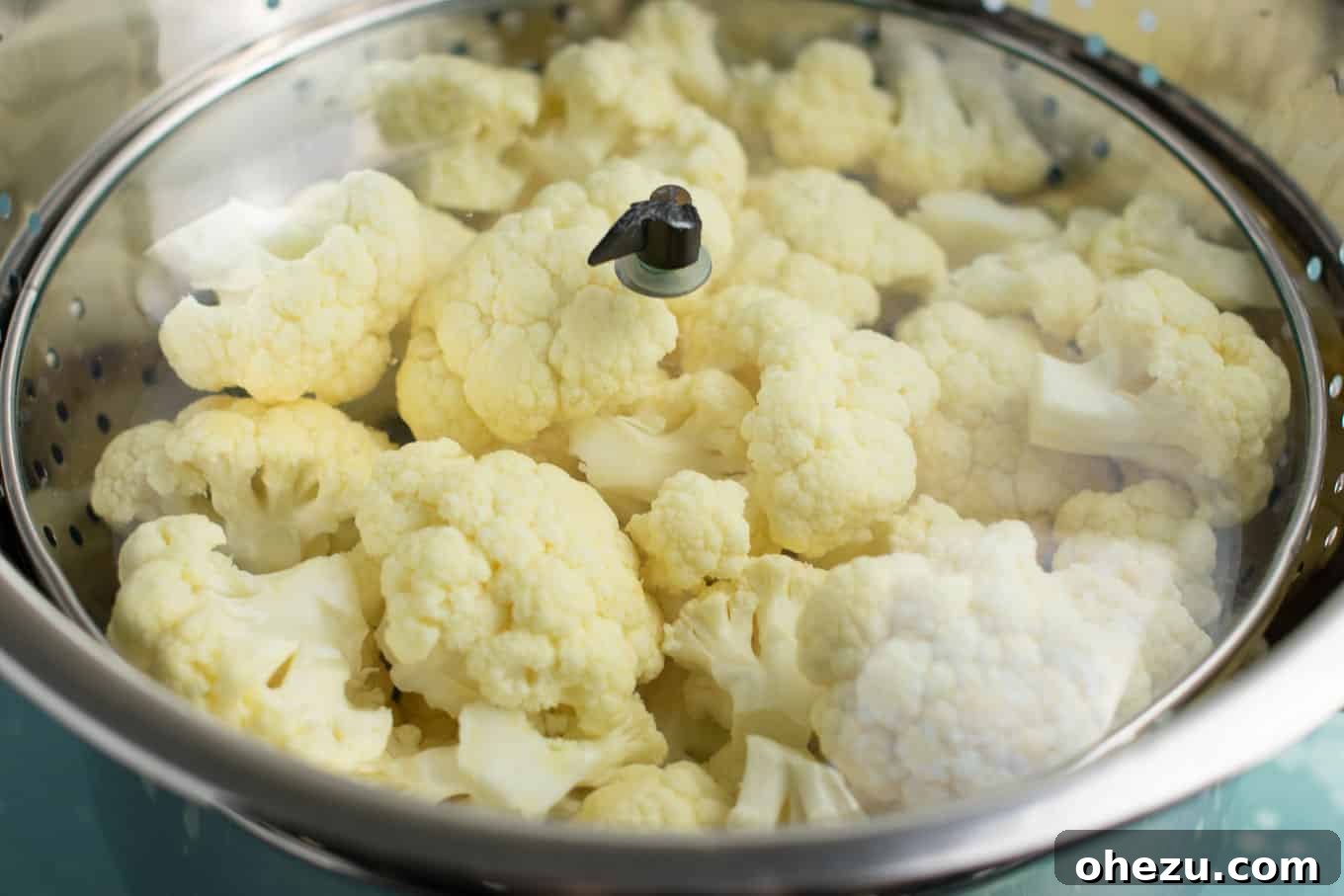
Once your colander is in place and the water added, arrange the raw cauliflower florets inside the colander. Don’t overcrowd the colander; leave a little space for the steam to move through. If you have a very large head of cauliflower, you might need to steam it in batches.
4. Begin the Steaming Process
Place the pot, with the colander and cauliflower inside, over medium-high heat on your stovetop. Crucially, cover the pot tightly with the lid. The lid traps the steam generated by the boiling water, creating a hot, moist environment that gently cooks the cauliflower. Bring the water to a rolling boil, then reduce the heat slightly to maintain a steady, strong simmer.
This method is not only effective but also incredibly practical for everyday cooking. My personal experience with dedicated steamers has often been frustrating—they can be cumbersome to set up, awkward to clean, and often take up too much storage space. This simple pot-and-colander technique delivers superior results with minimal fuss, making healthy eating more accessible.
Critical Tip: Monitor Your Water Levels
The only real watch-out when using this method is ensuring the water in the pot doesn’t completely evaporate. If the water runs dry, your pot could scorch, and the cauliflower will stop steaming properly. To avoid this, check the water level every 5 to 10 minutes. If it appears low, carefully lift the colander slightly and add more hot water to the pot, ensuring it still doesn’t touch the cauliflower. Replenishing hot water helps maintain the cooking temperature and prevents interruptions in the steaming process.
How Long Does it Take to Steam Cauliflower?
The steaming time for cauliflower can vary significantly, typically ranging from 15 to 30 minutes. This duration largely depends on a few factors:
- Floret Size: Smaller florets will cook faster than larger ones.
- Desired Texture: Do you want crisp-tender cauliflower with a slight bite, or do you prefer it very soft, easily mashable, or fork-tender for purees and sauces?
- Amount of Cauliflower: A larger quantity of cauliflower in the colander might slightly extend the cooking time.
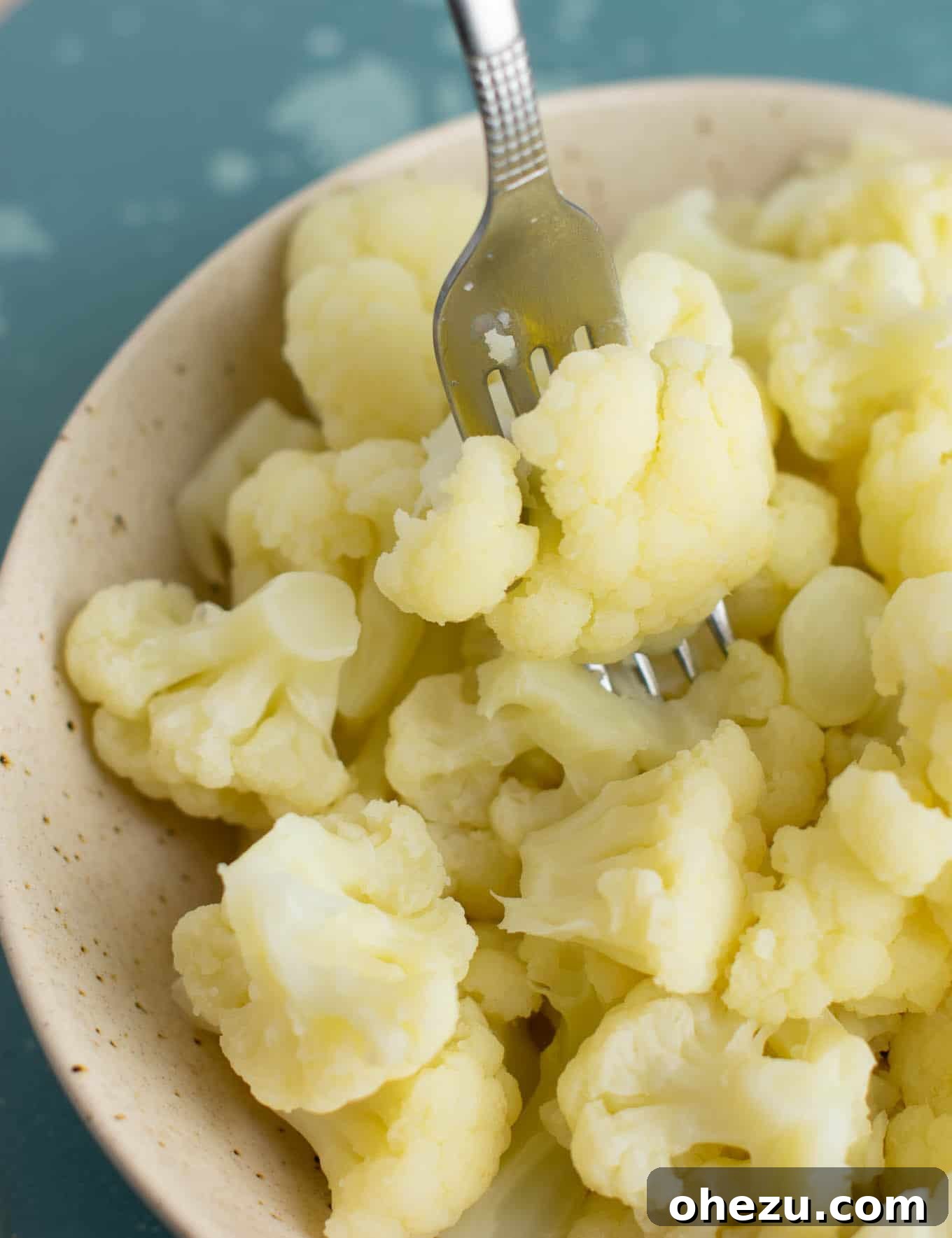
For crisp-tender cauliflower, start checking for doneness after about 10-15 minutes. Use a fork to pierce a floret; if it slides in with a little resistance, it’s ready. If you’re aiming for a softer texture, perhaps for cauliflower rice or a creamy sauce, continue steaming for an additional 10-15 minutes, checking every few minutes until it’s easily pierced and almost falls apart with a fork.
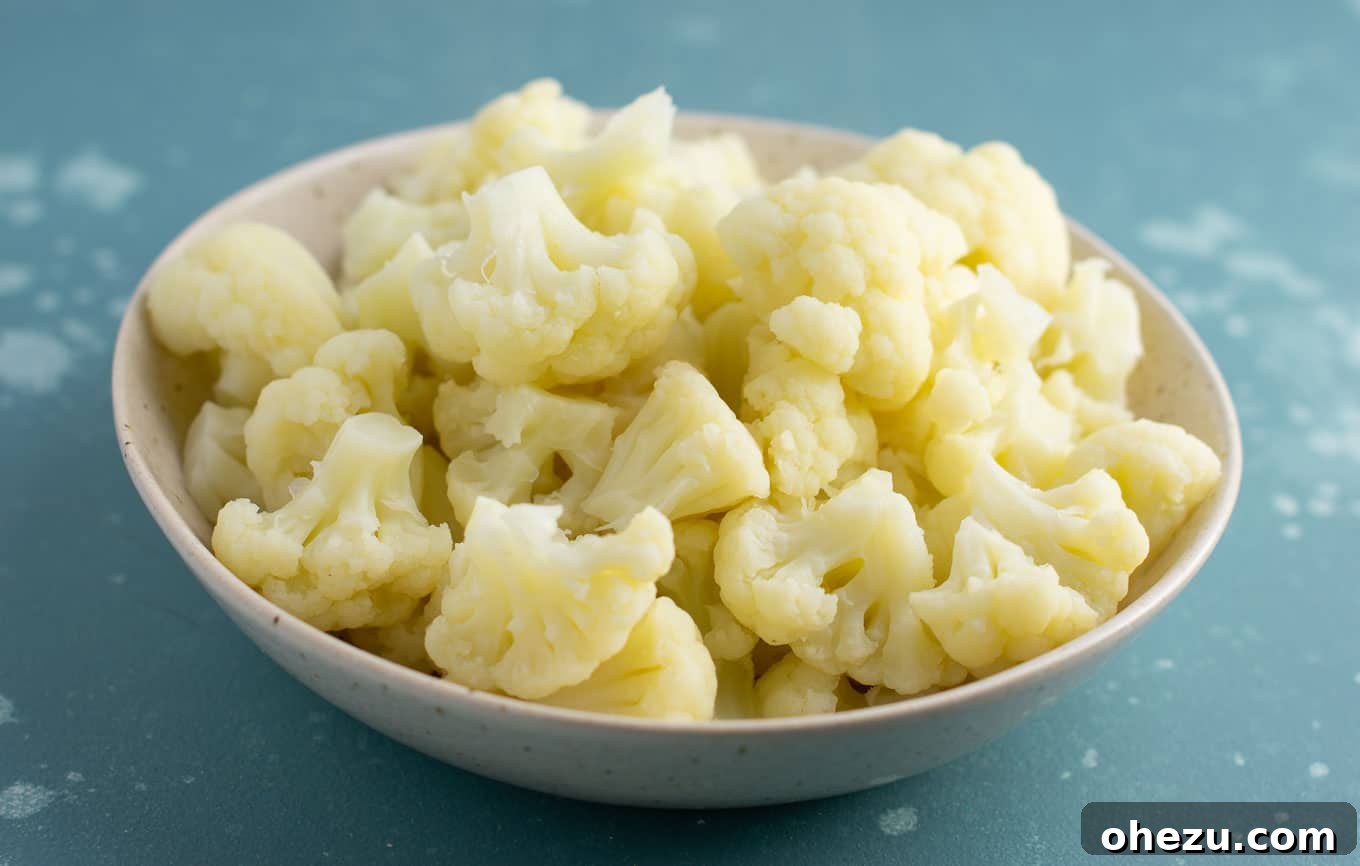
Personally, I usually steam my cauliflower for around 20-30 minutes, until it reaches that ideal fork-tender stage. I know it’s perfectly cooked when I can effortlessly slide a fork through the florets, and they separate easily without being mushy. This level of tenderness is perfect for blending into creamy sauces or mashing.
Serving Steamed Cauliflower: Endless Culinary Possibilities
Once you’ve mastered the art of steaming cauliflower, a world of culinary options opens up. This humble vegetable is incredibly versatile, adapting to a wide range of flavors and dishes. Here are some of my favorite ways to enjoy perfectly steamed cauliflower:
- Creamy Cauliflower Alfredo Sauce: This is, without a doubt, my absolute favorite application for steamed cauliflower. By blending steamed cauliflower with a few other ingredients, you can create an unbelievably rich, decadent, and surprisingly healthy Alfredo sauce. It’s a fantastic way to enjoy a classic comfort food while sneaking in extra vegetables. You won’t believe how incredibly creamy and flavorful this sauce is! Get the easy cauliflower alfredo recipe here.
- Hearty Mushroom Cauliflower Alfredo Pasta Bake: Elevate your steamed cauliflower by incorporating it into a comforting pasta bake. Pair it with earthy mushrooms and a delicious Alfredo sauce for a truly satisfying and wholesome meal that’s perfect for chilly evenings or family dinners. It’s the ultimate comfort food! Find the recipe for this mushroom cauliflower alfredo pasta bake.
- Simple & Healthy Side Dish: Sometimes, the best way to enjoy steamed cauliflower is in its simplest form. Once steamed, transfer the florets to a bowl, drizzle with melted butter or a good quality olive oil, and season generously with salt, freshly ground black pepper, and your favorite herbs or spices. A sprinkle of garlic powder, a pinch of paprika, or fresh parsley can truly elevate this healthy side dish.
- Quick & Easy Cauliflower Rice: Steamed cauliflower is an excellent shortcut for making cauliflower rice. Once the florets are tender, simply run a knife through them on a cutting board, dicing them into small, rice-like pieces. This “already cooked” cauliflower rice is perfect for quick stir-fries, burrito bowls, or as a low-carb alternative to traditional rice. It absorbs flavors beautifully and adds a wonderful texture to dishes.
- Cheesy Vegetable Topping: For a quick and satisfying snack or side, smother your steamed cauliflower with a homemade cheese sauce. The mild flavor of the cauliflower pairs wonderfully with the rich, savory notes of a classic cheddar cheese sauce. It’s a fantastic way to entice picky eaters to enjoy their vegetables! Make this easy cheddar cheese sauce for veggies.
- Blended Soups and Purees: Steamed cauliflower, especially when cooked until very tender, is an ideal base for creamy soups or vegetable purees. Blend it with broth and seasonings for a light soup, or combine it with potatoes for a healthier mashed side dish.
- Roasted or Sautéed Finish: For an extra layer of flavor and texture, briefly roast or sauté your steamed cauliflower. Toss the florets with a little oil and spices, then roast at high heat for 10-15 minutes until slightly caramelized, or quickly sauté them in a pan for a delicious golden finish.
Storage and Reheating
Steamed cauliflower is also excellent for meal prepping. Allow it to cool completely, then store it in an airtight container in the refrigerator for up to 3-4 days. To reheat, you can gently warm it in the microwave, steam it again for a few minutes, or quickly sauté it in a pan with a little olive oil.
Troubleshooting Common Steaming Issues
- Cauliflower is too mushy: This typically means it was overcooked. Next time, reduce the steaming time and start checking for doneness earlier. Ensure florets are uniform in size.
- Cauliflower is still hard: It needs more steaming time. Cover the pot again and continue steaming, checking every few minutes until desired tenderness is reached.
- Water evaporated, and pan is burning: Always monitor water levels, especially during longer steaming sessions. Keep a kettle of hot water ready to replenish if needed. If it burns, remove the cauliflower immediately and let the pot cool before attempting to clean it.
More Delicious Cauliflower Recipes to Explore
If you’ve enjoyed mastering steamed cauliflower, you’ll love exploring other creative ways to incorporate this fantastic vegetable into your diet. Here are some more inspiring recipes:
- Zesty Orange Cauliflower
- Savory Teriyaki Cauliflower
- Refreshing Cilantro Lime Cauliflower Rice
- Hearty Cauliflower Rice Burrito Bowl
- Effortless Roasted Frozen Cauliflower
- Crispy Air Fryer Cauliflower
Mastering the art of steaming cauliflower is a valuable skill for any home cook. It’s a simple, healthy, and versatile cooking method that unlocks endless possibilities for delicious meals. With just a pot, a colander, and a lid, you can consistently achieve perfectly tender florets ready for your next culinary adventure.
Are you making this recipe? I would love to see your creations! Don’t forget to tag me on Instagram @buildyourbite and use the hashtag #buildyourbite with your recipe photos and videos. Your culinary journey inspires us all!
Be sure to pin this simple steaming method for later, and follow Build Your Bite on Pinterest for all the latest delicious recipes and cooking tips!

Print Recipe
Average Rating: 5 out of 5 stars from 2 votes
How To Steam Cauliflower
Steamed cauliflower is a great side dish that can be made without a steamer!
Materials
- 1 head of cauliflower
- Water (as needed)
- Salt & Pepper (to taste)
Instructions
- Place a colander into a large saucepan.
- Chop the cauliflower into florets, and add to the colander basket.
- Add enough water to cover the bottom of the saucepan (ensure it doesn’t touch the colander).
- Place saucepan with the colander basket over medium-high heat, and cover the cauliflower with a lid.
- Steam until fork tender, around 15 – 25 minutes, or until desired texture.
- Serve with butter, salt, and pepper, or with cheese sauce.
- To make cauliflower rice, run a knife through the steamed cauliflower until it is in small rice-like pieces; serve immediately.
Nutrition Facts
Calories: 32kcal |
Carbohydrates: 6g |
Protein: 3g |
Fat: 1g |
Sodium: 97mg |
Fiber: 3g |
Sugar: 3g