
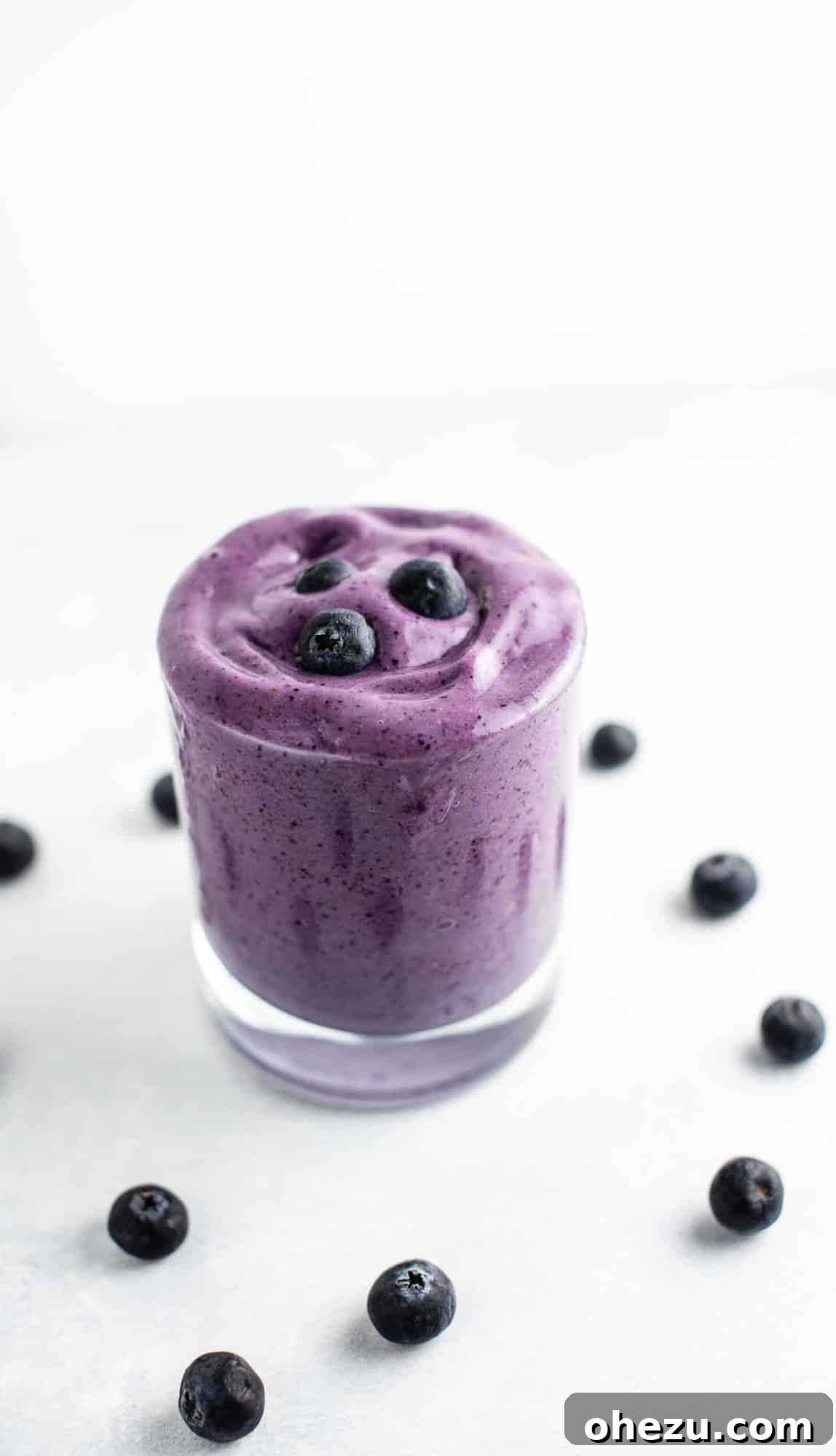
Mastering Homemade Smoothies: Your Ultimate Guide to Delicious & Healthy Blends
Have you ever tried to whip up a smoothie at home, only to find it just didn’t live up to the delicious, creamy perfection you crave from your favorite café or health food store? You’re not alone! Crafting the ideal smoothie can feel like a culinary challenge, but with the right knowledge and techniques, you can easily create blends that are not only incredibly tasty but also wonderfully nutritious.
This comprehensive guide is designed to transform your smoothie-making experience. We’ll walk you through everything you need to know to make smoothies that are just as good, if not better, than those premium blends you love. Get ready to explore different types of smoothies, discover the best ingredients to use, and learn essential tips and tricks for achieving your desired texture and flavor. We’ll even share some mouth-watering recipes to kickstart your journey!
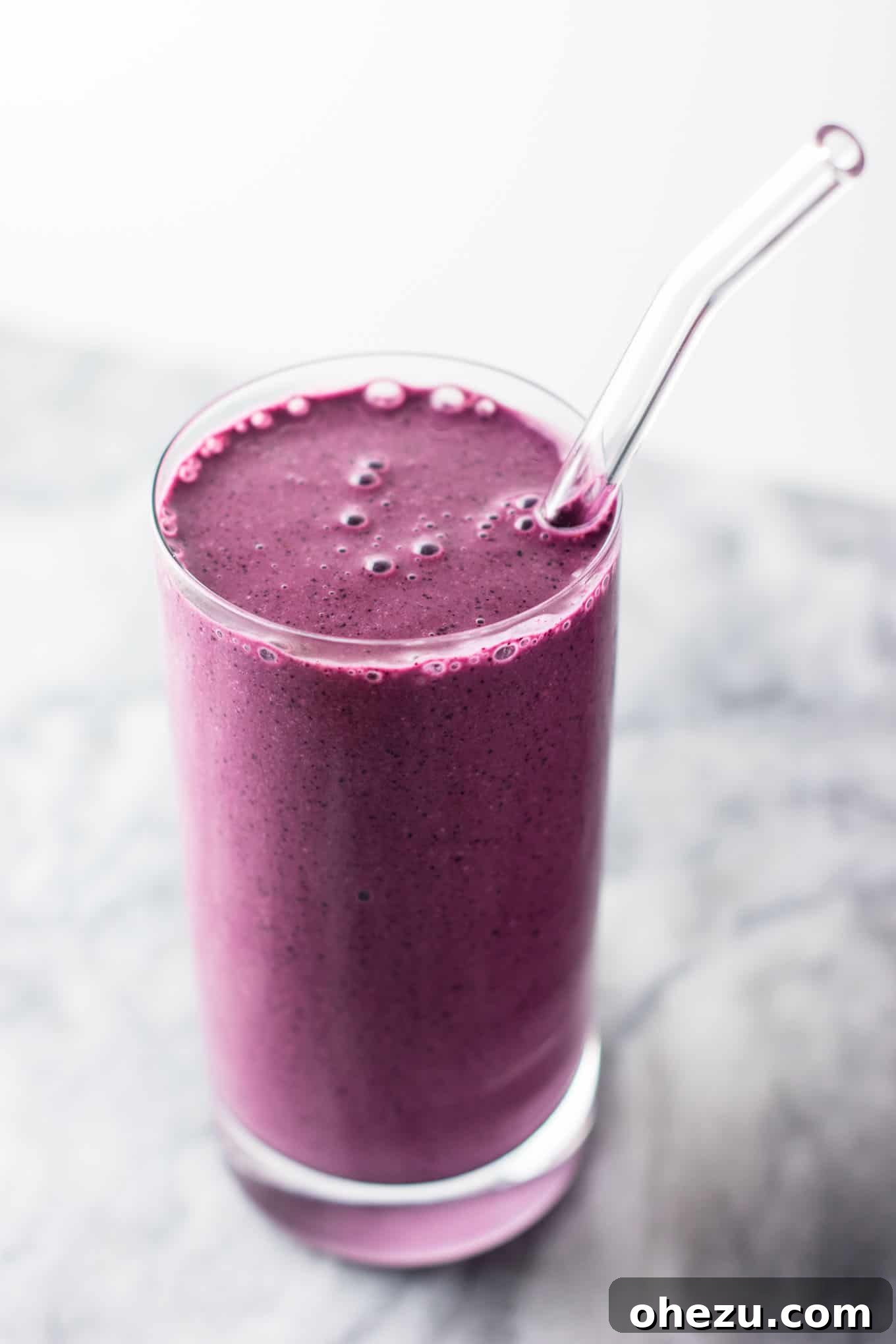
What Should I Put in My Smoothie? The Essential Ingredients
The beauty of smoothies lies in their incredible versatility. The options for what you can toss into your blender are virtually endless, making it easy to customize them to your taste, dietary needs, and what you have readily available. To begin your smoothie adventure without an immediate trip to the grocery store, start by exploring the fruits and vegetables you already have on hand. Experimentation is key to discovering which flavors marry beautifully together and which combinations become your personal favorites.
Building Blocks of a Perfect Smoothie:
A well-rounded smoothie typically consists of several key components: a liquid base, fresh or frozen fruits, vegetables, a source of protein or healthy fats, and optional boosters. Balancing these elements ensures your smoothie is both delicious and nutritionally complete.
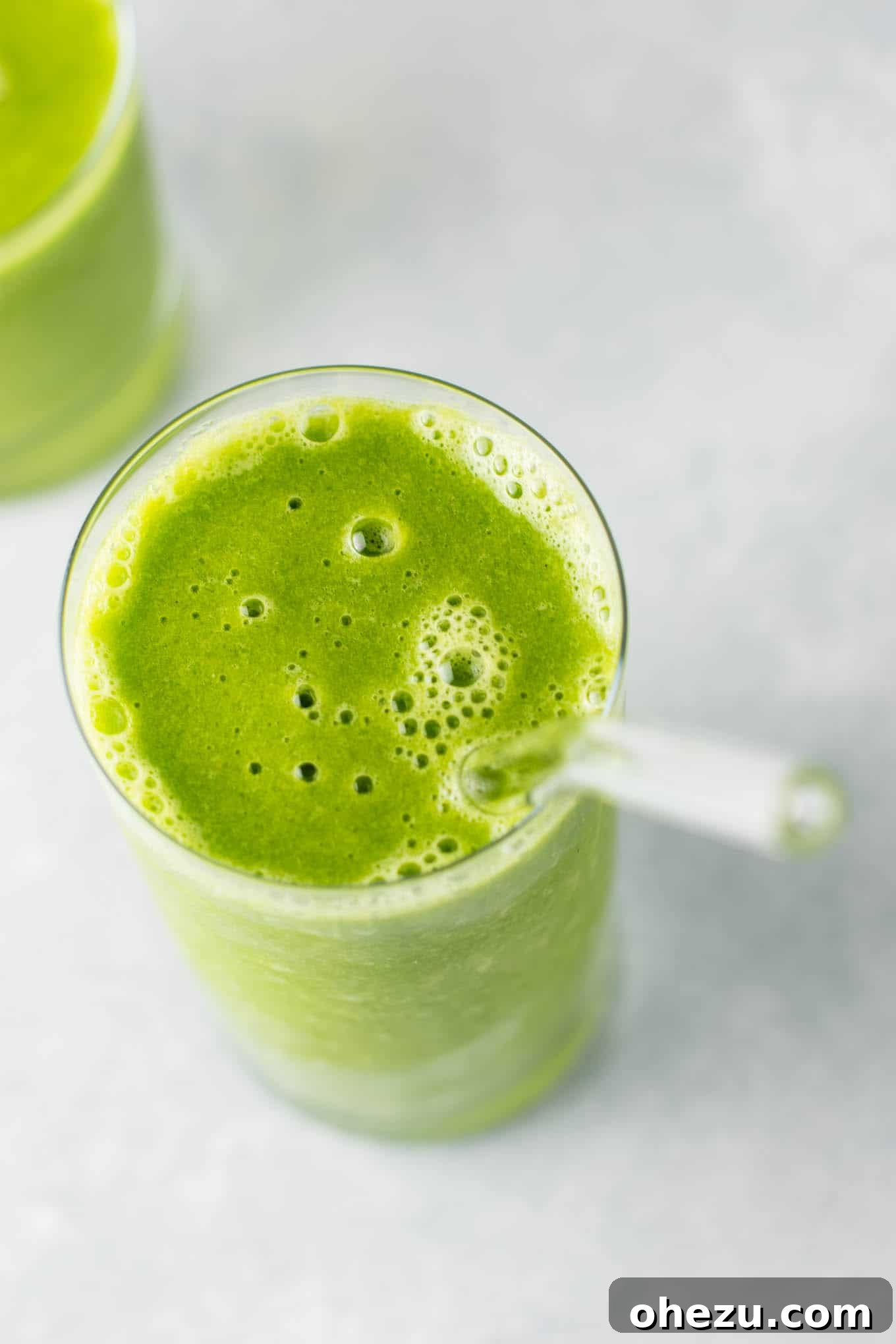
- Leafy Greens: Think kale, spinach, or Swiss chard. These nutrient powerhouses blend seamlessly, especially when combined with sweeter fruits, masking their earthy flavor. They are packed with vitamins and minerals without significantly altering the taste.
- Sweet Fruits: Frozen bananas, pineapple, peaches, and citrus fruits are excellent partners for greens, providing natural sweetness and a creamy texture. Avoid mixing berries with greens as their tartness can sometimes clash.
- Berries: Strawberries, blueberries, blackberries, and raspberries are rich in antioxidants and pair exceptionally well with dairy or non-dairy milks and yogurt, creating a classic, refreshing blend. Their vibrant colors and tart-sweet profiles are always a hit.
- Hidden Veggies: Don’t underestimate the power of frozen cauliflower. When blended, its taste is virtually undetectable, yet it adds an incredible amount of creaminess and fiber without extra sugar. It’s a fantastic secret ingredient for almost any fruit-based smoothie.
- Root Vegetables: Frozen steamed sweet potato offers a rich, velvety texture and natural sweetness. It’s an excellent base for more decadent, dessert-like smoothies, especially when combined with nut butters or cocoa powder.
- Nut Butters: Peanut butter, almond butter, or cashew butter add healthy fats, protein, and a satisfying richness. They blend wonderfully with milk, bananas, and apples, and are a classic pairing for chocolate-infused smoothies.
- Carrots: Sweet and earthy, carrots are a great source of Vitamin A. They pair delightfully with citrus fruits for a refreshing twist, or with milk and yogurt for a creamier texture.
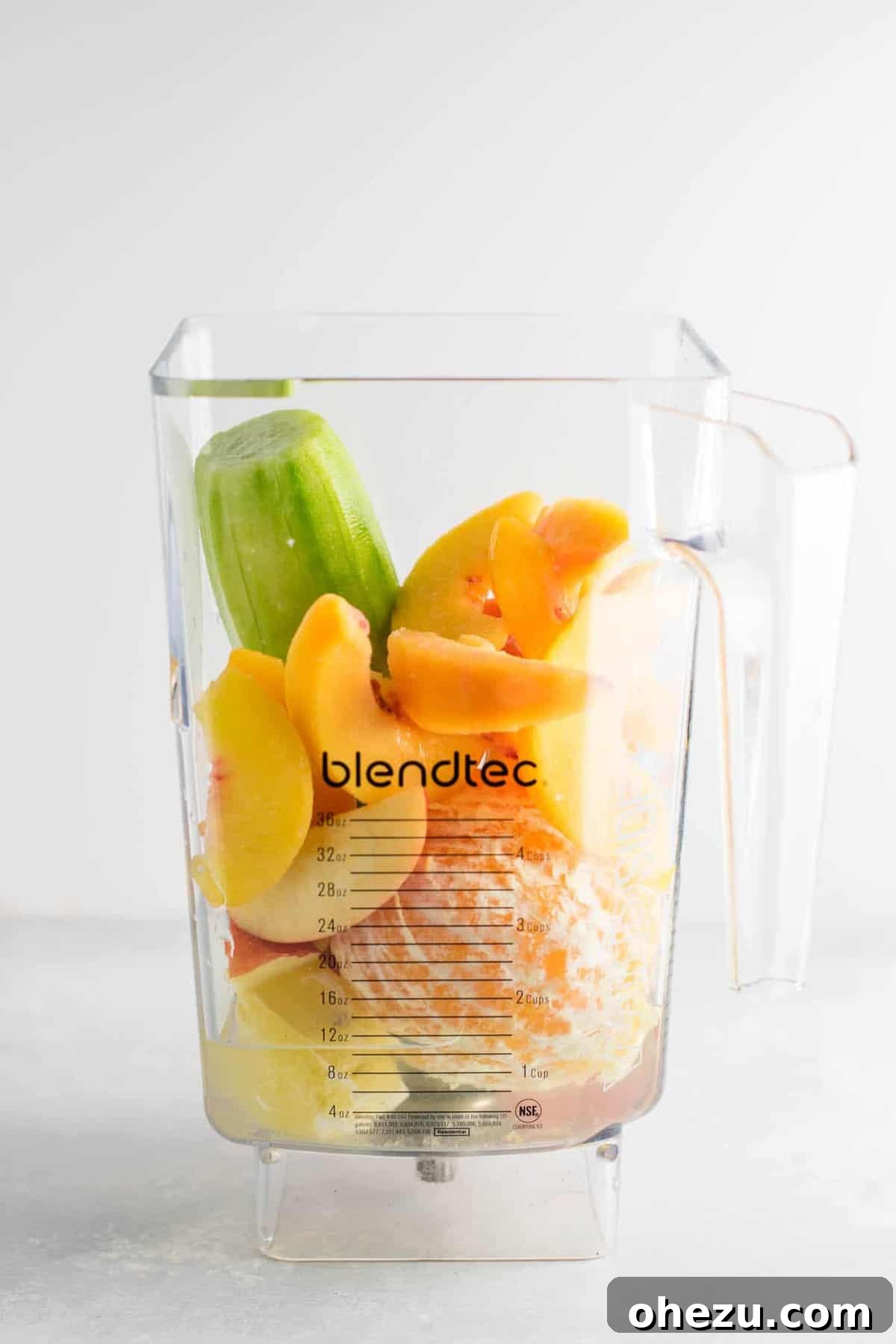
- Cucumbers: These hydrating veggies offer a crisp, refreshing note and are perfect for adding liquid to your smoothie without diluting the flavor. They blend well with citrus fruits and greens, making them ideal for detox or green smoothies.
By understanding these pairings, you can easily mix and match ingredients to create endless delicious possibilities tailored to your preferences and nutritional goals.
Unlock Your Perfect Green Smoothie Recipe Here!
How Much Fruit Should I Put in a Smoothie? Achieving Your Desired Consistency
The amount of fruit you incorporate into your smoothie largely depends on two main factors: your desired thickness and the total volume of smoothie you intend to make. Fruit is not only a primary source of flavor and nutrients but also a crucial component for achieving that perfect creamy consistency.
For a luxuriously thick, almost ice cream-like smoothie, I highly recommend relying primarily on frozen fruit. Approximately 1 to 2 cups of frozen fruit is generally sufficient for a large, single-serving drink. Frozen fruit is key because it chills the smoothie without diluting the flavor, as ice can sometimes do, and contributes significantly to its body and texture.
If you’re using fresh fruit, you can still aim for the same 1 to 2 cups, but you’ll need to employ other techniques to achieve a thicker consistency. Consider adding ice cubes, a scoop of yogurt, a handful of frozen vegetables (like cauliflower or spinach), or even healthy fats like avocado or chia seeds. These additions will help transform fresh fruit into a rich, satisfying blend without making it watery.
Remember, the goal is balance. Too much fruit can make a smoothie excessively sweet or overly thick, while too little might result in a thin, unsatisfying drink. Start with these guidelines and adjust based on your personal preference and the ripeness of your fruit.
Try Our Healthy Peach Smoothie for a naturally sweet and thick treat!
How Do You Blend Smoothies? Tips for a Silky-Smooth Texture
The right blender can truly elevate your smoothie game. If you’re passionate about achieving those ultra-thick, velvety, and creamy smoothies that rival your favorite juice bar, investing in a high-speed blender is a game-changer. Brands like Blendtec or Vitamix can effortlessly pulverize frozen fruits, fibrous greens, and ice into a perfectly smooth concoction. My Blendtec, for instance, has revolutionized my daily routine, making it incredibly easy to whip up delicious blends almost every day.
However, you don’t necessarily need a top-of-the-line blender to make good smoothies. If you’re working with a regular blender, you might find it a bit more challenging to achieve a completely smooth consistency, especially when dealing with hard frozen vegetables or whole fresh fruits like apples. Here are some blending tips:
- Order Matters: Always add your liquid first. This helps the blades move freely and creates a vortex that pulls down the other ingredients. Follow with soft ingredients like fresh spinach or yogurt, then fresh fruit, and finally, your hardest or frozen ingredients like ice cubes and frozen fruit.
- Patience is Key: With a regular blender, you might need to blend in pulses, stopping occasionally to push down ingredients with a tamper (if your blender has one) or a spoon (after unplugging the blender, of course!).
- Small Chunks: Cut larger fruits and vegetables into smaller pieces before adding them to a regular blender to ensure easier blending.
- Add More Liquid Gradually: If your blender is struggling, add a small amount of liquid (a tablespoon or two at a time) to help things along, rather than adding too much at once and ending up with a thin smoothie.
Regardless of your blender type, the goal is to break down all ingredients completely, leaving you with a delicious, lump-free beverage.
Are Breakfast Smoothies Good for You? A Nutritious Start to Your Day
Absolutely! Breakfast smoothies are an outstanding way to kickstart your day with a burst of nutrition. They offer unparalleled convenience, allowing you to pack a significant amount of fruits, vegetables, protein, and healthy fats into a single, portable meal. This makes them an ideal choice for busy mornings or anyone looking to enhance their daily nutrient intake.
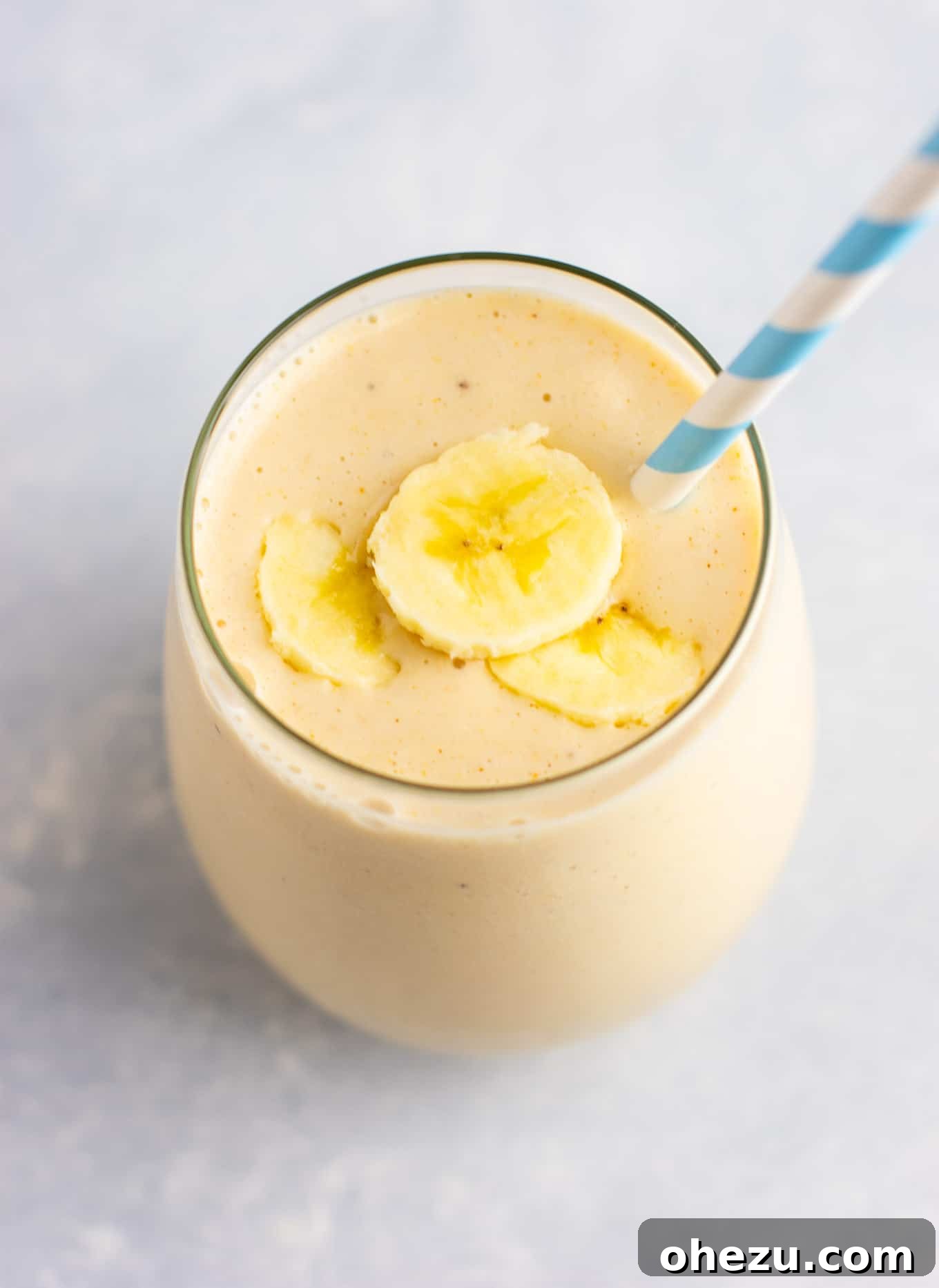
Consider, for example, a balanced recipe like this Peanut Butter Banana Smoothie. It’s more than just a sweet treat; it’s a well-designed drink that combines bananas for natural energy, milk or a non-dairy alternative for creaminess, yogurt for probiotics and protein, and peanut butter for healthy fats and sustained satiety. A touch of honey can add just the right amount of sweetness, making it a truly satisfying breakfast option.
Frozen bananas, in particular, are a miraculous addition to any breakfast smoothie. They provide a wonderful creamy texture and natural sweetness without the need for added sugars, making your smoothie feel more like a decadent milkshake. To ensure your smoothie keeps you full and energized throughout the morning, always prioritize adding a substantial protein source. Great options include:
- Greek yogurt (plain for less sugar)
- Protein powder (whey, plant-based, or collagen)
- Nut butters (peanut, almond, cashew)
- Seeds (chia seeds, flax seeds, hemp seeds)
- Tofu (silken tofu blends incredibly smoothly and adds protein)
By thoughtfully choosing your ingredients, your breakfast smoothie can be a powerhouse of essential nutrients, setting a positive tone for the rest of your day.
What Liquid Should I Put in My Smoothie? The Foundation of Your Blend
The liquid base you choose for your smoothie is crucial as it determines the overall consistency, and to some extent, the flavor profile. It’s the medium that brings all your ingredients together, allowing your blender to work its magic.
Here are some popular liquid options, each offering distinct characteristics:
- Water: For a lighter, less caloric, and dairy-free option, water is perfectly acceptable. It allows the natural flavors of your fruits and vegetables to shine through. While it won’t add creaminess, it’s excellent for hydration and keeping the smoothie simple.
- Whole or 2% Milk: Dairy milk provides a rich, creamy texture and adds a good source of protein and calcium. Whole milk offers maximum creaminess and a slightly richer flavor, while 2% is a good middle-ground.
- Non-Dairy Milks: For those avoiding dairy or seeking plant-based options, there’s a wide variety of non-dairy milks available:
- Soy Milk: Offers a creamy texture and is a good source of plant-based protein.
- Almond Milk: Often chosen for its lower calorie count and mild flavor. Unsweetened vanilla almond milk is a popular choice for many, including myself, as it adds a subtle sweetness and aroma without extra sugar.
- Coconut Milk: Provides a tropical flavor and can add a luxurious, creamy richness, especially the canned varieties (use the lighter beverage type for smoothies).
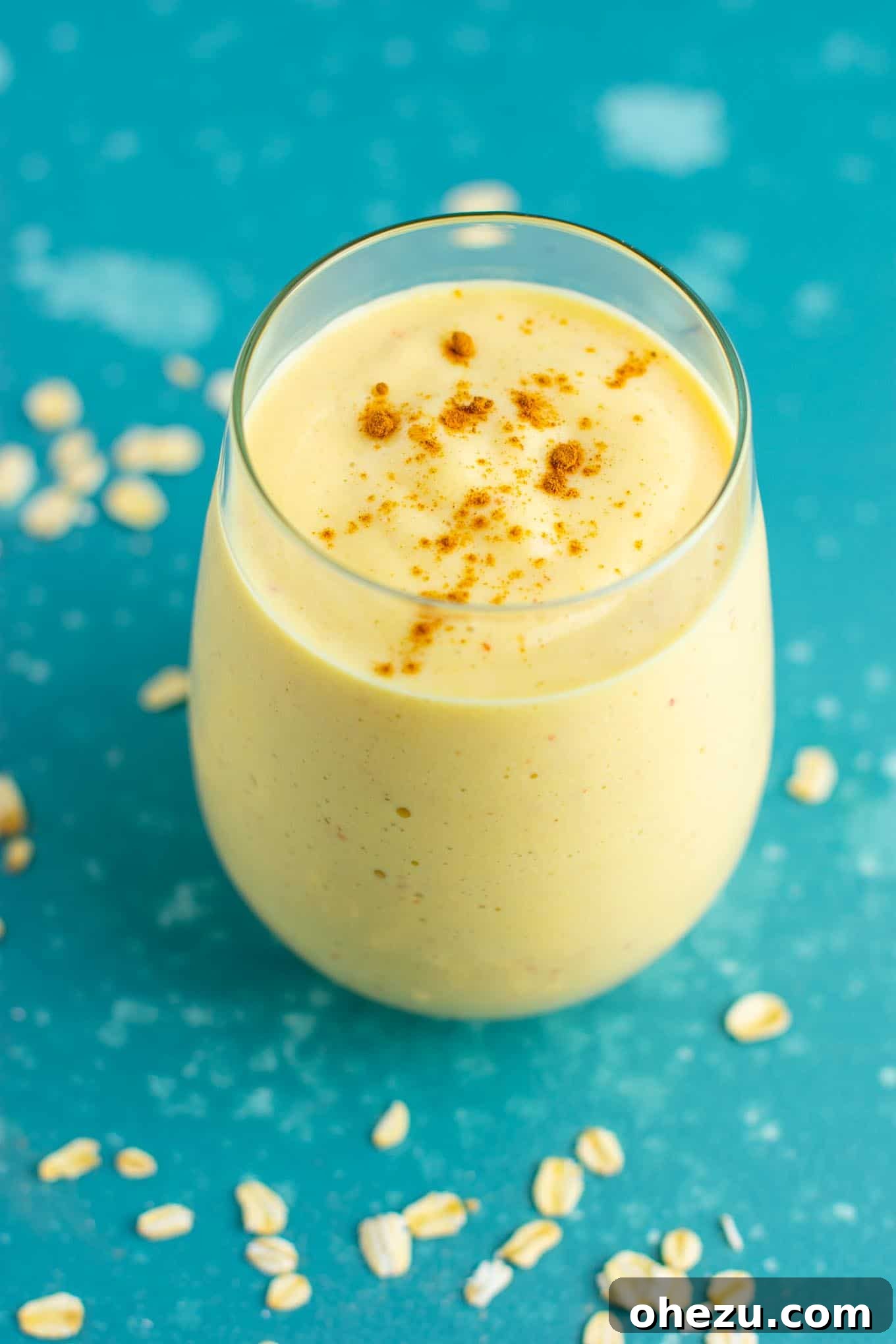
- Oat Milk: Gaining popularity for its naturally sweet taste and creamy texture, making it an excellent thickener.
- Fruit Juice: While adding fruit juice can boost flavor and sweetness, be mindful of its sugar content. Opt for 100% natural juice and use it sparingly, or dilute it with water to control sugar levels.
Personally, I frequently gravitate towards unsweetened vanilla almond milk, vanilla soy milk, or whole milk for my smoothies due to their versatility and ability to enhance creaminess. However, as mentioned, using water is totally possible if you prefer a lighter drink or are out of other options. If you’re looking to create delicious smoothies without any milk products, explore our guide on How to Make a Smoothie Without Milk. For a delightful example, check out this refreshing Ginger Peach Detox Smoothie, which proves you don’t need milk for a fantastic blend!
How Do You Sweeten a Fruit Smoothie? Harnessing Nature’s Best
The ideal fruit smoothie should be naturally sweet enough, thanks to the inherent sugars found in ripe fruits. This is particularly true when you use naturally sweeter fruits like luscious pineapples, ripe peaches, or perfectly golden bananas. The natural sweetness of these fruits often negates the need for any additional sweeteners.
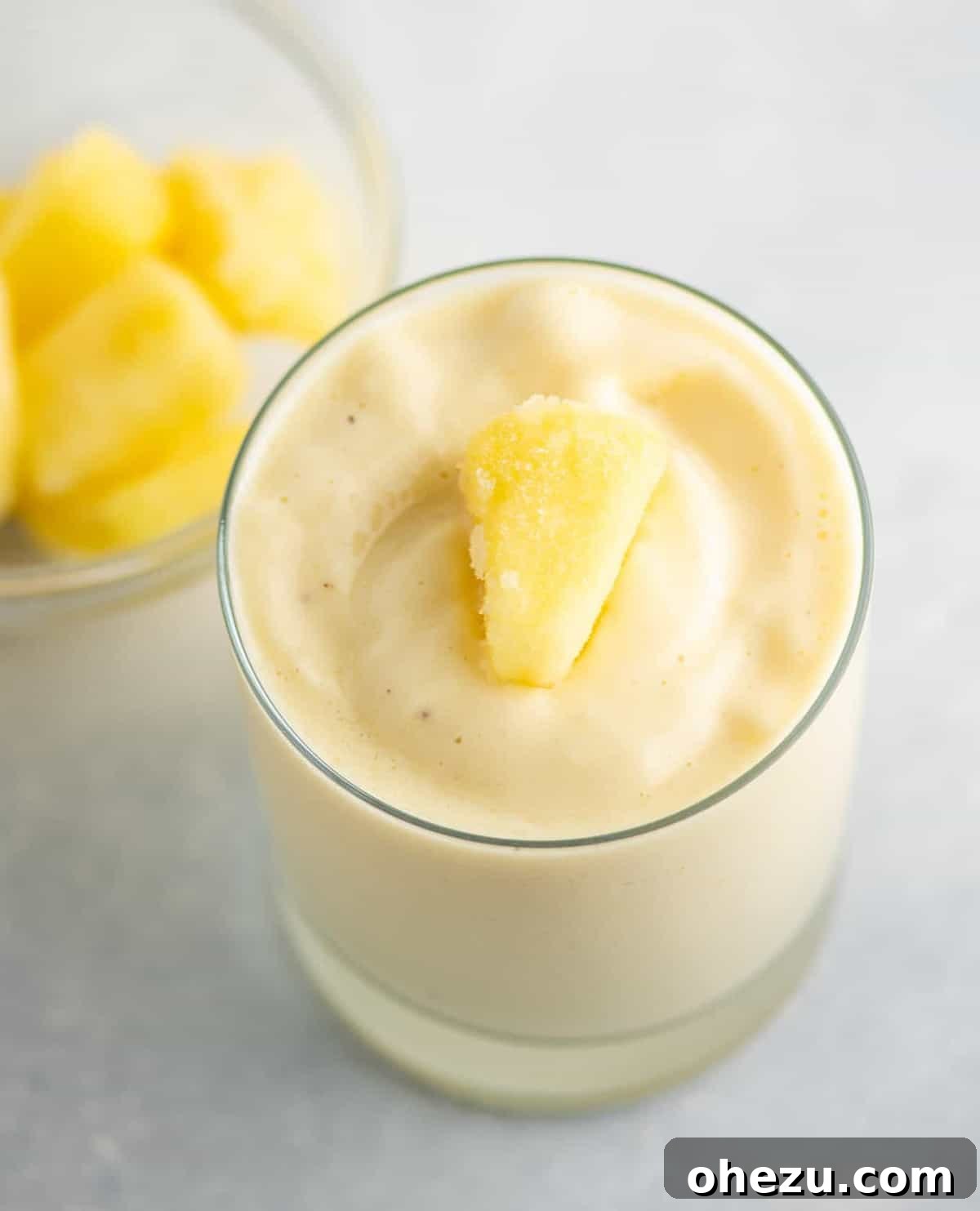
Take, for example, our frosty Pineapple Smoothie. It requires just four simple ingredients: frozen pineapple, frozen banana, unsweetened Greek yogurt, and unsweetened almond milk. The combination of these fruits provides ample sweetness, creating a refreshing and satisfying drink without any added sugars.
However, if you find your fruit smoothie isn’t quite hitting that sweet spot, or if you’re using less sweet fruits or more greens, you can certainly enhance its flavor with natural sweeteners. Opt for options like pure honey, pure maple syrup, or pitted Medjool dates. These natural alternatives provide sweetness along with some beneficial nutrients, making them a much healthier choice than refined white sugar or artificial sweeteners.
For instance, our delightful Carrot Cake Smoothie is packed with wholesome vegetables and uses just a touch of pure maple syrup to achieve its dessert-like sweetness, proving that healthy can also be incredibly delicious!
Are Fruit Smoothies Unhealthy? Dispelling Common Myths
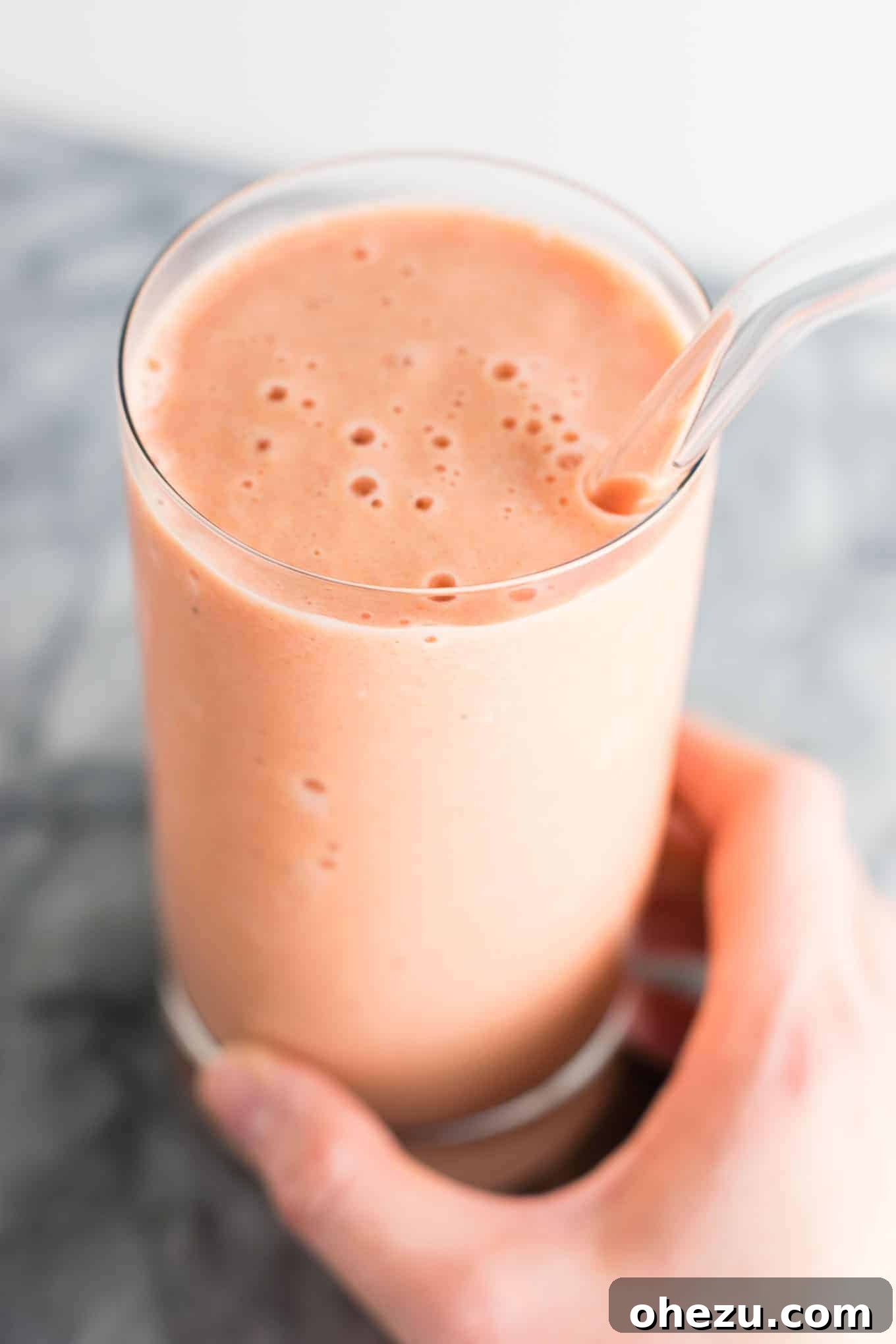
A common misconception, and one that often deters people from enjoying this nutritious beverage, is the idea that fruit smoothies are inherently unhealthy due to their sugar content. Let’s set the record straight: fruit smoothies, especially those made without added sugars, are absolutely healthy and can be a fantastic component of a balanced diet!
The key distinction lies between natural fruit sugar and artificial or refined white sugar. The sugars found naturally in whole fruits come packaged with a wealth of fiber, vitamins, minerals, and antioxidants. Fiber, in particular, helps to slow down the absorption of sugar into your bloodstream, preventing rapid spikes and crashes in blood glucose levels. This makes natural fruit sugar entirely different from the empty calories and rapid sugar absorption associated with added sugars.
Fruits offer myriad health benefits, from boosting immunity to supporting digestive health and providing sustained energy. A fruit smoothie is an excellent, enjoyable, and efficient way to help you meet your daily recommended intake of fruits. It’s an easy way to consume a higher volume of fruit than you might typically eat whole in one sitting.
To maximize the health benefits, focus on whole, unprocessed ingredients. Avoid pre-made smoothie mixes that often contain added sugars, artificial flavors, and preservatives. Instead, blend your own with fresh or frozen whole fruits, and consider adding leafy greens, protein sources, and healthy fats for a truly balanced and nutritious meal or snack.
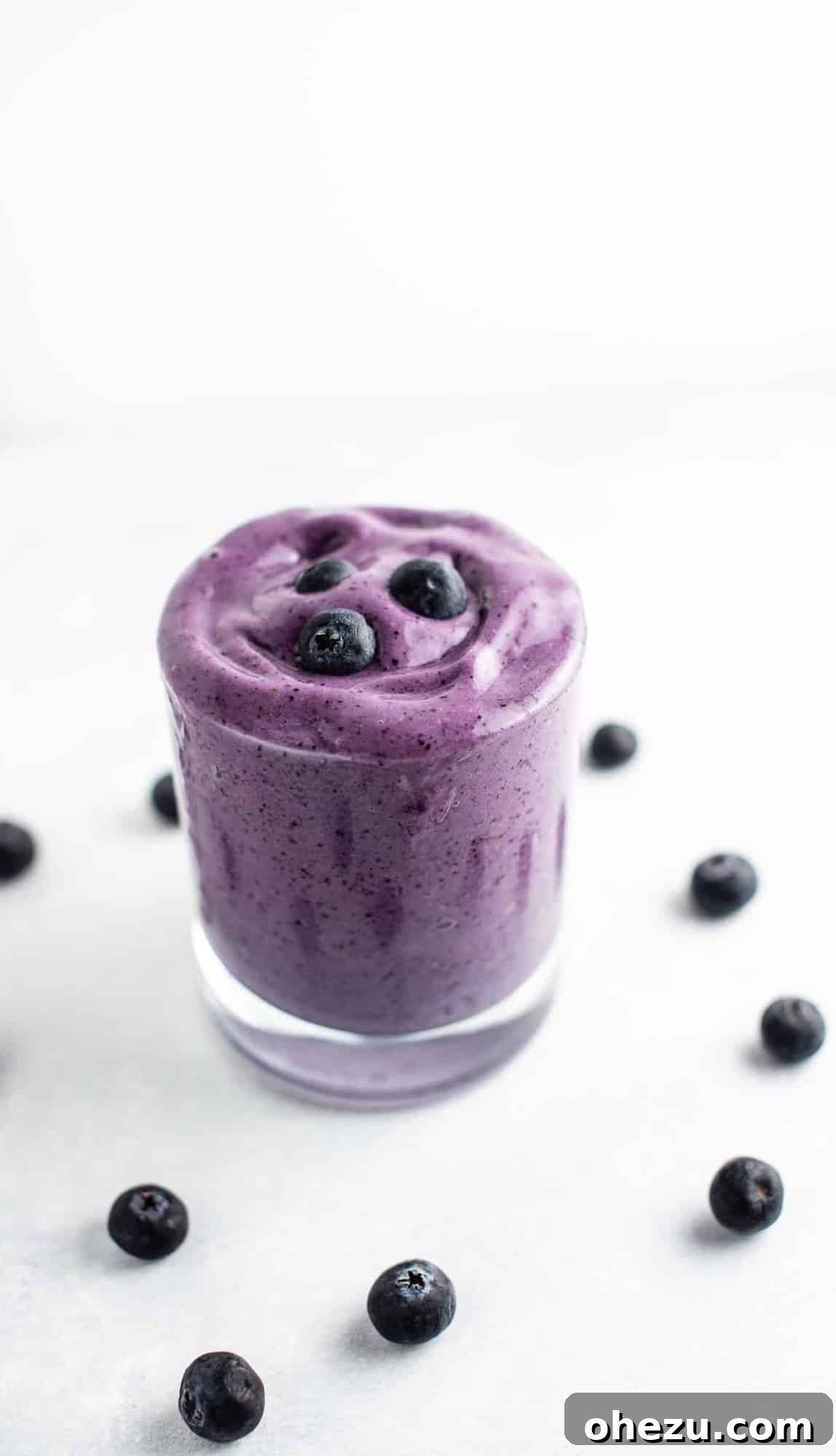
For a perfect example of a nutrient-packed, naturally sweet blend, try this vibrant Blueberry Banana Smoothie! It’s a testament to how delicious and wholesome fruit-based smoothies can be.
How Do You Sweeten a Smoothie Without Added Sugar?
Achieving a wonderfully sweet smoothie without relying on refined or artificial sugars is all about smart ingredient choices. The most effective way is to prioritize naturally sweet fruits and optimize their ratio within your blend. Here’s how:
- Maximize Sweet Fruits: Increase the proportion of naturally sweet fruits like very ripe bananas (especially frozen ones), mangoes, pineapples, dates, and grapes. These fruits contain concentrated natural sugars that will significantly sweeten your smoothie.
- Reduce Liquid Ratio: Instead of adding more liquid, which can dilute the sweetness, start with just enough liquid to get your blender moving. A thicker smoothie, rich in fruit, will naturally taste sweeter.
- Add Whole Dates: Pitted Medjool dates are fantastic natural sweeteners, offering a caramel-like flavor and additional fiber. Start with 1-2 dates and adjust to your taste.
- A Touch of Vanilla Extract: While not a sweetener itself, a dash of pure vanilla extract can enhance the perception of sweetness and add a delicious aroma to your smoothie.
By focusing on these strategies, you can enjoy a delightfully sweet smoothie that’s free from processed sugars and packed with whole-food goodness.
Can I Put Honey in My Smoothie? A Natural Sweetening Option
Yes, absolutely! Honey is one of my go-to natural sweeteners, perfect for when a smoothie made with less sweet fruits or a higher proportion of greens needs just a little lift. It provides a lovely, complex sweetness that refined sugar simply can’t match, along with beneficial enzymes and antioxidants (especially raw, unpasteurized honey).
The beauty of using honey is that a little goes a long way. Typically, just 1 to 2 teaspoons of pure honey is ample to add that desired pinch of sweetness without overpowering the natural flavors of your other ingredients. Always taste your smoothie before adding any sweetener, and then add honey gradually until it reaches your preferred level of sweetness. It’s easy to add more, but impossible to take away!
Honey pairs particularly well with creamy, fruit-based smoothies, subtly enhancing their richness and making them even more enjoyable. It’s a fantastic alternative to highly processed sugars, keeping your smoothie clean and natural.
Do Ice Cubes Make Smoothies Thicker? Enhancing Texture and Chill
Yes, ice cubes are an excellent and readily available ingredient for making smoothies thicker and colder. They provide bulk and solidity without adding extra flavor or calories, making them particularly useful when you’re working with fresh fruit or need to adjust the consistency of a frozen fruit smoothie that’s a bit too thin for your liking.
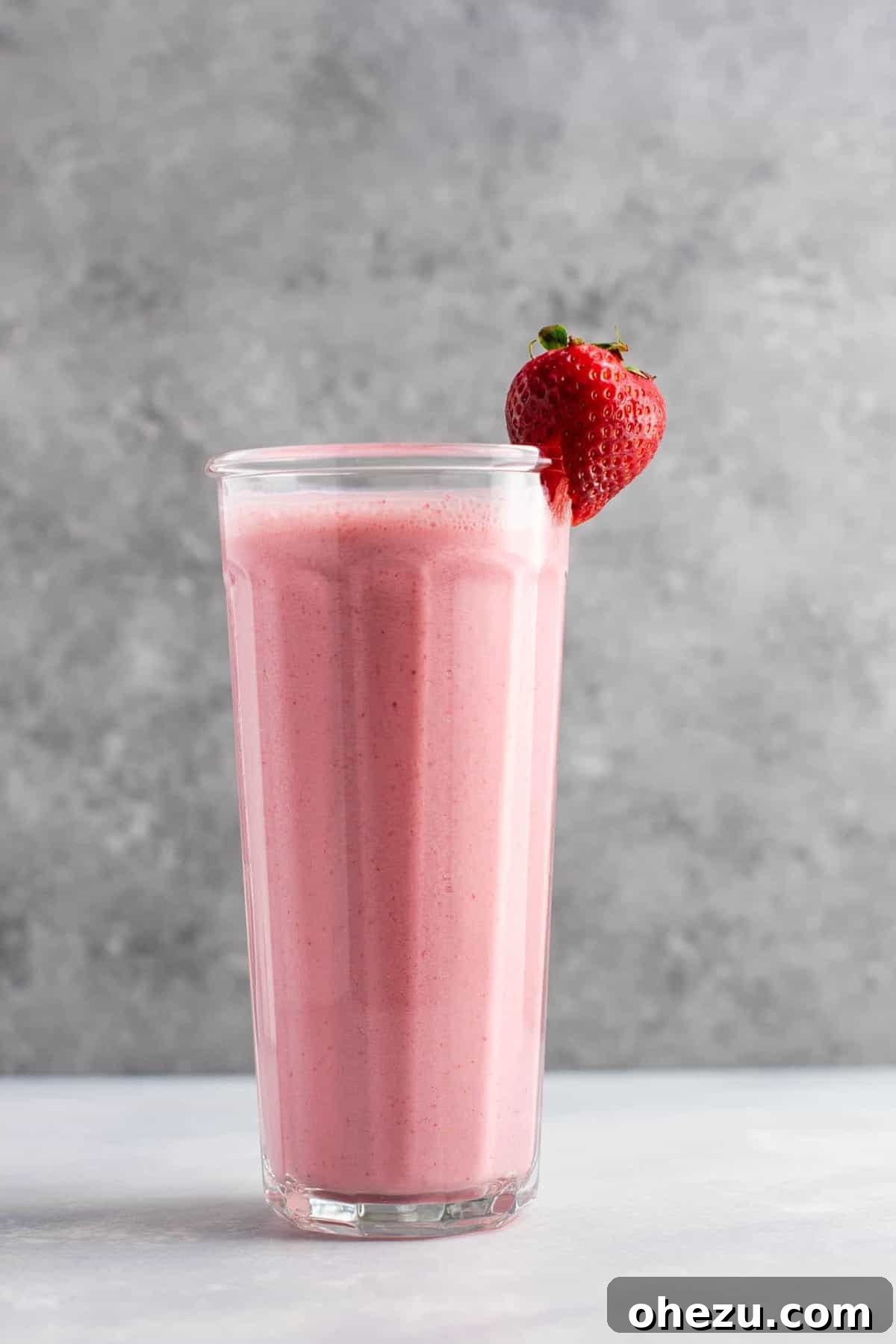
For me, who adores super thick, almost ice cream-like texture in my smoothies, ice cubes are incredibly helpful in achieving that desired creaminess and chill factor. They transform a potentially runny drink into a satisfyingly dense meal or snack. For instance, in a refreshing Strawberry Smoothie made with fresh strawberries, adding a handful of ice cubes is key to getting that thick, frosty consistency.
However, it’s important to note a potential caveat: to completely blend ice cubes into a smooth consistency without leaving behind icy chunks, a high-speed blender is almost certainly necessary. Regular blenders might struggle, potentially leaving you with an undesirably chunky or gritty texture. If you’re using a standard blender, consider using slightly less ice or opting for frozen fruit as your primary thickening agent for a smoother result.
Alternatively, if you want a thicker smoothie but worry about diluting flavor or straining your blender with too much ice, using more frozen fruit is a fantastic strategy. Frozen fruit contributes both coldness and thickness, often yielding an even creamier result than ice alone, while also packing in more nutrients.
How Do You Make a Smoothie Thicker Without Yogurt? Creative Alternatives
While yogurt is a popular choice for adding creaminess and thickness to smoothies, there are plenty of excellent alternatives if you’re dairy-free, don’t have yogurt on hand, or simply prefer a different option. Achieving a super thick, satisfying smoothie is entirely possible without it:
- Utilize Frozen Bananas: This is arguably the ultimate secret weapon for dairy-free creaminess. Frozen bananas provide an unparalleled super thick and luxurious texture, making your smoothie feel like soft-serve ice cream. Always have some peeled, sliced frozen bananas in your freezer!
- Prioritize Frozen Fruit Over Fresh: Swap fresh fruit for frozen fruit whenever possible. Frozen berries, mangoes, peaches, and pineapple contribute significantly more body and thickness to your smoothie than their fresh counterparts. Start with minimal liquid and gradually add just enough to allow your blender to process the ingredients.
- Incorporate Frozen Vegetables: Don’t shy away from frozen veggies! Steamed sweet potato (frozen after steaming) adds a rich, starchy creaminess, while frozen cauliflower florets are virtually flavorless and provide incredible thickness and fiber.
- Add Ice Cubes: As discussed, ice cubes are a quick and easy way to bulk up your smoothie and achieve a frosty, thicker consistency. Adjust the amount until your smoothie reaches your desired thickness.
- Healthy Fats & Fiber Boosters:
- Avocado: A small amount of ripe avocado (fresh or frozen) adds healthy fats and an incredibly silky, creamy texture without imparting a strong flavor.
- Chia Seeds or Flax Seeds: These super seeds absorb liquid and expand, creating a gel-like consistency that thickens your smoothie significantly. Add a tablespoon and let it sit for a few minutes before blending, or blend directly. They also provide omega-3s and fiber.
- Nut Butters: Peanut butter, almond butter, or cashew butter contribute thickness along with protein and healthy fats, making your smoothie more substantial and satisfying.
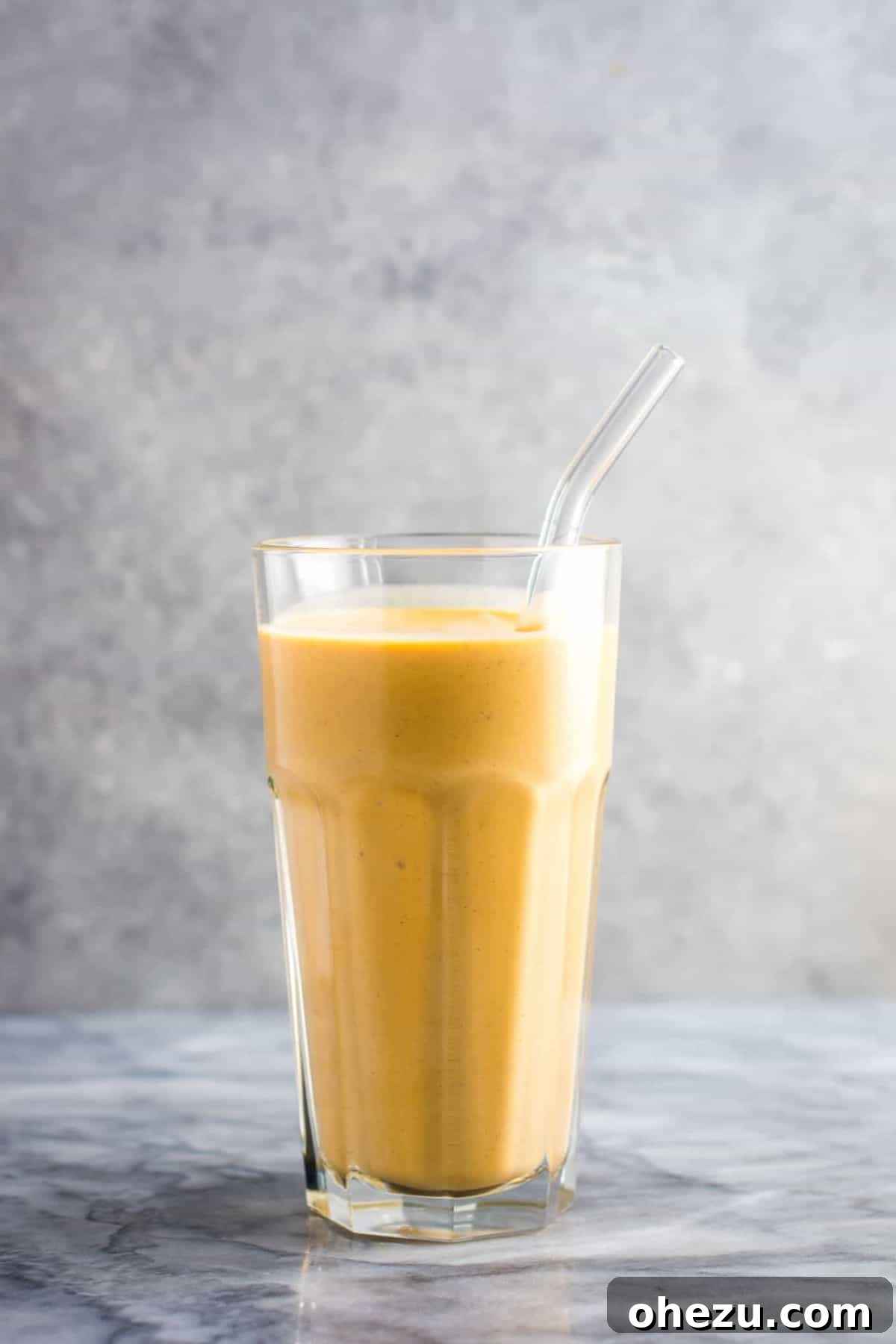
By experimenting with these options, you’ll discover a world of thick, creamy, and dairy-free smoothie possibilities. For a fantastic example, check out this rich Sweet Potato Smoothie, which is wonderfully thick without a drop of yogurt!
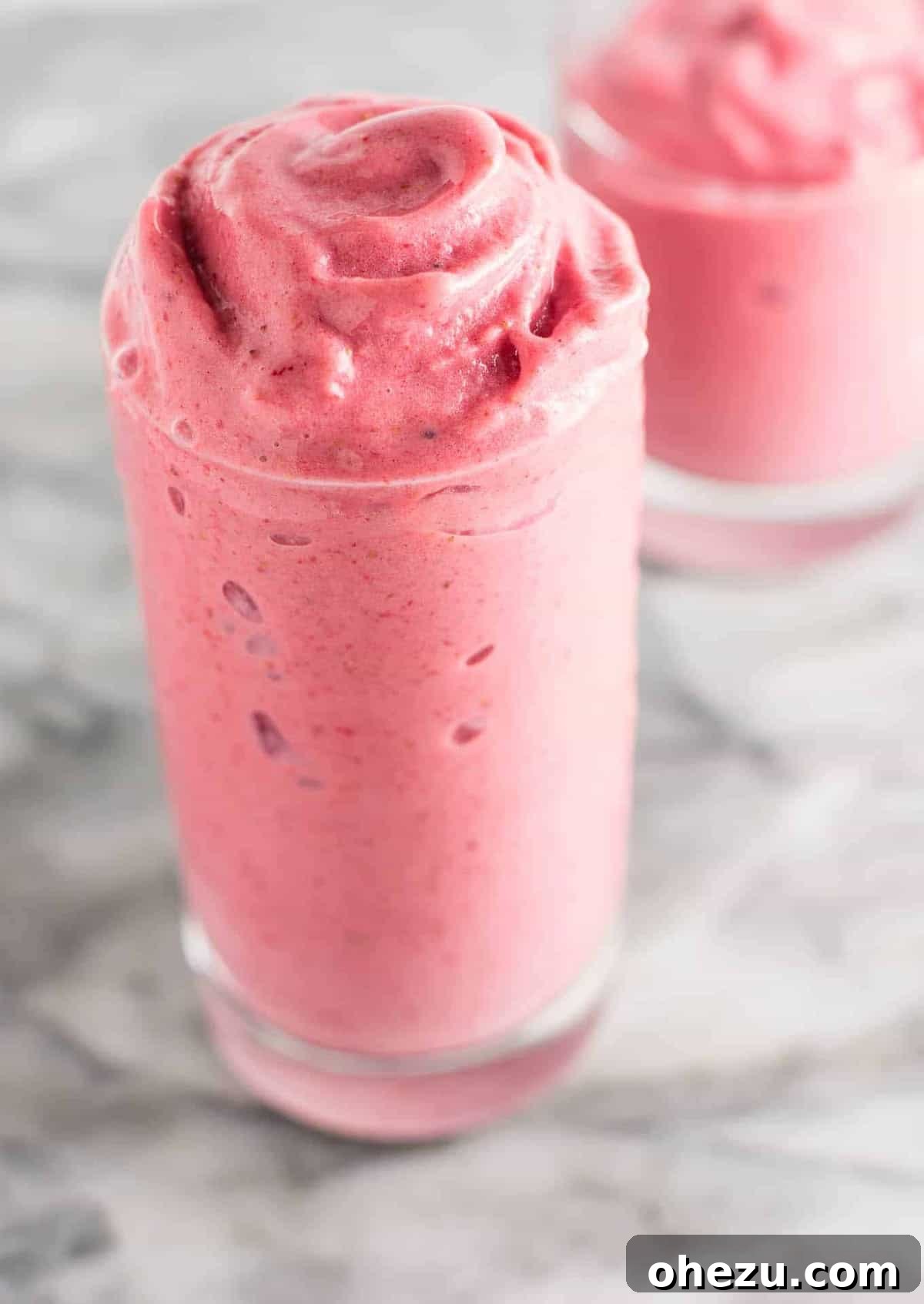
And for a purely fruit-based, incredibly thick option, you must try this simple 3-ingredient Strawberry Banana Smoothie!
Can I Drink Smoothies Every Day? A Healthy Habit to Embrace
Absolutely, you can and should feel confident drinking smoothies every day! Smoothies are a truly fantastic and convenient vehicle for increasing your daily intake of fruits and vegetables, often allowing you to consume a greater variety and quantity of produce than you might otherwise. They are not only wonderful for adults seeking a quick, nutrient-dense meal or snack, but kids often adore them too.
In our household, smoothies are a daily ritual. My toddler, for example, has been happily drinking them since he was just one year old and enthusiastically participates in making them. It’s a testament to how appealing and accessible they can be for all ages!
Incorporating a daily smoothie into your routine can be a simple yet profound change towards a more nutritionally rich lifestyle. It helps ensure you’re getting a broad spectrum of vitamins, minerals, fiber, and antioxidants, contributing to improved digestion, sustained energy, and overall well-being. To maximize the benefits and prevent nutritional monotony, consider varying your ingredients regularly. Explore different fruits, greens, protein sources, and healthy fats throughout the week to ensure you’re getting a diverse array of nutrients.
If you’re looking to integrate more nutritional foods into your life, starting with just one smoothie a day is an excellent and achievable goal. Observe how you feel with this simple change – you might be surprised by the positive impact it has on your energy levels and overall health. Smoothies are a delicious, versatile, and highly beneficial addition to a healthy diet.
How to Make Smoothies That Taste Like Dessert (the Healthy Way!)
Who says healthy can’t be indulgent? Dessert smoothies are one of my absolute favorite creations. They offer the perfect solution for those moments when you wake up craving something sweet, or when you’re looking for a lighter, guilt-free dessert option after a meal. The key is to harness natural sweetness and rich flavors from wholesome ingredients to create a truly satisfying experience.
To craft smoothies that taste like decadent desserts, focus on ingredients known for their dessert-like profiles:
- Cocoa Powder: Unsweetened cocoa or cacao powder transforms any smoothie into a rich chocolatey treat. Combine it with bananas, milk, and a touch of natural sweetener.
- Nut Butters: Peanut, almond, or cashew butters add a creamy, nutty depth that mimics many classic dessert flavors. They pair incredibly well with chocolate and banana.
- Vanilla Extract: A good quality vanilla extract can elevate the “dessert” factor, adding warmth and sweetness without actual sugar.
- Frozen Sweet Potatoes or Pumpkin Puree: These can provide a natural sweetness and creamy body, perfect for fall-inspired dessert smoothies, especially with spices like cinnamon and nutmeg.
- Dates: Medjool dates offer a rich, caramel-like sweetness and a chewy texture that’s wonderful in dessert blends.
- A Touch of Maple Syrup or Honey: If natural fruit sweetness isn’t quite enough, a small amount of pure maple syrup or honey can round out the dessert flavor beautifully.
Ready to indulge your sweet tooth the healthy way? Try some of these incredibly delicious dessert smoothie recipes:
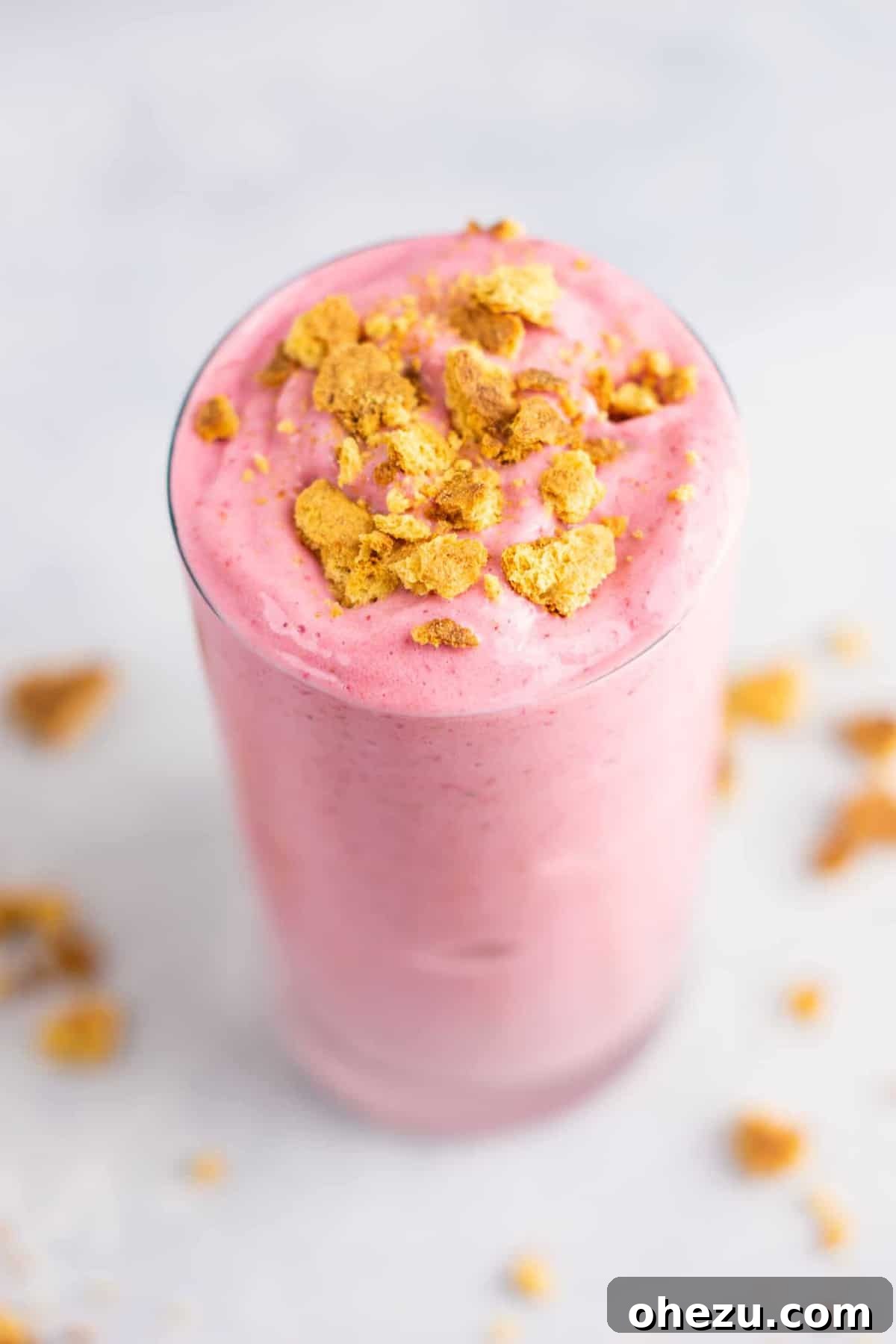
Indulge in our Skinny Strawberry Cheesecake Smoothie – a dessert in a glass!
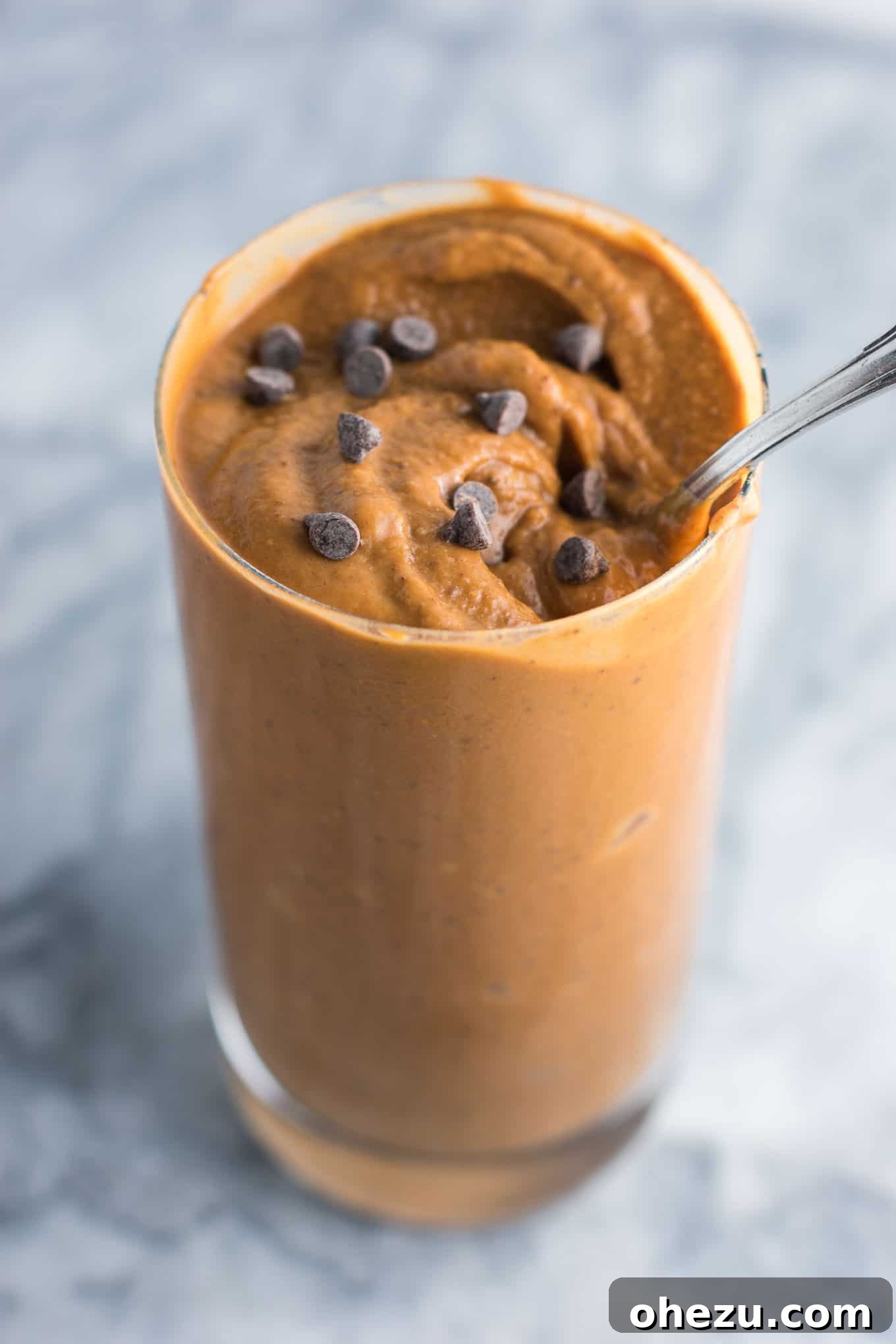
Craving chocolate? Try our Healthy Double Chocolate Milkshake!
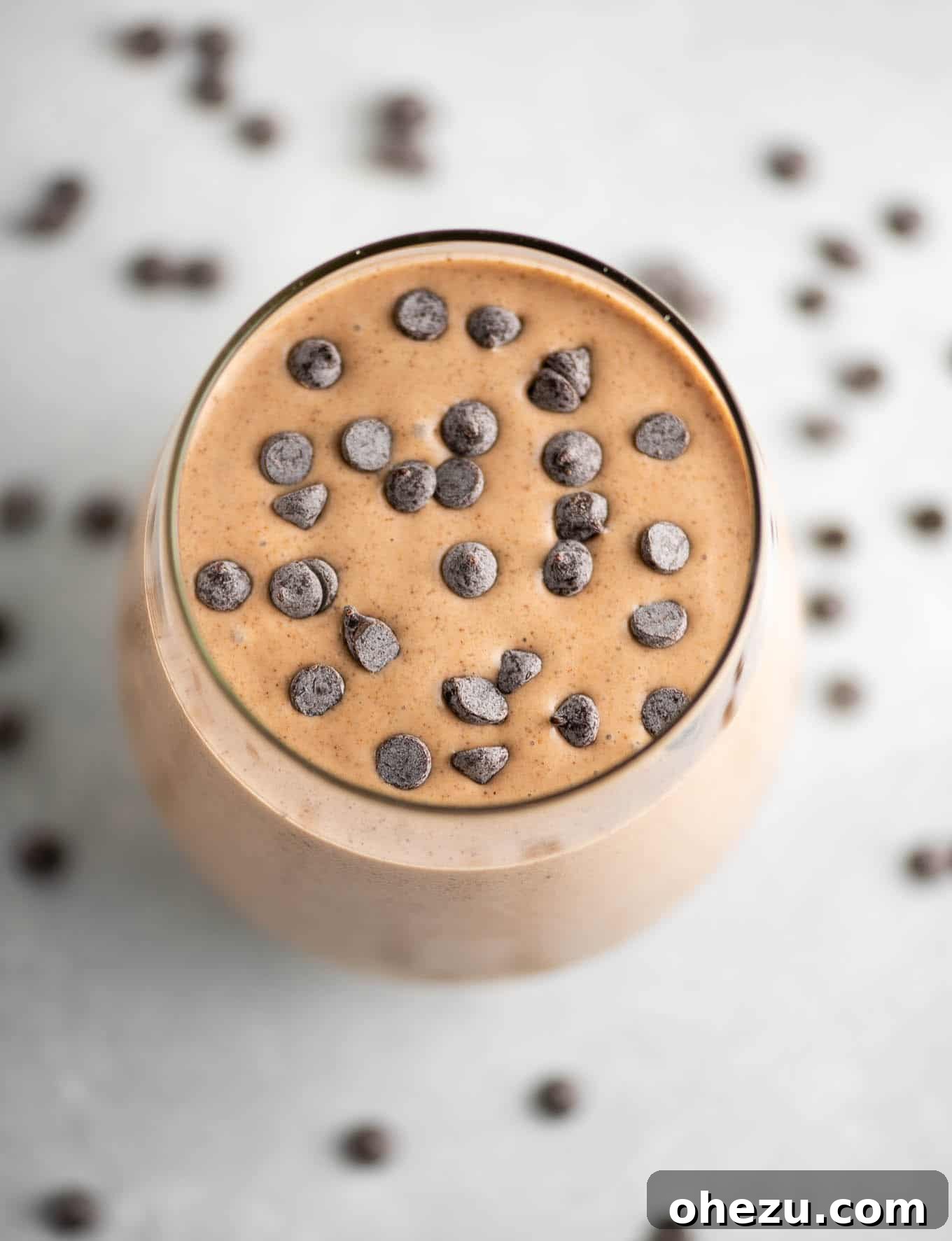
Experience pure bliss with our Chocolate Peanut Butter Banana Smoothie!
Your Smoothie Journey Starts Now!
We hope this comprehensive guide has been incredibly helpful, inspiring you to confidently embrace the art of making your own delicious and healthy smoothies at home more often. From understanding ingredient pairings and achieving the perfect thickness to discovering natural sweeteners and recognizing the immense health benefits, you now have the knowledge to create fantastic blends.
Don’t be afraid to experiment with different fruits, vegetables, liquids, and boosters. The world of smoothies is vast and exciting, offering endless possibilities for nutritious and incredibly tasty creations tailored exactly to your preferences. Happy blending! If you have any further questions or need more tips, please don’t hesitate to leave a comment below. We’d love to hear from you and help you on your smoothie-making journey!