
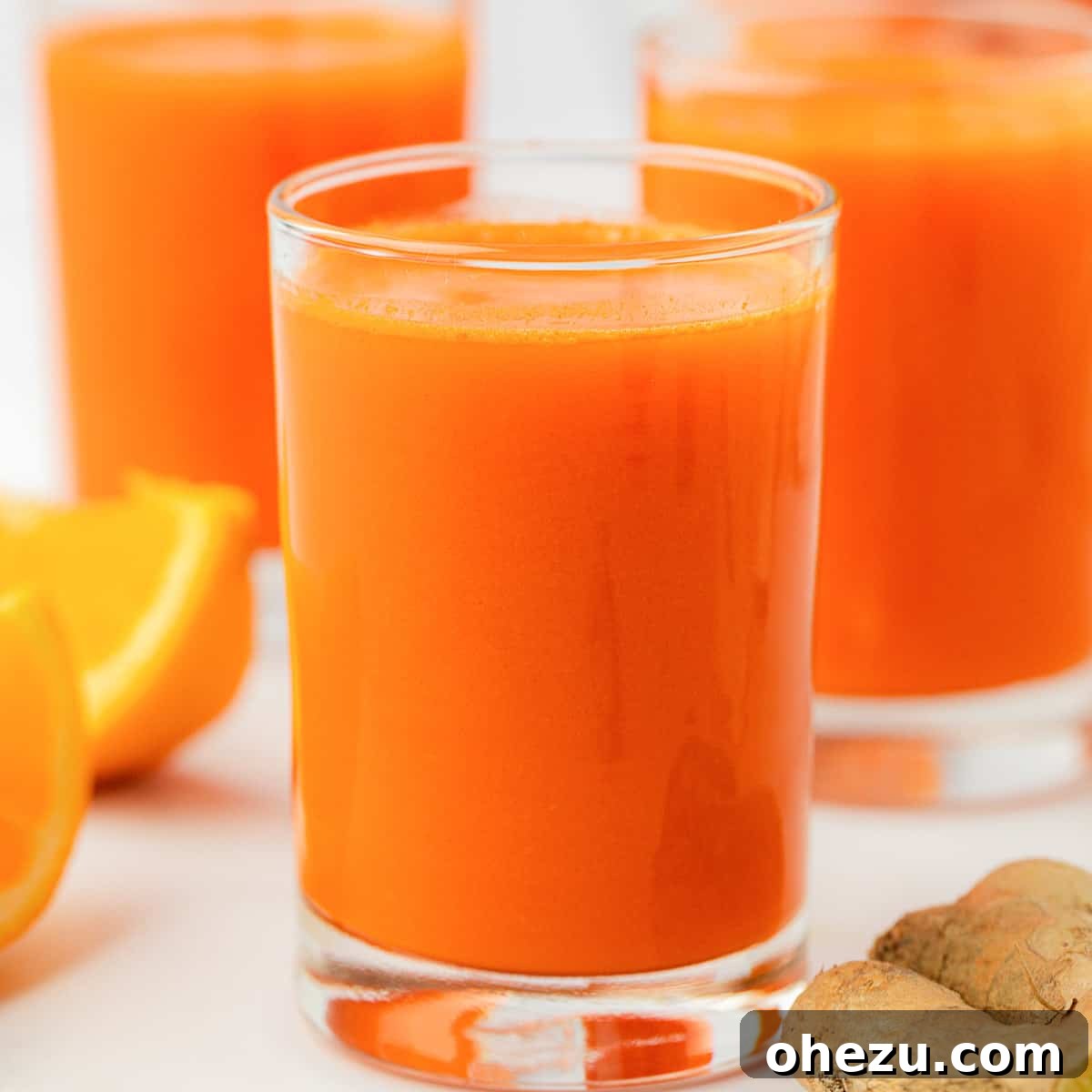
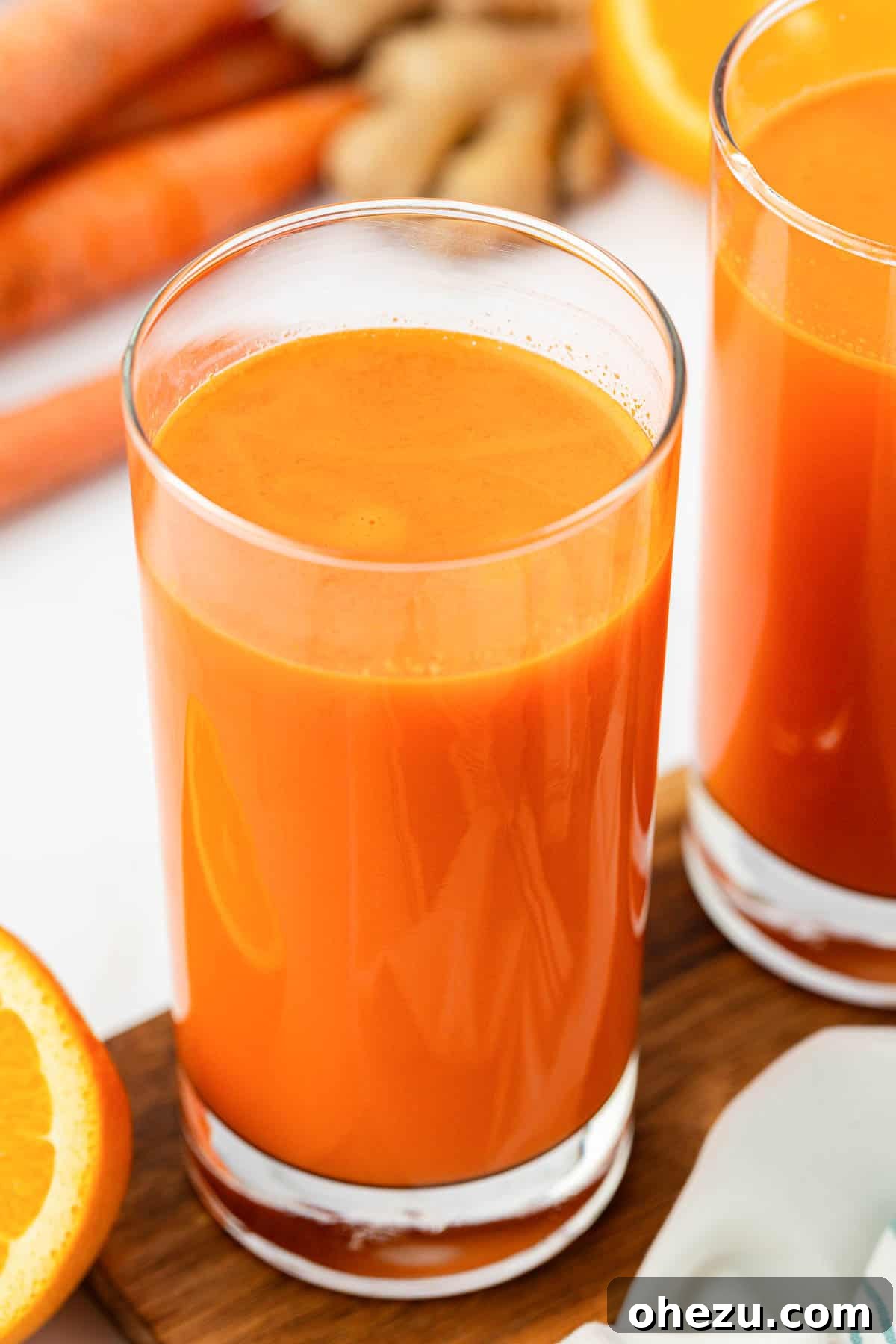
This homemade Carrot Juice Recipe is packed with vitamin C and made with just 3 ingredients: carrots, oranges, and fresh ginger.
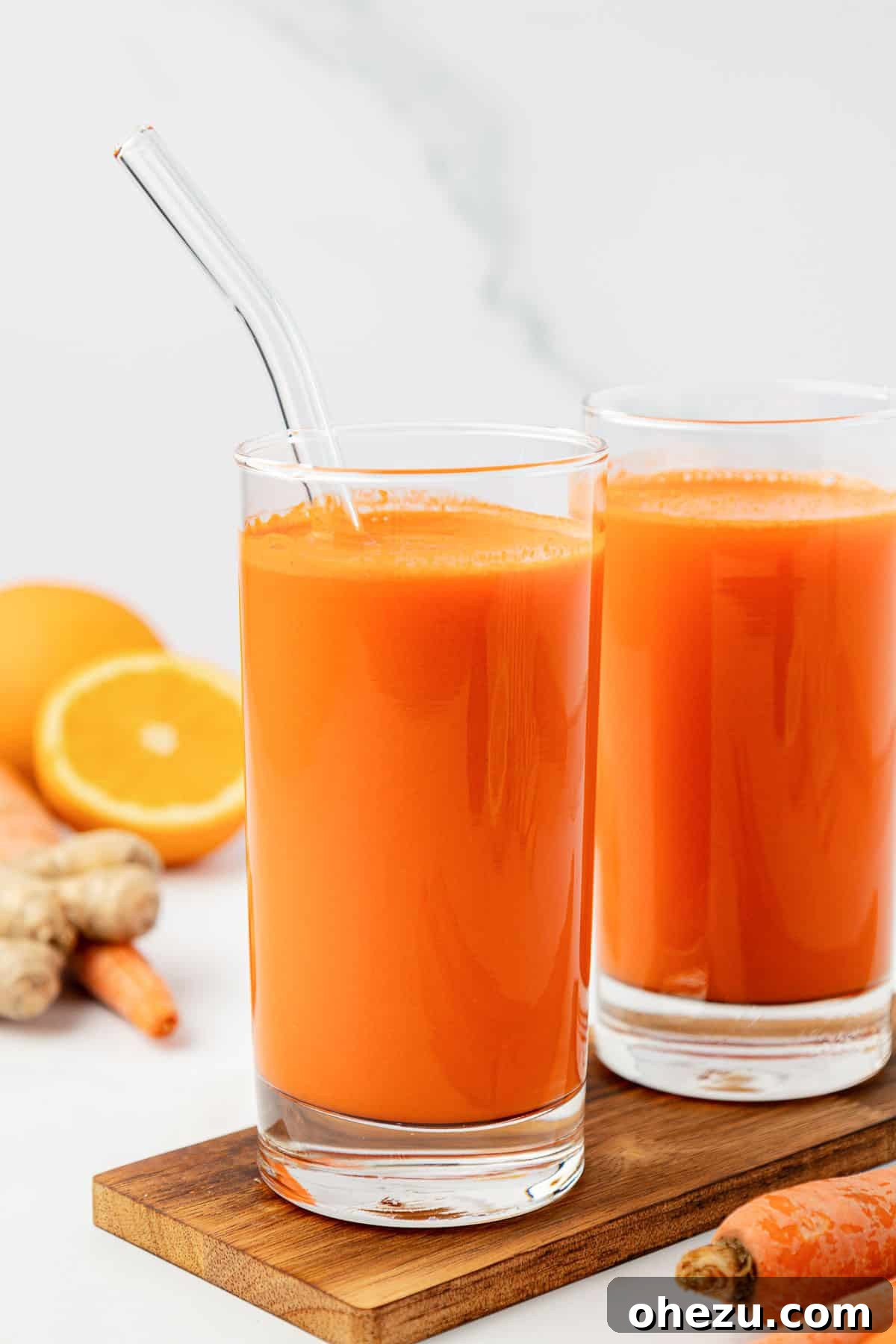
Why This Carrot Juice Will Be Your New Favorite
There’s a reason carrot juice has been a beloved staple in healthy lifestyles for generations. It’s incredibly versatile, naturally sweet, and offers a wealth of benefits that few other drinks can match. This particular recipe elevates the classic carrot juice by introducing the bright, citrusy notes of oranges and a warm, invigorating kick from fresh ginger. The result is a harmonious blend that is not only exceptionally palatable but also a true nutritional powerhouse. Whether you’re a seasoned juicing enthusiast looking for a new go-to or just beginning your journey into the world of fresh, homemade beverages, this simple recipe is guaranteed to impress with its ease of preparation and phenomenal, refreshing taste.
Embracing the Benefits of Fresh Juicing
For me, juicing has transformed into an indispensable component of my daily self-care routine. I make it a priority to prepare fresh juice at least three to four times a week, often more, as a fantastic way to supplement my daily intake of essential fruits and vegetables. While I firmly believe in the importance of whole foods and never advocate for replacing full meals with juice, I have personally discovered that integrating fresh juices into my lifestyle significantly boosts my energy levels, enhances my overall well-being, and provides a concentrated dose of vitamins, minerals, and live enzymes that are hard to achieve otherwise.
My profound appreciation for carrot juice dates back to my teenage years. I distinctly recall purchasing immense 25-pound bags of carrots from the local grocery store, often prompting curious glances and playful remarks from cashiers who would jokingly ask if I owned a horse! Carrots are incredibly forgiving in juice recipes, offering a natural, earthy sweetness and a robust nutritional profile that complements almost any other fruit or vegetable you might choose to add. Their abundant beta-carotene content, which the body converts into Vitamin A, makes them a standout ingredient, particularly celebrated for supporting eye health, promoting radiant skin, and bolstering the immune system.
Unlocking the Health Benefits of Carrot Juice
This homemade carrot juice is more than just a tasty beverage; it’s a concentrated source of goodness brimming with advantages for your health. Here’s a closer look at what makes this simple juice so profoundly beneficial:
- Exceptional Source of Vitamin A: Carrots are famously rich in beta-carotene, a powerful antioxidant that your body efficiently converts into Vitamin A. This essential nutrient is critical for maintaining healthy vision, particularly in low-light conditions, and plays a vital role in supporting robust immune function and promoting the regeneration of healthy skin cells.
- Immune System Support: Beyond the impressive Vitamin A content, the combination of carrots and oranges provides a significant dose of Vitamin C. This potent antioxidant actively strengthens your immune system, helping your body to effectively ward off infections and accelerate recovery from illness. Furthermore, fresh ginger contributes its own well-documented anti-inflammatory and immune-boosting properties to the mix.
- Glowing Skin and Hair: The high concentration of antioxidants in carrot juice helps protect your skin cells from damage caused by harmful free radicals and environmental stressors. Vitamin A is crucial for cellular repair and renewal, contributing to a healthy, vibrant, and radiant complexion. Regular consumption can also support stronger hair and nails, reflecting overall internal health.
- Digestive Health: While the juicing process removes much of the insoluble fiber, the enzymes and nutrients present in carrot juice can still play a role in supporting a healthy digestive system. Ginger, in particular, is renowned for its digestive benefits, known to help soothe upset stomachs, reduce nausea, and alleviate indigestion.
- Potent Antioxidant Powerhouse: Carrots are packed with various antioxidants, including a wide array of carotenoids, which are vital for combating oxidative stress throughout the body. This protective action can help reduce the risk of chronic diseases and support overall cellular integrity and health.
- Cardiovascular Wellness: The potassium naturally found in carrots contributes significantly to maintaining healthy blood pressure levels. Coupled with their rich antioxidant profile, these nutrients can help in reducing cholesterol and improving overall cardiovascular function, supporting a healthy heart.
Incorporating this vibrant, nutrient-dense carrot juice into your regular diet is a remarkably simple yet highly effective way to nourish your body, boost your vitality, and enhance your well-being from the inside out.
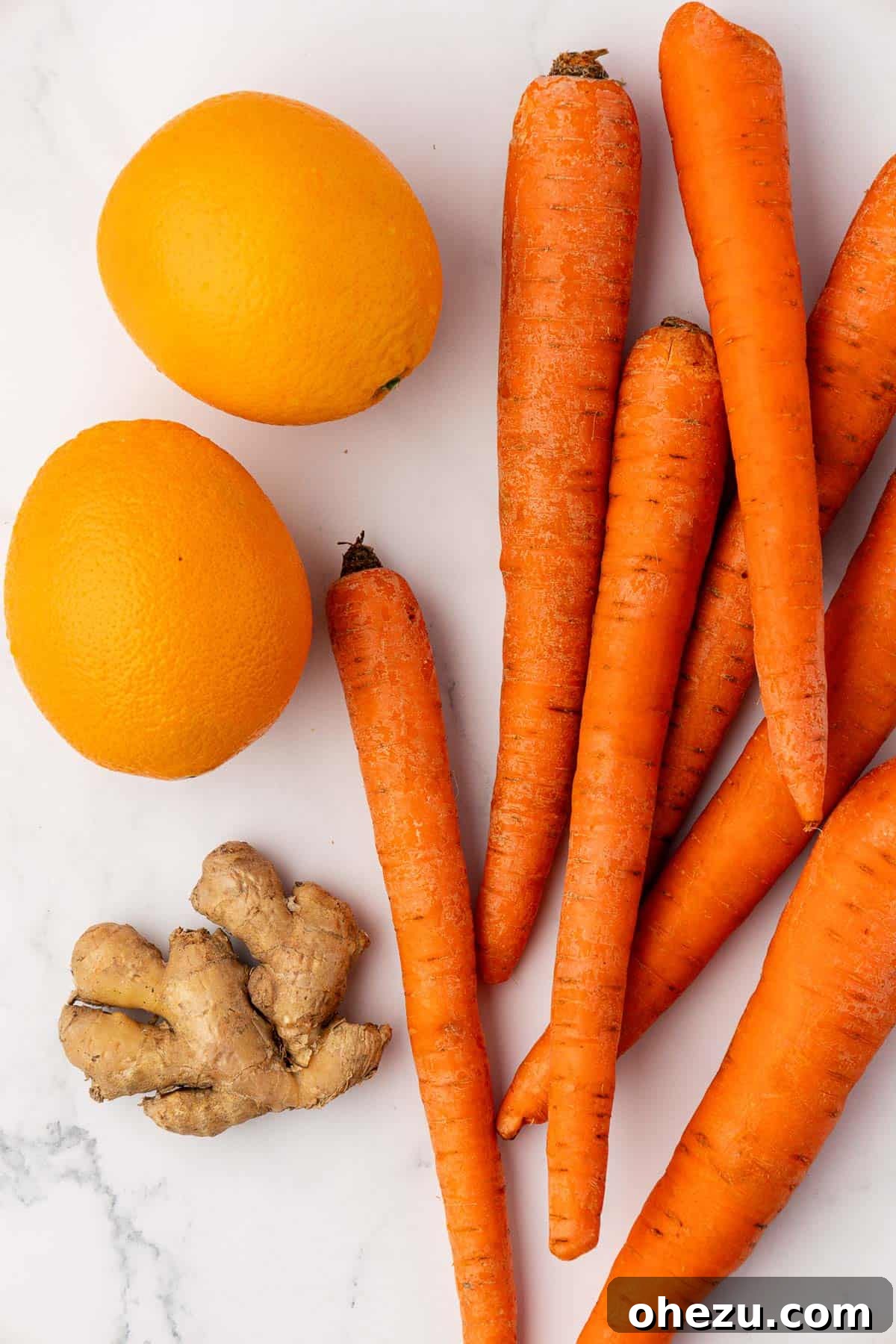
Essential Ingredients for Your Carrot Juice
The true elegance of this carrot juice recipe lies in its beautiful simplicity, requiring just three fresh, high-quality, and wholesome ingredients. While the precise measurements are conveniently detailed in the comprehensive recipe card located at the bottom of this post, here’s a brief yet thorough overview of each component and why it plays a crucial role in creating this deliciously balanced blend:
- Carrots: These are undeniably the star of our show! When selecting carrots, aim for ones that are firm, smooth, and exhibit a vibrant, bright orange hue. Whether you opt for conventional or organic varieties, the key is freshness – ensure they are free from any soft spots, cracks, or excessive discoloration. Carrots provide the essential base sweetness, the signature vibrant color, and an incredibly generous dose of beneficial beta-carotene.
- Oranges: Adding oranges to this recipe introduces a delightful tropical sweetness and a powerful burst of immune-boosting Vitamin C, significantly enhancing both the flavor complexity and the nutritional profile of the juice. For the best results, choose navel or Valencia oranges that feel heavy for their size; this is a reliable indicator that they are exceptionally juicy and ripe.
- Fresh Ginger: Even a small piece of fresh ginger can make a remarkable difference! It introduces a wonderfully refreshing, slightly spicy, and aromatic ‘zing’ that perfectly complements and balances the natural sweetness of the carrots and oranges. Beyond its unique flavor, ginger is widely celebrated for its potent anti-inflammatory properties and its ability to aid in digestion, making it a fantastic addition for both taste and health.
Selecting and Preparing Your Produce for Juicing
The overall quality of your ingredients directly influences both the exquisite taste and the rich nutrient content of your freshly made juice. To ensure you’re getting the most out of every glass, follow these expert tips for selecting and preparing the finest produce:
Choosing the Freshest Produce:
- Carrots: When choosing carrots, always look for those that are firm to the touch, smooth-skinned, and boast a brilliant orange color. Steer clear of any carrots that feel rubbery, appear cracked, or have noticeable green shoulders, as these can indicate bitterness or a lack of freshness. If your budget and preference allow, opt for organic carrots to minimize exposure to pesticides, especially if you decide to juice them without peeling.
- Oranges: Select oranges that feel notably heavy for their size; this is a strong indicator of high juice content. The skin should be smooth, firm, and uniformly colored, without any soft spots, mold, or significant discoloration.
- Ginger: For fresh ginger root, choose pieces that are firm, taut, and smooth. Avoid any ginger that looks wrinkled, shriveled, or has soft, moldy areas. A strong, fresh, and slightly pungent aroma is a good sign of quality and potency.
Preparing for Juicing:
- Carrots: Begin by rinsing your carrots thoroughly under cold running water to remove any loose dirt. While peeling carrots is entirely optional, I often choose to peel mine when aiming for an exceptionally smooth juice, or if they are not organic or have slightly blemished skin. If you decide not to peel, ensure you scrub them very well with a stiff vegetable brush to remove all soil and impurities.
- Oranges: It is crucial to always peel your oranges completely before juicing. The white pith, located just beneath the colorful peel, can impart a distinctly bitter flavor to your juice. Additionally, many juicers can struggle with the tough outer rind. Once peeled, cut your oranges into quarters or smaller pieces, depending on the size and type of your juicer’s feeding chute.
- Ginger: Easily peel the ginger root using the edge of a spoon or a standard vegetable peeler to remove its thin skin. The skin can be quite tough and fibrous. After peeling, cut the ginger into smaller, manageable pieces that can easily pass through your juicer without causing strain.
How to Make This Refreshing Carrot Juice
Crafting delicious and wholesome fresh carrot juice right in your own kitchen is an incredibly straightforward process, especially when you have a reliable juicer at hand. Here’s a detailed, step-by-step guide to help you create this invigorating beverage:
- Prepare Your Ingredients: As outlined in the previous section, the first crucial step is to meticulously prepare your produce. Begin by washing your carrots thoroughly. You have the option to peel them for a silky-smooth juice, or simply scrub them clean if you prefer. Next, peel your oranges entirely, making sure to remove all of the bitter white pith, then cut them into manageable quarters. Finally, peel your fresh ginger root and slice it into smaller pieces suitable for your juicer.
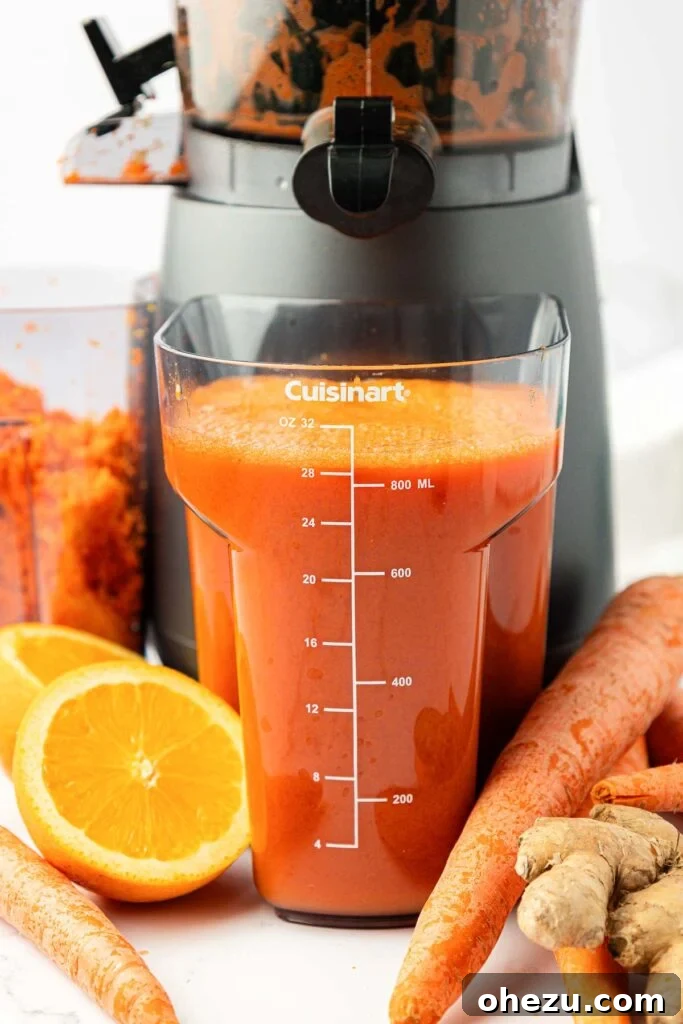
- Juice All Ingredients: Once your ingredients are prepped, turn on your juicer. Begin feeding the prepared carrots, oranges, and ginger through the juicer’s chute. It’s often beneficial to alternate between the different ingredients – for instance, a carrot, then an orange piece, then ginger, and so on. This technique helps ensure maximum juice extraction and can prevent the juicer from getting clogged. Watch with satisfaction as the vibrant, golden-orange liquid flows into your collection pitcher!
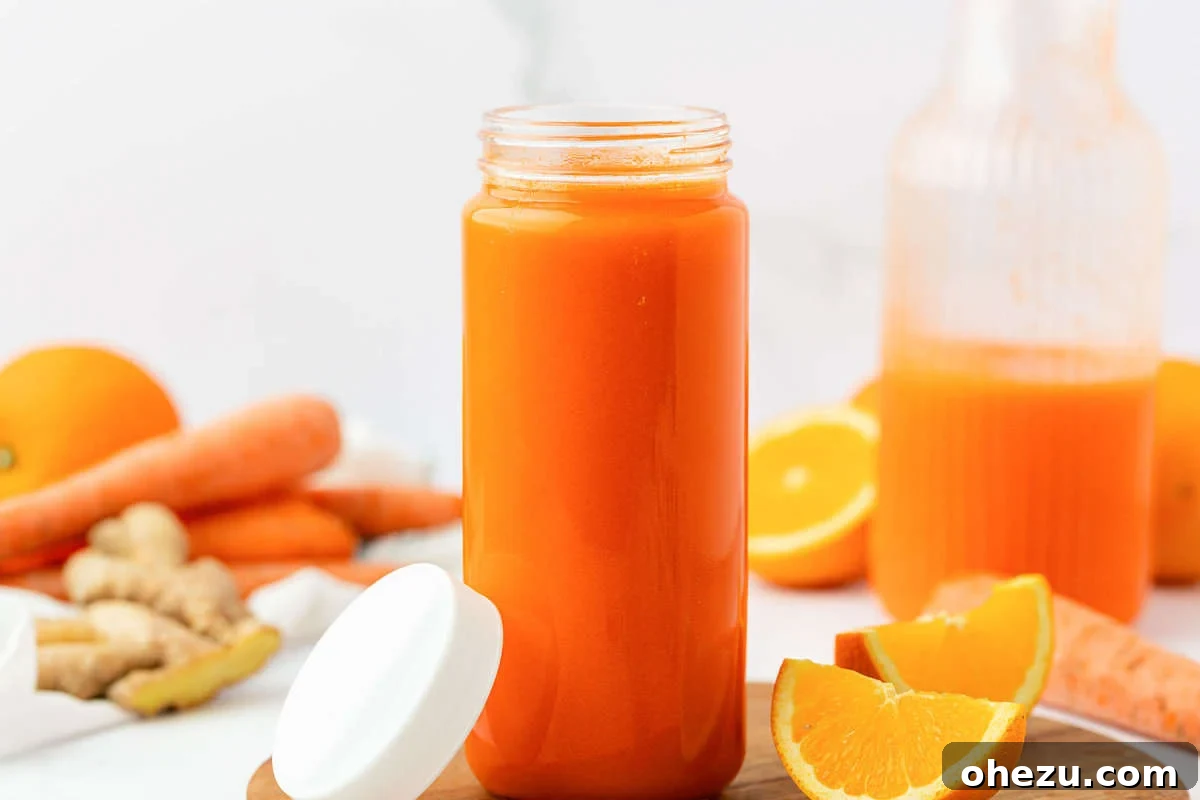
- Serve Immediately or Store: For the absolute freshest taste, optimal nutritional potency, and the highest concentration of live enzymes, it is always recommended to enjoy your homemade carrot juice immediately after it’s made. If you happen to have any leftovers, promptly pour the juice into an airtight glass jar or bottle and seal it tightly. Store it in the refrigerator to maintain its freshness.
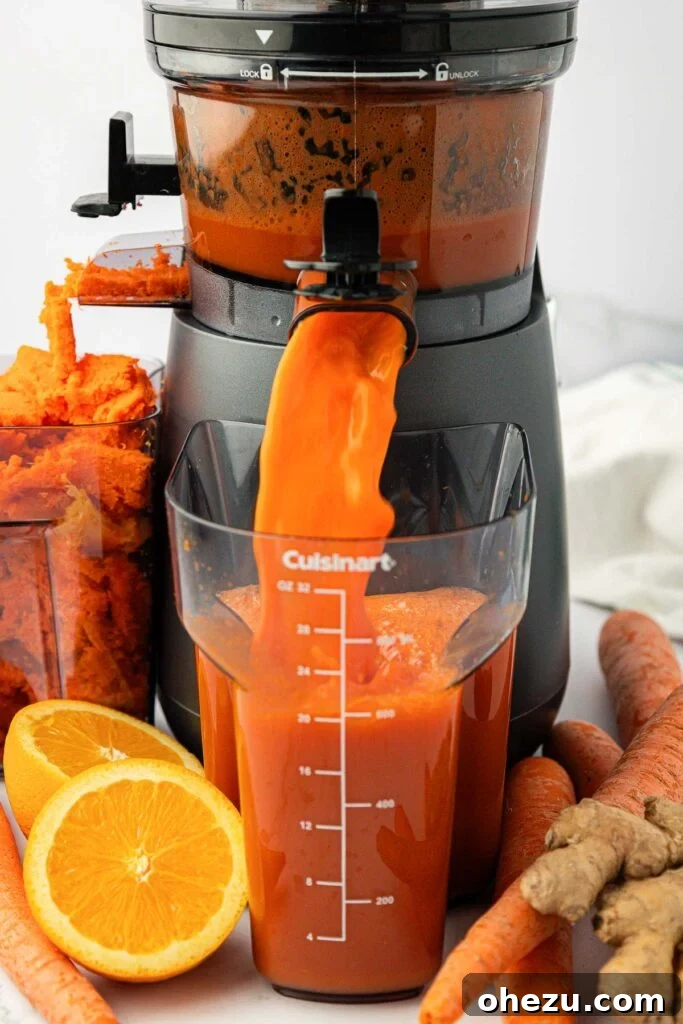
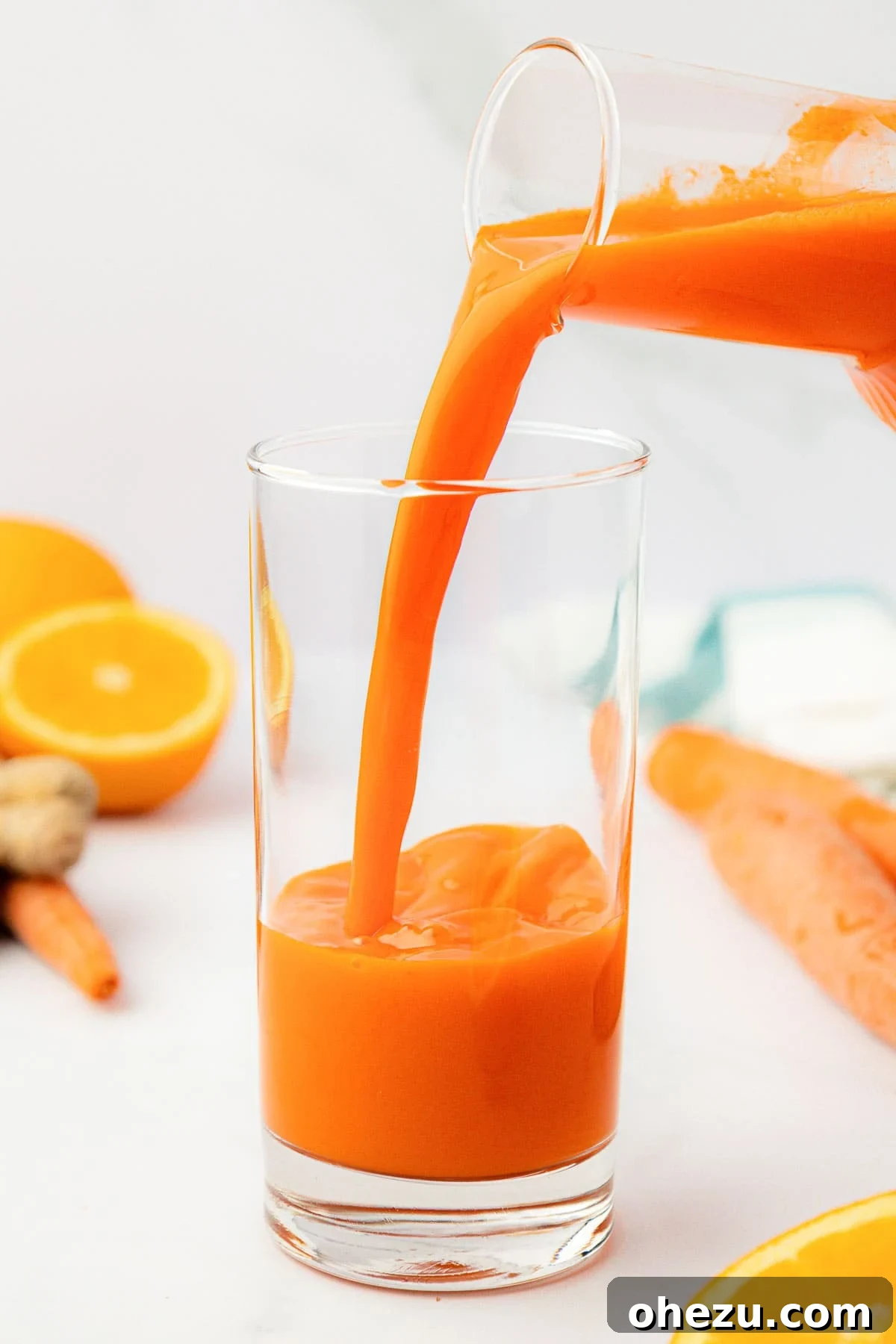
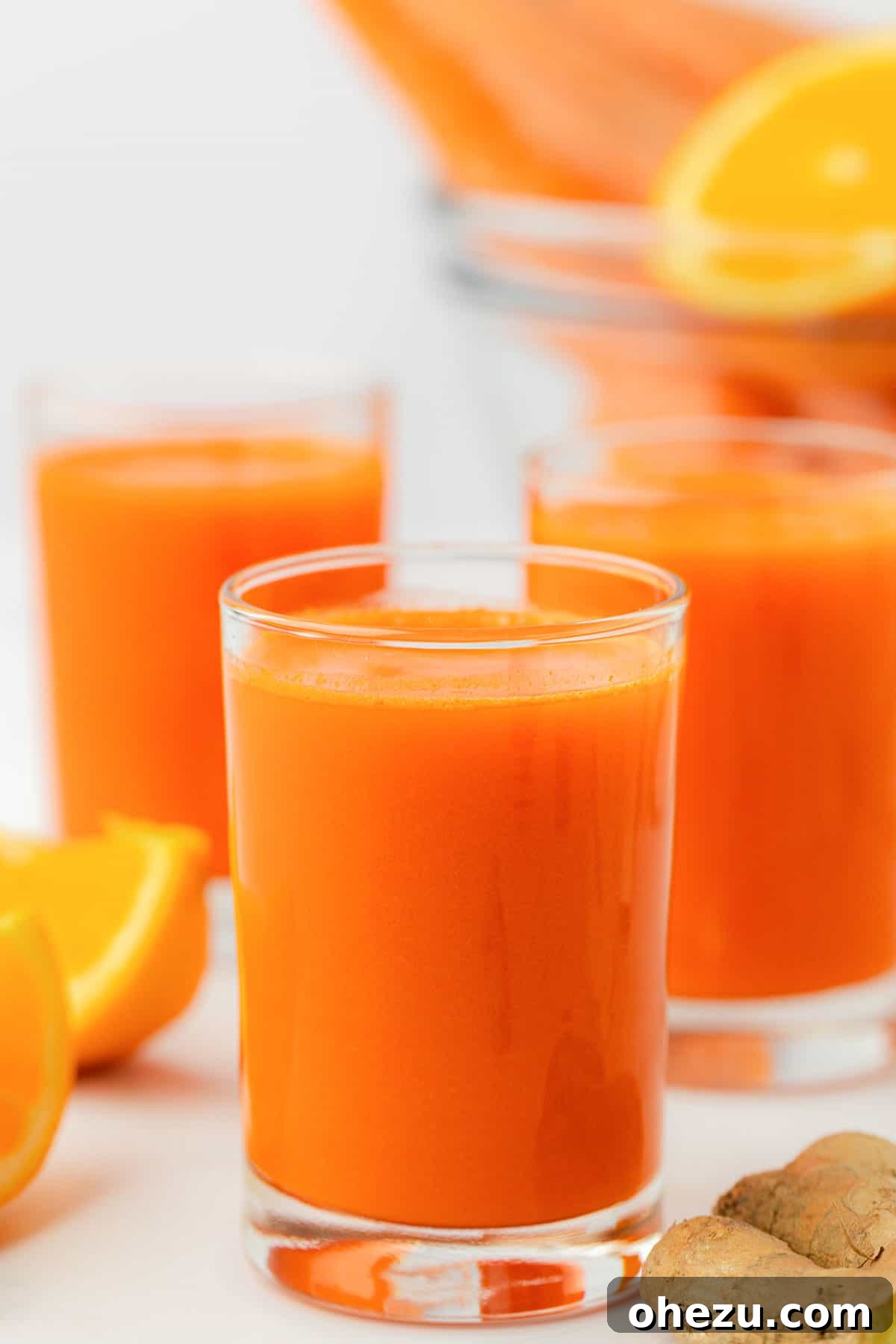
The exquisite combination of the natural tropical sweetness from the oranges and the fresh, invigorating, slightly spicy kick from the ginger truly elevates this carrot juice into something extraordinary and wonderfully refreshing. It’s a taste experience that’s both invigorating and deeply satisfying!
Carrot Juice FAQs: Your Questions Answered
While fresh carrot juice offers fantastic health benefits, it’s generally recommended to consume it in moderation, especially if it’s the only type of juice you drink daily. Carrots are exceptionally high in beta-carotene, and an excessive intake of this compound can lead to a harmless but noticeable condition known as carotenemia. This condition can temporarily give your skin a yellowish or orangish hue. To avoid this, consider diversifying your juice routine throughout the week, incorporating a variety of other vegetable and fruit juices. Always listen to your body, and if you have specific concerns about daily intake or any underlying health conditions, it’s always best to consult with your doctor or a registered nutritionist.
Drinking carrot juice provides a highly concentrated dose of almost all the essential vitamins, minerals, and live enzymes found in whole carrots. However, the most significant difference between the two is the fiber content. Juicing primarily separates the liquid components from the insoluble fiber (the pulp). While you still retain some soluble fiber in the juice, the bulk of the beneficial insoluble fiber is removed. Whole carrots, on the other hand, offer abundant dietary fiber, which is crucial for maintaining optimal digestive health, regulating blood sugar levels, and promoting feelings of fullness and satiety. Both juicing and eating whole carrots offer distinct benefits and can certainly be integral parts of a well-rounded and balanced diet.
Absolutely do not discard that nutritious pulp! It remains packed with dietary fiber and a good portion of beneficial nutrients. You can creatively incorporate carrot pulp into a variety of recipes, such as adding it to muffins, quick breads, homemade vegetable broth for added depth, or even blending it into savory patties. Alternatively, it makes an excellent addition to your compost bin, enriching your garden soil. If you have pets, some pulp can even be added to their food, but always consult with your veterinarian first to ensure it’s appropriate for their specific dietary needs. Reducing food waste is always a commendable and sustainable practice!
When it comes to juicing carrots, both centrifugal (fast) and masticating (slow) juicers perform admirably. Centrifugal juicers are generally quicker and more budget-friendly, making them an excellent choice for beginners or those with limited counter space. Masticating (or slow) juicers operate at a lower speed, which can result in a higher yield of juice and potentially better preservation of delicate nutrients due to less heat and oxidation during the process. If you plan to juice frequently, want to maximize nutrient extraction, and are willing to invest more, a masticating juicer is often considered a superior choice. However, for occasional juicing or a simple start, a centrifugal model is perfectly adequate and will yield delicious results.
Yes, absolutely! While a dedicated juicer is undeniably the most efficient tool, you can still create wonderful carrot juice using a high-speed blender. To do this, simply chop your carrots, oranges, and ginger into small, manageable pieces. Place them into your blender with a minimal amount of water – just enough to help the blades move and create a smooth consistency. Blend the mixture thoroughly until it reaches a smooth puree. Then, carefully strain the blended liquid through a fine-mesh sieve, a specialized nut milk bag, or several layers of cheesecloth to separate the pure juice from the pulp. This method requires a bit more manual effort, but it successfully yields a delicious and nutrient-rich result.
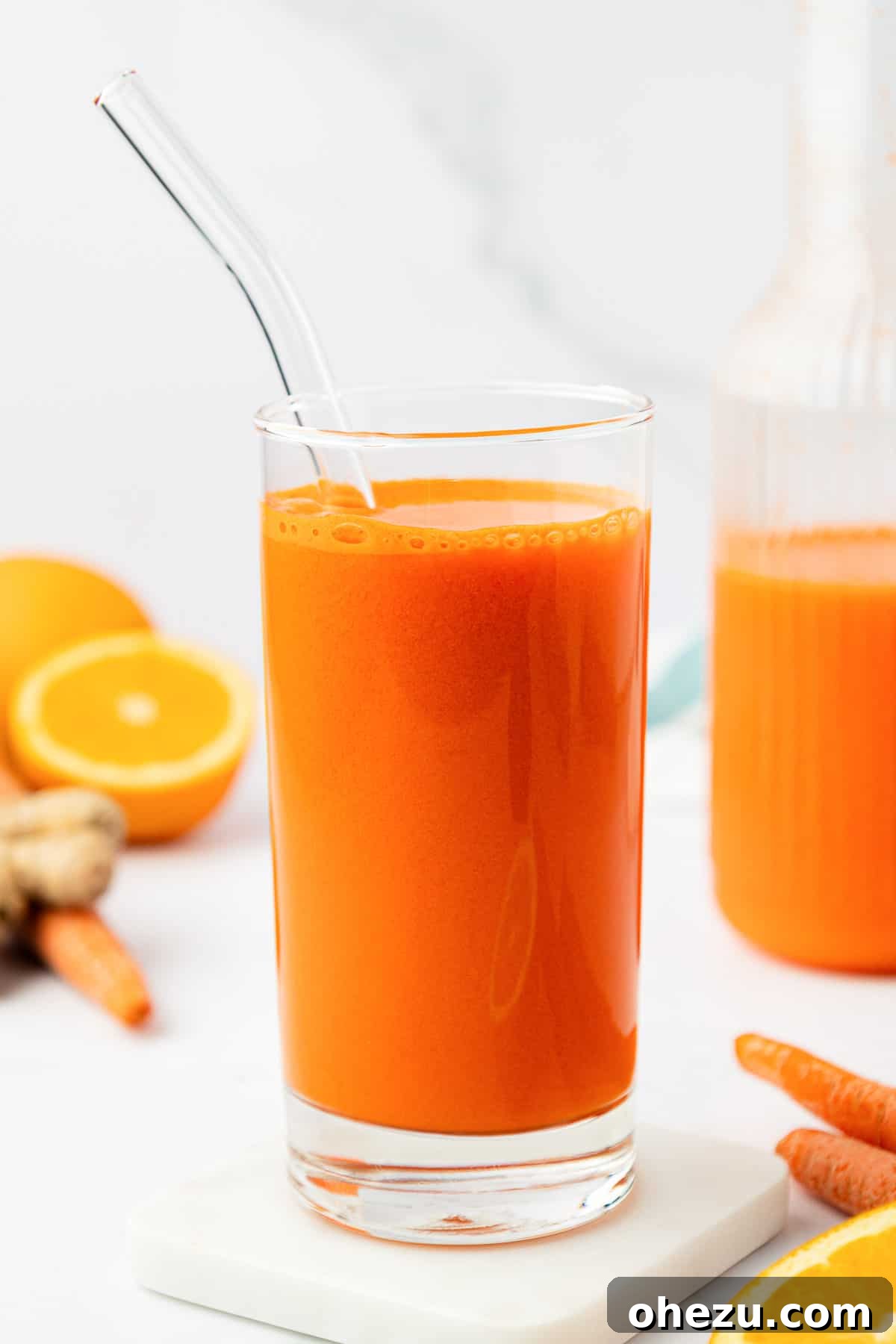
As I mentioned earlier, I typically enjoy a carrot-centric juice, such as this vibrant recipe, about once a week to ensure a balanced intake of beta-carotene and other potent nutrients. For my other juicing endeavors, I often incorporate a handful of 4-5 carrots into a broader, more diverse blend of various fruits and vegetables. This approach ensures I benefit from a wide spectrum of flavors and nutrients, promoting holistic well-being without over-consuming any single compound. It’s all about variety and balance in your juicing journey!
Tips for Storing Your Freshly Made Juice
While the purest essence and highest nutritional potency of fresh juice are best experienced when consumed immediately, it is certainly possible and practical to prepare it ahead of time. Proper storage techniques are crucial for maximizing its freshness, maintaining its delightful flavor, and preserving its valuable nutrient content:
- Utilize Airtight Containers: Always store your freshly prepared juice in an airtight glass jar or bottle equipped with a tight-fitting lid. This is paramount for minimizing the juice’s exposure to oxygen, which is the primary culprit behind oxidation and the degradation of delicate nutrients and flavors.
- Fill to the Brim: Whenever possible, try to fill your storage container as close to the brim as possible. This simple action further reduces the amount of air trapped inside, thereby slowing down the oxidation process and helping to keep your juice fresher for longer.
- Refrigerate Immediately: As soon as your juice is made, it’s vital to transfer it to the refrigerator without delay. Keeping it consistently chilled at a low temperature is essential for slowing down the growth of bacteria and minimizing oxidative damage to its beneficial compounds.
- Understand Shelf Life: Fresh homemade carrot juice can typically be safely stored in the refrigerator for a period of 24 to 48 hours. However, for the absolute best taste experience and to ensure maximum nutrient retention, I strongly recommend consuming your juice within 24 hours of its preparation. Beyond this timeframe, while it may still be safe to drink, some nutrient loss and a slight alteration in flavor profile might occur.
Preparing your juice in convenient batches can be an excellent time-saver, especially for individuals with busy schedules, allowing you to easily enjoy healthy, vibrant, and homemade beverages throughout your week.
Explore More Refreshing Juicing Recipes
If you’ve enjoyed this carrot juice recipe and are eager to continue your juicing adventure, be sure to explore some of our other fantastic and healthy blends:
- Kale Juice
- Immunity Shots
- The Best Celery Juice
- Vegetable Juice
- Spinach Juice
- Carrot Orange Juice
- Pineapple Cucumber Juice
- Green Apple Juice
- Best Green Juice Recipe
- Cucumber Juice
- Beet and Carrot Juice

Carrot Juice
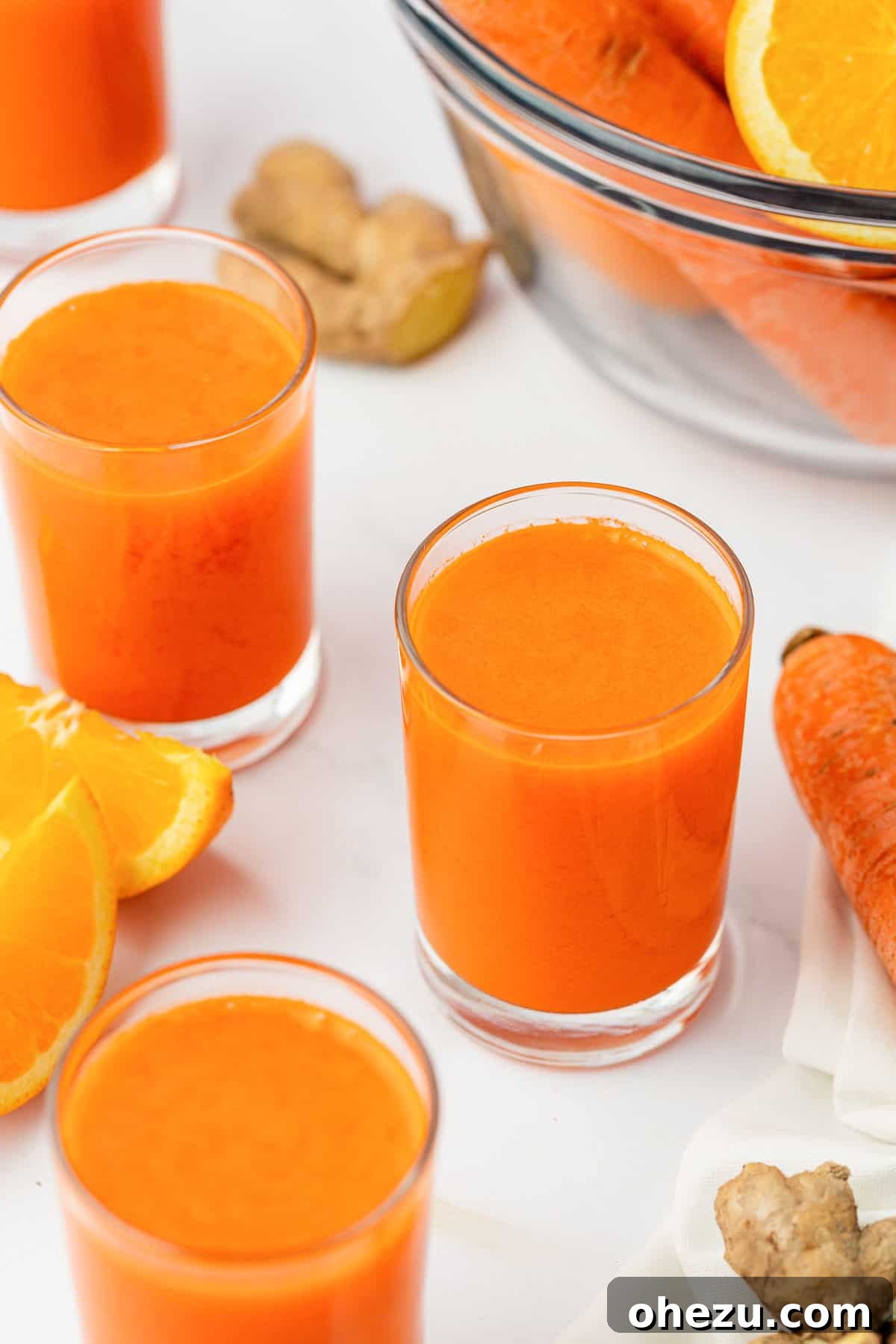
This homemade carrot juice is a vibrant, refreshing, and incredibly nutritious beverage. Made with just three simple ingredients – carrots, oranges, and fresh ginger – it’s a powerhouse of vitamins and antioxidants, perfect for boosting your health and invigorating your senses. It’s quick to prepare and a delicious way to incorporate more goodness into your day!
By: Joy Shull
Prep Time: 10 mins
Total Time: 10 mins
Yields: Approximately 20 oz
Ingredients
- 2 lbs carrots, rinsed and scrubbed (or peeled for a smoother taste)
- 2 large oranges, peeled and quartered
- 1 inch fresh ginger, peeled
Instructions
- Prepare Ingredients: Thoroughly wash your carrots. You can peel them for an extra smooth juice, or simply scrub them clean to remove any dirt. Peel your oranges entirely, removing all the bitter white pith, then cut them into quarters that fit your juicer’s chute. Finally, peel the fresh ginger root.
- Juice All Ingredients: Turn on your juicer. Carefully feed the prepared carrots, oranges, and ginger through the juicer, alternating between the different ingredients to ensure optimal juice extraction. Collect the fresh juice in a pitcher or glass.
- Serve or Store: For the best flavor and maximum nutrient retention, serve the juice immediately. If you have any leftover, pour it into an airtight glass jar and store it in the refrigerator for up to 24-48 hours.
Nutrition (per 10 oz serving, approximate)
- Serving: 10oz
- Calories: 250 kcal
- Carbohydrates: 60g
- Protein: 6g
- Fat: 1g
- Saturated Fat: 0.2g
- Polyunsaturated Fat: 1g
- Monounsaturated Fat: 0.1g
- Sodium: 313mg
- Potassium: 1703mg
- Fiber: 16g
- Sugar: 34g
- Vitamin A: 76072 IU
- Vitamin C: 97mg
- Calcium: 203mg
- Iron: 2mg