
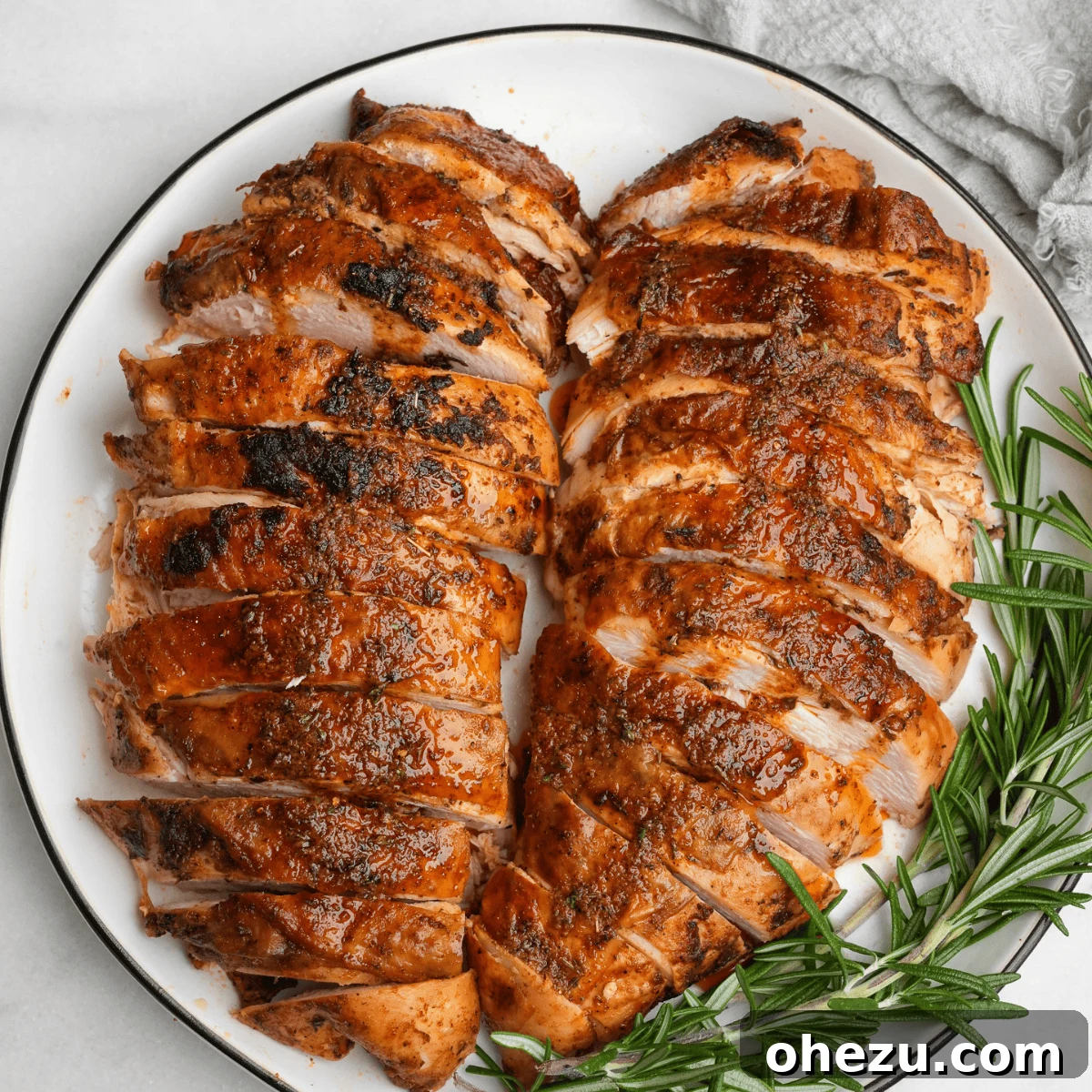
Prepare to make the most incredible Cajun Turkey of your life with absolute confidence! This recipe is designed to be extra juicy, foolproof, and completely stress-free, making it accessible and enjoyable even for first-time cooks. It’s truly the perfect show-stopping centerpiece for your Thanksgiving table or any special holiday gathering.
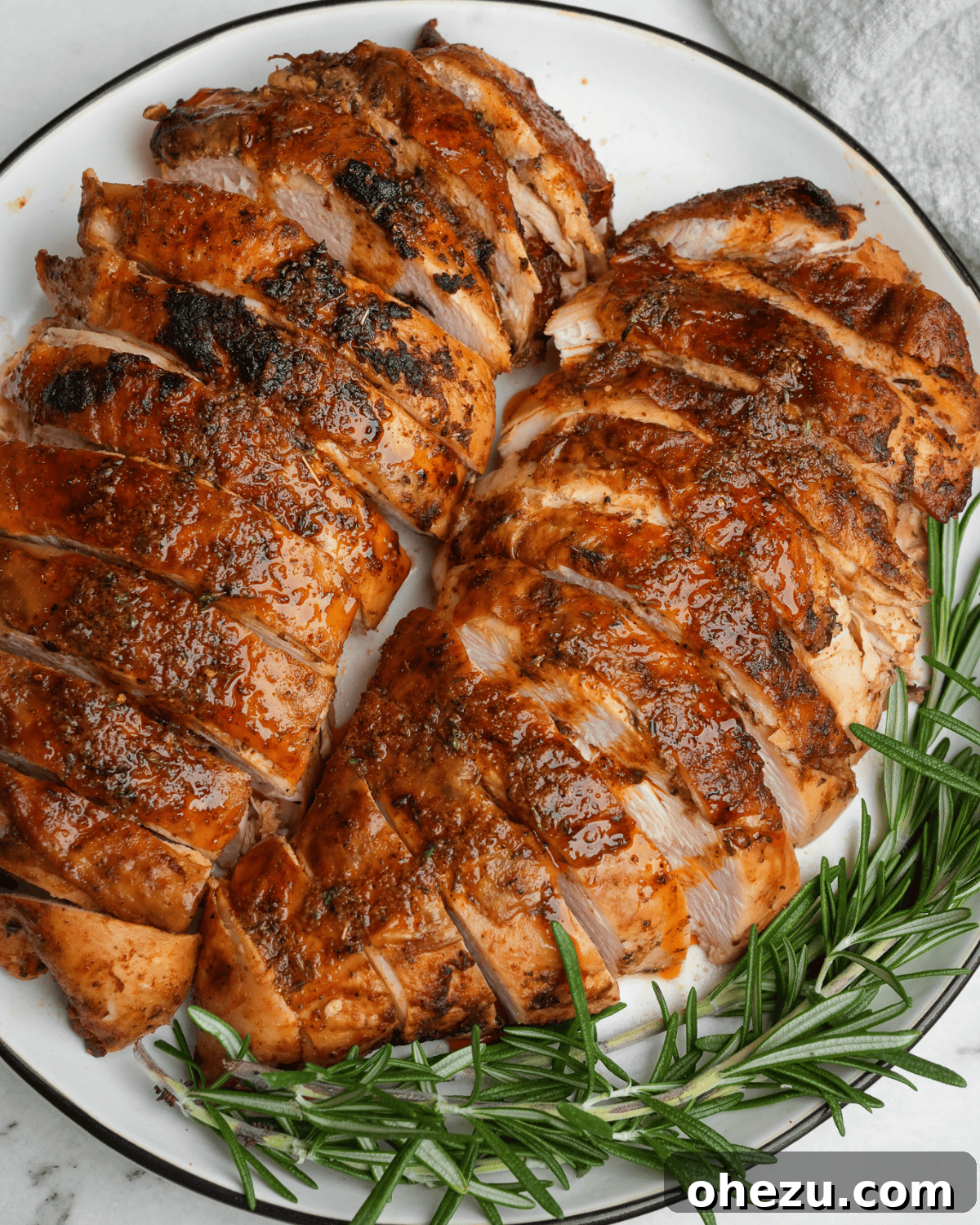
Complement your flavorful Cajun Turkey with these popular Thanksgiving side dishes: try the creamy Tini’s Macaroni and Cheese, a comforting Southern Sweet Potato Casserole, fluffy Honey Butter Cornbread, rich Cheesy Jiffy Corn Casserole, or elegant Scalloped Potatoes.
Thanksgiving Cajun Turkey: A Masterpiece of Flavor and Juiciness
Forget store-bought options and get ready to truly impress your guests with a perfectly juicy, tender turkey coated in an irresistible homemade Cajun butter. This outstanding Cajun turkey recipe is crafted from scratch, ensuring a depth of flavor that’s unparalleled. My secret method involves brining the turkey a day ahead to guarantee moisture from the inside out, then generously slathering it in a rich, herby Cajun butter blend. Finally, it’s roasted to golden-brown perfection, promising an easy, reliable process that culminates in an amazing turkey. This year, you can confidently serve a show-stopping bird that will be the highlight of your holiday feast.
Why This Cajun Turkey Recipe Stands Out:
- Perfectly Brined: This recipe mandates brining a day in advance, a crucial step that infuses the turkey with incredible moisture and seasoning, ensuring every bite is tender and flavorful. Don’t skip this planning step for optimal results.
- Big, Bold Cajun Flavor: Experience a truly exceptional taste from the carefully chosen brine and the homemade Cajun butter. This aromatic butter is generously applied both under and over the skin, delivering a savory, slightly spicy, and deeply satisfying flavor profile that distinguishes it from traditional roasts.
- Stress-Free and Approachable: Designed with simplicity in mind, this recipe removes the intimidation often associated with roasting a whole turkey. Its clear, step-by-step instructions make it incredibly easy and approachable, even for those attempting their first holiday bird.
- Extremely Juicy and Tender: Thanks to the brining process and the strategic application of butter, this turkey consistently turns out exceptionally moist and tender. Say goodbye to dry, bland turkey forever!
- Seriously Hard to Mess Up: With its foolproof method, even novice cooks can achieve professional-level results. Follow these simple guidelines, and you’re guaranteed a delicious, perfectly cooked turkey every time.
Essential Ingredients for Your Cajun Turkey:
While the list of ingredients for this Thanksgiving Cajun turkey is relatively straightforward, each component plays a vital role in achieving its signature flavor and texture. Quality ingredients truly make a difference in the final dish.
Main Ingredients:
- Turkey: You can opt for a whole turkey or focus on bone-in turkey breasts. For larger gatherings, I often prepare a whole turkey alongside an additional turkey breast, as white meat is typically preferred by more guests. Ensure your turkey is completely thawed if frozen, allowing one day of thawing per 4-5 pounds in the refrigerator.
- Brine: My go-to recommendation for an unparalleled flavor is Kosmos brine, readily available on Amazon. However, if you prefer a homemade option, my popular recipe consists of a blend of water, kosher salt, brown sugar, Worcestershire sauce, fresh garlic cloves, and black pepper. Brining is a non-negotiable step for a truly juicy turkey.
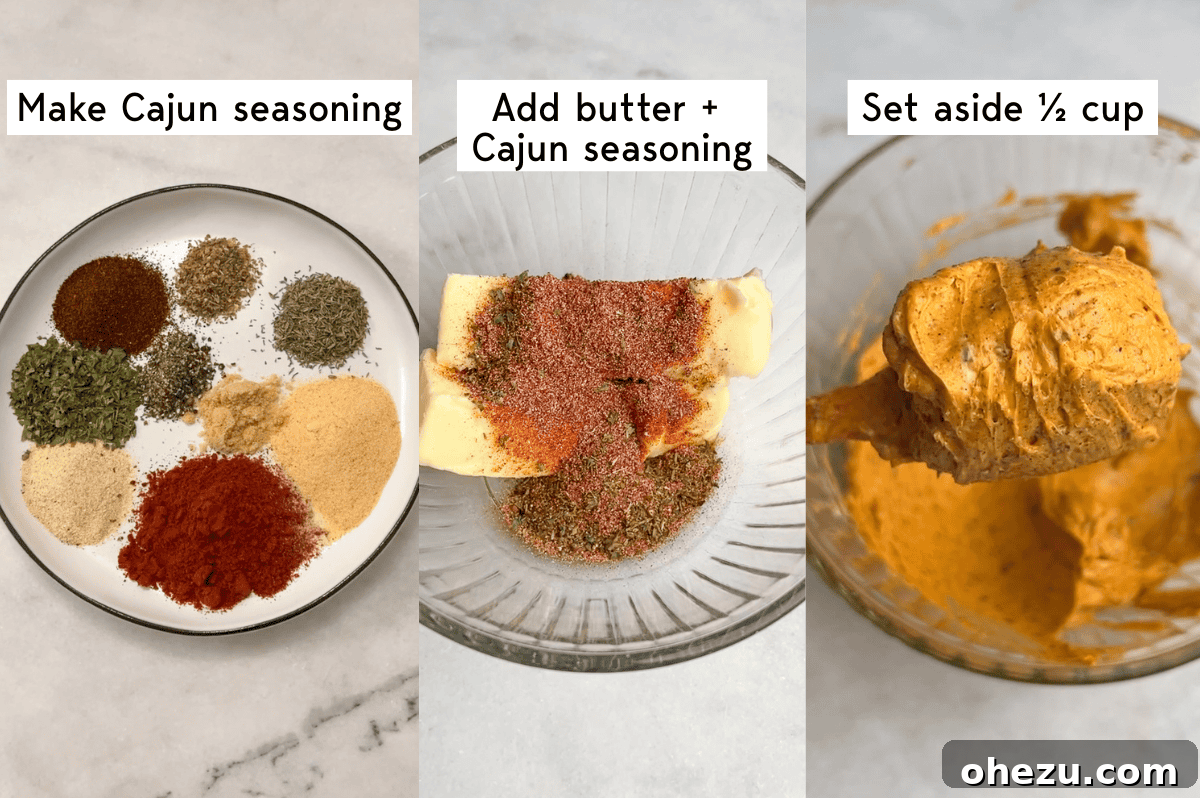
- Cajun Seasoning: This is the heart of our turkey’s flavor. My homemade blend offers a bold, savory profile with a perfect kick of heat that isn’t overwhelmingly spicy. It’s a carefully balanced mix of garlic powder, onion powder, smoked paprika, chili powder, dried thyme, dried oregano, cayenne pepper, a touch of brown sugar, salt, and freshly ground black pepper.
- Butter: You’ll need several sticks of high-quality salted butter, brought to room temperature. Butter is crucial for both flavor and creating that coveted crispy, golden skin. Room temperature butter is easier to work with and ensures even distribution.
- Olive Oil: A small amount of olive oil is used in conjunction with the butter. It aids in browning the turkey beautifully and contributes to an even crispier skin. Furthermore, if the butter becomes too cold and difficult to spread, a little olive oil can help it adhere smoothly to the turkey’s surface.
Homemade Cajun Seasoning Blend:
For those who love to customize their spices, here’s my recipe for a fantastic Cajun seasoning:
- 2 tablespoons mild paprika
- 2 teaspoons salt
- 3 teaspoons garlic powder
- 2 teaspoons onion powder
- 2 teaspoons chili powder (adjust to your heat preference)
- 1.5 teaspoons dried thyme
- 1 teaspoon dried oregano
- 1 teaspoon brown sugar (for a hint of sweetness and deeper browning)
- 1.5 teaspoons cayenne pepper (adjust to your heat preference)
- 1/2 teaspoon cracked black pepper
Combine all ingredients thoroughly and store in an airtight container. This blend offers a balanced flavor that enhances without overpowering.
Homemade Brine Recipe:
If you opt for a homemade brine, this recipe is perfect (halve for a bone-in turkey breast):
- 2 gallons of water
- 1.5 cups canning or kosher salt (do not use table salt)
- 1/3 cup brown sugar
- 1/4 cup Worcestershire sauce
- 10 large garlic cloves, smashed
- 1 tablespoon black pepper
Mix all ingredients in a large food-grade container or a brining bag. Ensure the turkey is fully submerged. Brine for 1 hour per pound of turkey. After brining, discard the brine, rinse the turkey thoroughly, and pat it completely dry before refrigerating for 6-8 hours to further dry the skin.
Essential Tools for a Successful Thanksgiving Turkey:
Having the right equipment can significantly ease the turkey roasting process and contribute to a more successful outcome. Here’s a list of tools you’ll need and why they’re important:
- Brining Solution or Mix: Whether you choose the highly-rated Kosmos brine or prefer to make your own, a quality brine is foundational for a juicy turkey. I personally vouch for Kosmos based on consistent rave reviews from family and friends.
- Brining Bags or Tub: Brining bags are convenient, especially if you lack large containers. I often place a brining bag inside my roasting tray. Alternatively, a deep brining tub with a lid provides a sturdy vessel. For bags, you might need zip ties to cinch them snug and ensure the turkey is fully submerged.
- Meat Thermometer: In addition to any pop-up thermometer your turkey might come with, an accurate instant-read meat thermometer is indispensable. It allows you to verify the internal temperature at the thickest part of the thigh, guaranteeing the turkey is cooked to a safe and juicy doneness without being overcooked.
- Butcher’s Twine: If preparing a whole turkey, food-grade butcher’s twine is used to tie the legs together. This helps the turkey cook more evenly and results in a more compact, attractive presentation.
- Roasting Pan with Rack: A sturdy roasting pan, ideally with a rack, is essential. The rack elevates the turkey, allowing hot air to circulate all around the bird for even cooking and crispier skin, while also keeping it out of the drippings.
- Aluminum Foil: Keep a roll of heavy-duty foil handy. It’s great for tenting the turkey if the skin starts browning too quickly, preventing it from burning. It can also be crumpled to support the turkey in the pan if it tends to lean, ensuring even cooking and presentation.
- Basting Brush: A good quality silicone, BPA-free basting brush is perfect for evenly applying the flavorful Cajun butter over the turkey’s skin, ensuring every inch is coated for maximum flavor and crispness.
- Food Handling Gloves: Since you’ll be working directly with the turkey, including sliding your hands under the skin to apply butter, food handling gloves are crucial for maintaining hygiene and ensuring a clean process.
How to Prepare Your Perfect Cajun Turkey: Step-by-Step Guide
Roasting a turkey for Thanksgiving, while not inherently difficult, does require some careful planning and preventive measures to ensure success. Being responsible for the holiday turkey is a big task, so reading these detailed instructions will help you navigate the process confidently and prevent any last-minute kitchen scrambles.
Before You Start: Preparation is Key
- Thaw and Temper the Turkey: If your turkey is frozen, ensure it is fully thawed in the refrigerator (allow approximately 24 hours per 4-5 pounds). Once thawed, remove the turkey from the fridge and let it sit on the counter for at least 1 hour before roasting. This tempering step removes the deep chill, allowing for more even cooking.
- Remove Giblets and Neck: Open the turkey’s cavities (front and back) and remove the neck and giblet bag. You can discard these or save them for making a rich gravy if you prefer. Turkey breasts typically come pre-cleaned.
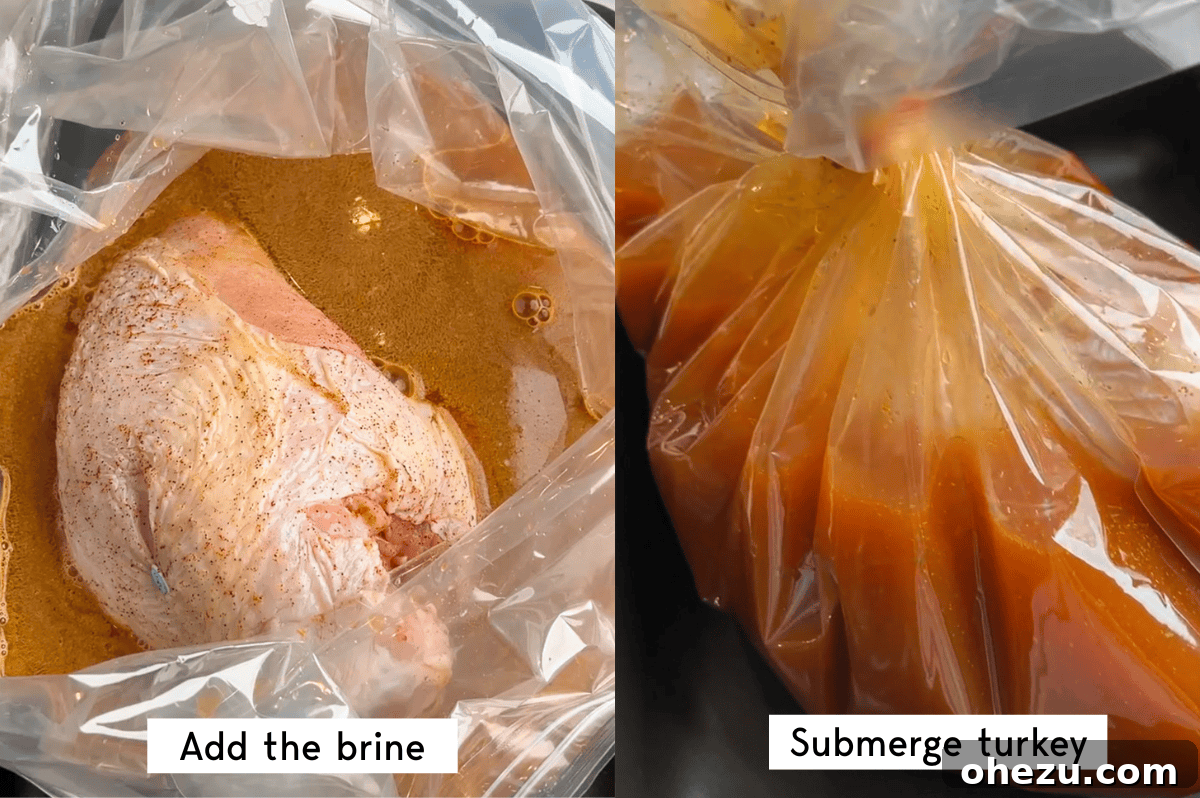
- Brine the Turkey: This is a crucial step for achieving a tender, juicy turkey from the inside out. Follow the instructions provided on your chosen brine package (Kosmos brine is highly recommended) or use my homemade brine recipe found above. Brine the turkey for approximately 1 hour per pound. After brining, remove the turkey, discard the brine, and rinse the turkey thoroughly under cold water.
- Dry the Turkey: Place the rinsed turkey on a rack set inside a roasting pan. Pat the skin extremely dry with several paper towels. For the crispiest skin, refrigerate the turkey uncovered on the rack for 6-8 hours (or even overnight) after brining and rinsing. This allows the skin to dry out completely.
Prepping the Turkey for Roasting:
- Make the Cajun Butter: In a medium bowl, combine the softened, room-temperature butter with 3 tablespoons of your Cajun seasoning blend. Mix thoroughly until the butter is smooth and the seasoning is evenly incorporated. Set aside about 1/2 cup of this flavorful butter to drizzle over the sliced turkey before serving.
- Position the Turkey: Place the turkey upright on the roasting rack within your roasting pan. If using a whole turkey, tuck the wings underneath the body of the bird to prevent them from burning and to create a more compact shape. If the turkey or breast seems unbalanced, use crumpled aluminum foil underneath it on either side to help it sit evenly upright.
- Stuff the Cavity with Aromatics (Optional, for Whole Turkey): If using a whole turkey, loosely stuff the cavity with aromatics like quartered onions, halved garlic cloves, a small bunch of fresh parsley, quartered lemon, and a quartered apple. These aromatics will infuse the turkey with subtle flavors as it roasts. Do not use bread stuffing inside the bird, as this can lead to uneven cooking.
- Truss the Turkey (for Whole Turkey): Use butcher’s twine to tie the legs of the turkey together. This helps the turkey hold its shape, cook more evenly, and ensures a beautiful presentation.
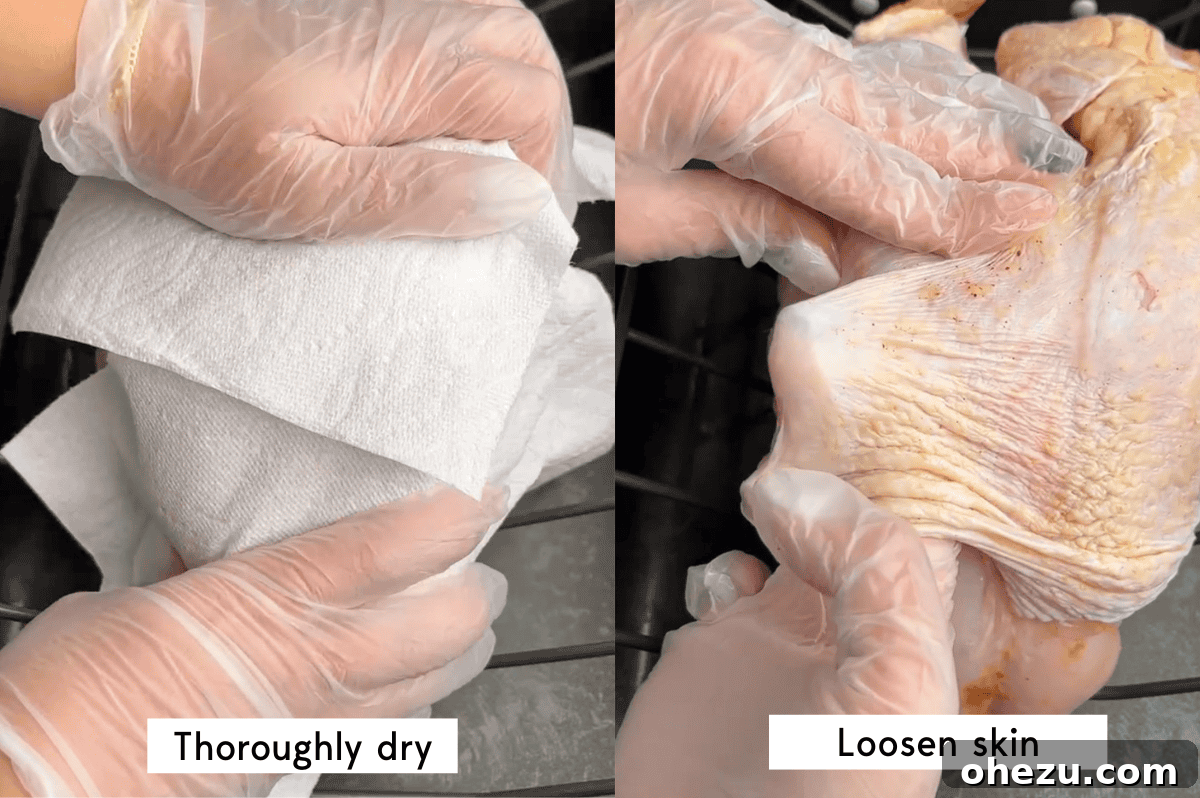
- Pat Skin Dry (Again): Before applying butter, use paper towels to remove any residual moisture from the turkey’s skin. A very dry surface is critical for achieving a beautifully browned and crispy skin. You might need to repeat this step a few times until the skin feels truly dry.
Applying the Cajun Butter:
- Loosen the Skin: Gently slide your fingers under the turkey skin, starting from the neck opening, to carefully loosen it from the breast and thigh meat. Be very gentle to avoid tearing the skin, as this layer will hold much of the butter.
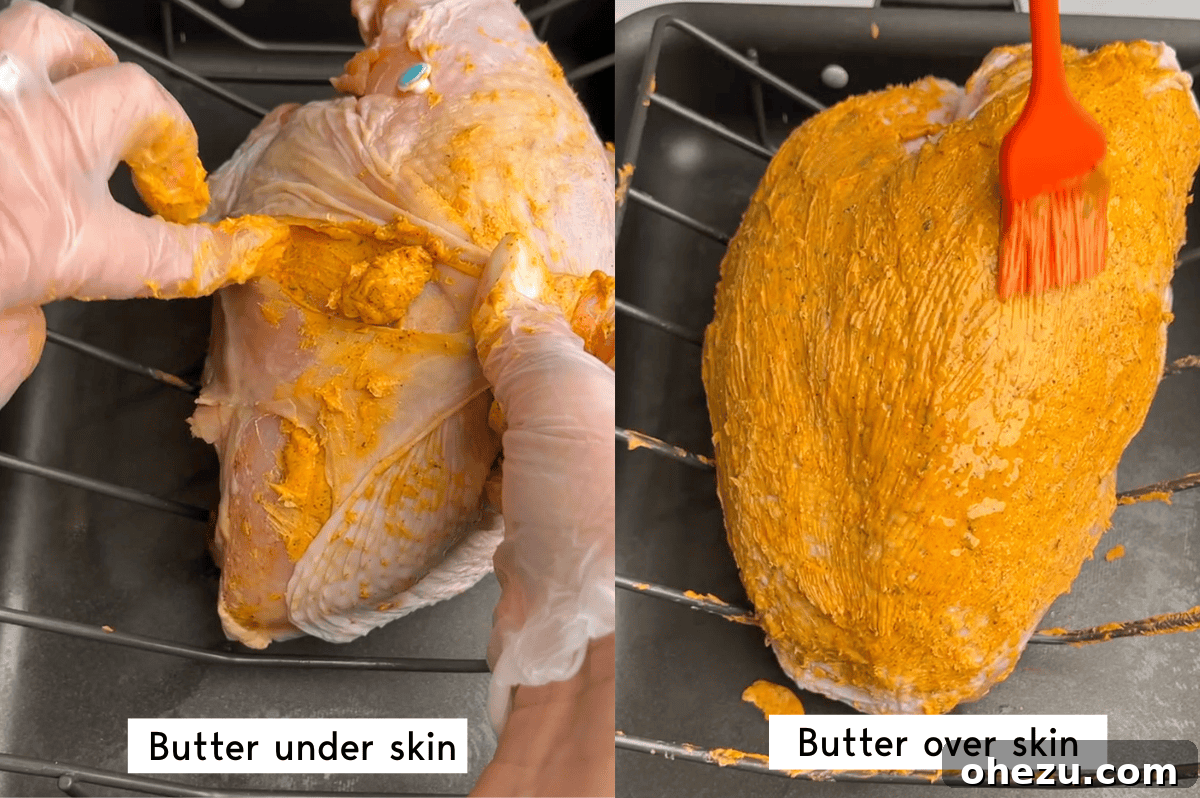
- Massage Butter Under the Skin: With your hands (wearing food-safe gloves), take about half of the prepared Cajun butter and carefully push it under the loosened skin. Massage it evenly over the breast and thigh meat. This direct application ensures the meat stays incredibly moist and flavorful.
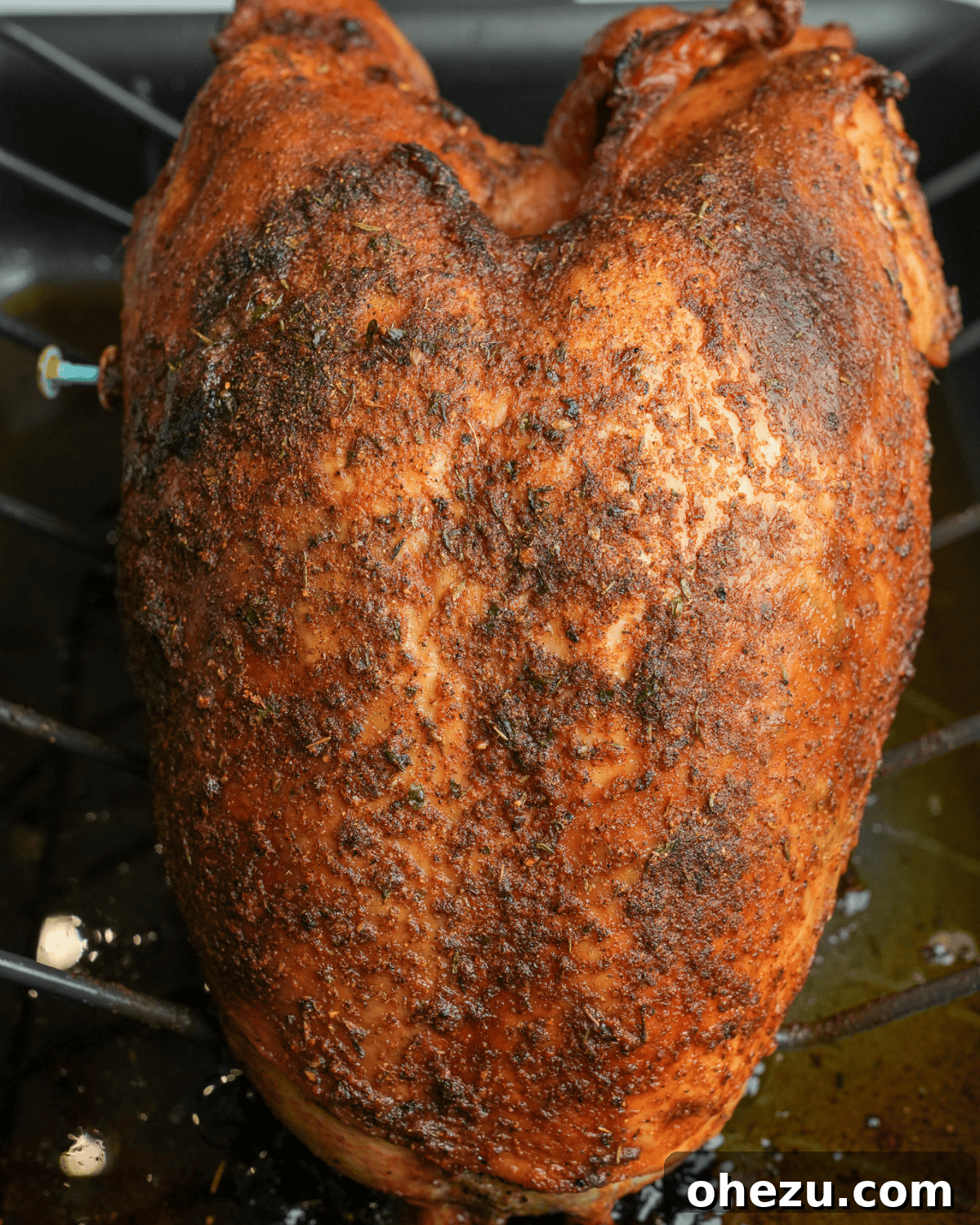
- Coat the Outside: Pat the outside of the skin dry again with paper towels. Then, add 1 tablespoon of olive oil to the remaining Cajun butter (the 1/2 cup you didn’t set aside) and mix well. Using your basting brush, evenly coat the entire exterior of the turkey’s skin with this butter-oil mixture. The olive oil helps the butter adhere better, especially if the turkey’s cold surface causes the butter to stiffen, ensuring a beautiful, even crisp.
Roasting and Resting:
- Preheat Oven: Preheat your oven to 325°F (160°C). Position the oven rack on the second level from the bottom to ensure the turkey roasts evenly without the top burning too quickly.
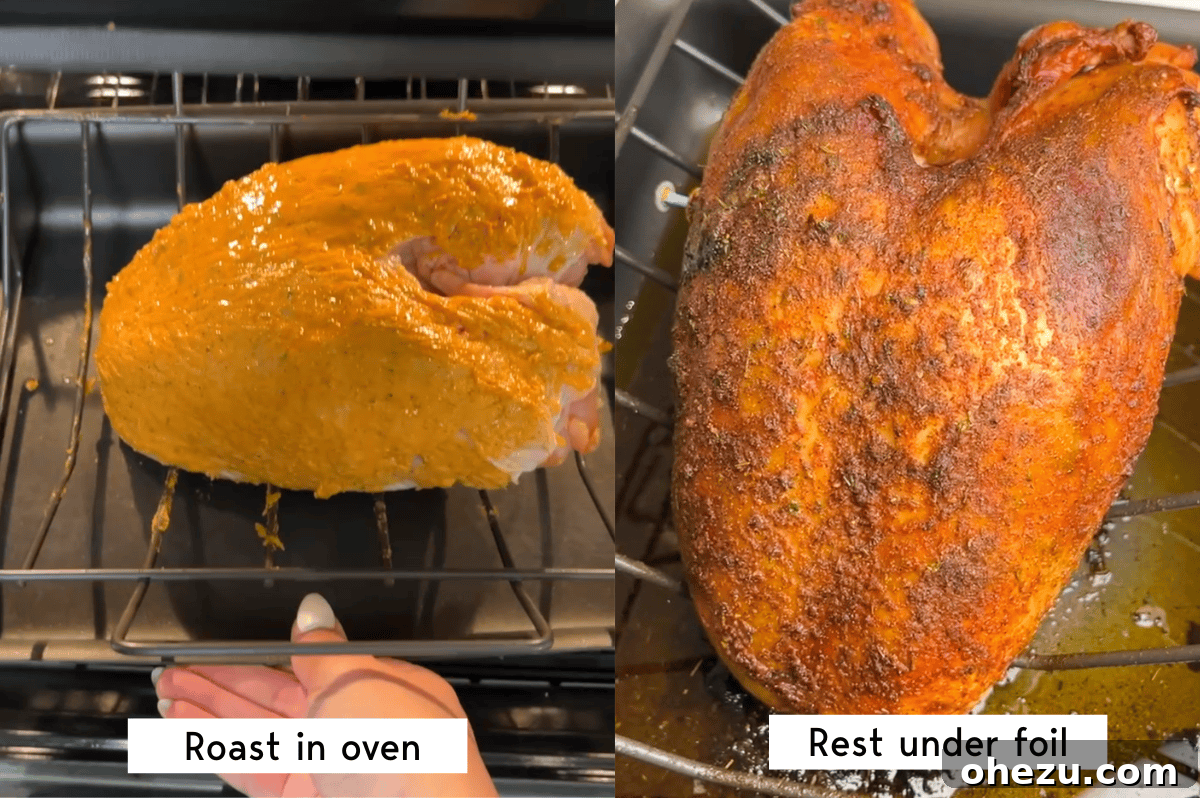
- Roast the Turkey: Place the turkey in the preheated oven, uncovered. Roast for approximately 13-15 minutes per pound. Cooking times will vary based on your oven and turkey size, so monitor closely. During the second half of the cooking time, keep a close eye on the skin. If it begins to brown too quickly, loosely tent the turkey with aluminum foil to prevent burning while it continues to cook. The turkey is done when an instant-read thermometer inserted into the thickest part of the thigh (without touching bone) reads 165°F (74°C).
- Allow to Rest: Once the turkey reaches the correct internal temperature, remove it from the oven and transfer it to a large carving board. Tent it loosely with aluminum foil and allow it to rest for a minimum of 20-30 minutes (or even up to 45 minutes for a large bird) before carving. This resting period is crucial; it allows the juices to redistribute throughout the meat, ensuring every slice is as moist and flavorful as possible. For expert carving techniques, I highly recommend watching the NYT video tutorial on how to carve and plate a Thanksgiving turkey. Melt the reserved 1/2 cup of Cajun butter and drizzle it over the freshly carved slices for an extra layer of flavor.
My Essential Tips for Cooking a Perfect Cajun Turkey:
After years of making countless turkeys and extensively testing various techniques in my own kitchen, I’ve gathered these simple yet incredibly effective tips. Following them will ensure your success in preparing this magnificent centerpiece for your holiday table:
- Embrace Brining: While some consider brining an optional step, my extensive testing has proven that it consistently yields a significantly juicier turkey. Hands down, brining makes a remarkable difference. Yes, it adds an extra day to your prep, but the enhanced moisture and flavor are absolutely worth the effort, especially when you’re aiming to impress family and friends.
- Resist Basting: Contrary to popular belief, frequent basting is often counterproductive. Constantly opening and closing the oven door causes significant temperature fluctuations, extending the cooking time and drying out the turkey. The generous butter coating applied at the beginning is sufficient to keep the turkey moist and flavorful throughout the roasting process.
- Never Stuff the Bird with Bread Stuffing: Cooking bread stuffing inside the turkey is a common mistake. The stuffing reaches a safe internal temperature much faster than the turkey itself, leading to dry, overcooked stuffing and potentially undercooked turkey, or vice versa. Always prepare your stuffing (like my delicious cornbread dressing recipe) as a separate side dish. If you want to infuse flavor into the turkey cavity, use aromatics like onions, garlic, lemons, or herbs.
- Allow Ample Resting Time: This step is non-negotiable! Letting the turkey rest for at least 30 minutes (even up to 45 minutes for larger birds) before carving allows the muscle fibers to relax and reabsorb the juices. Skipping this step means all that delicious moisture will run out onto your carving board, leaving you with dry meat.
- No Roasting Pan Rack? No Problem! If you don’t own a roasting pan with a rack, don’t worry. You can create a makeshift rack using a sturdy casserole dish or aluminum pan. Simply arrange a layer of chopped root vegetables (such as onions, carrots, and celery) on the bottom. Place the turkey directly on top of these vegetables; they will elevate the bird, allowing for better air circulation and even cooking, while also adding flavor to your pan drippings.
- Save Those Pan Drippings: Don’t discard the flavorful juices accumulated at the bottom of your roasting pan! These drippings are the golden base for an incredible homemade gravy. Skim off excess fat, deglaze the pan, and use them to create a rich, savory accompaniment to your turkey.
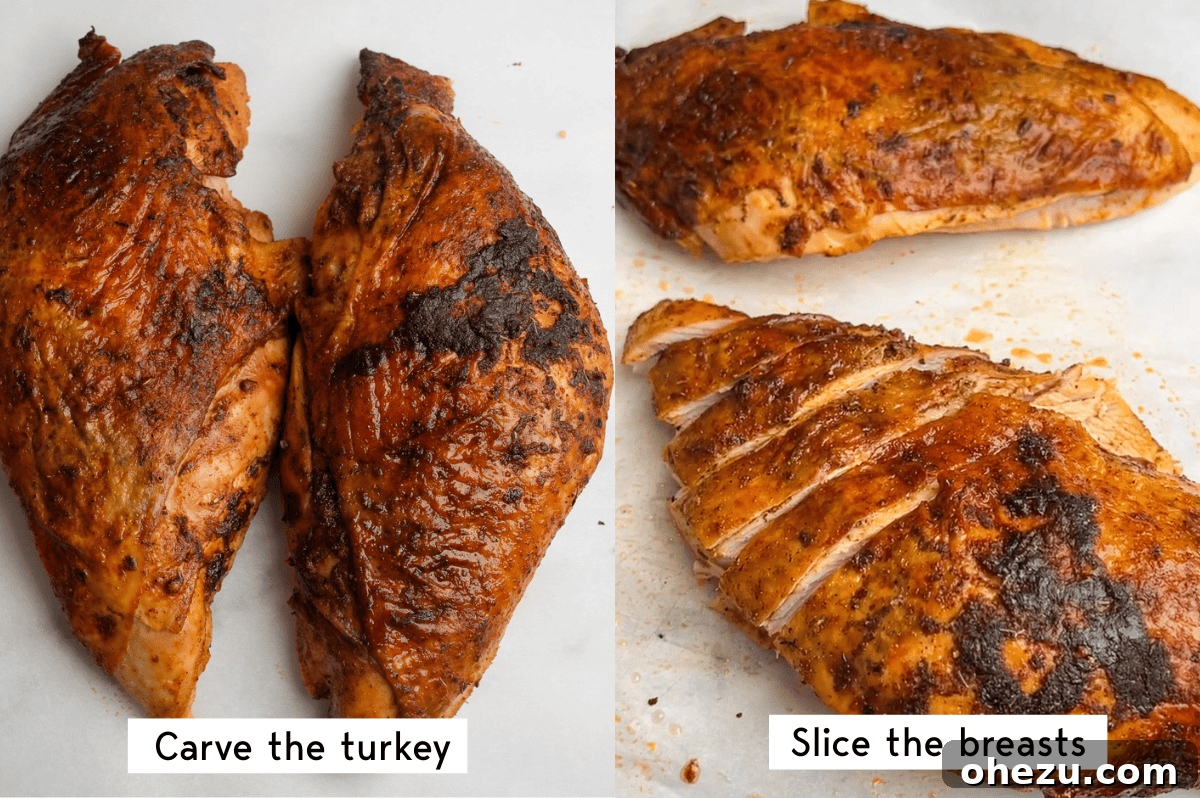
- Master the Carving Technique: For the best presentation and to ensure every guest gets a piece of that coveted crispy skin, carve your turkey breasts by removing them whole first. Then, slice the breast meat against the grain. This method guarantees tender, uniform slices.
Perfect Side Dishes to Complement Your Cajun Turkey:
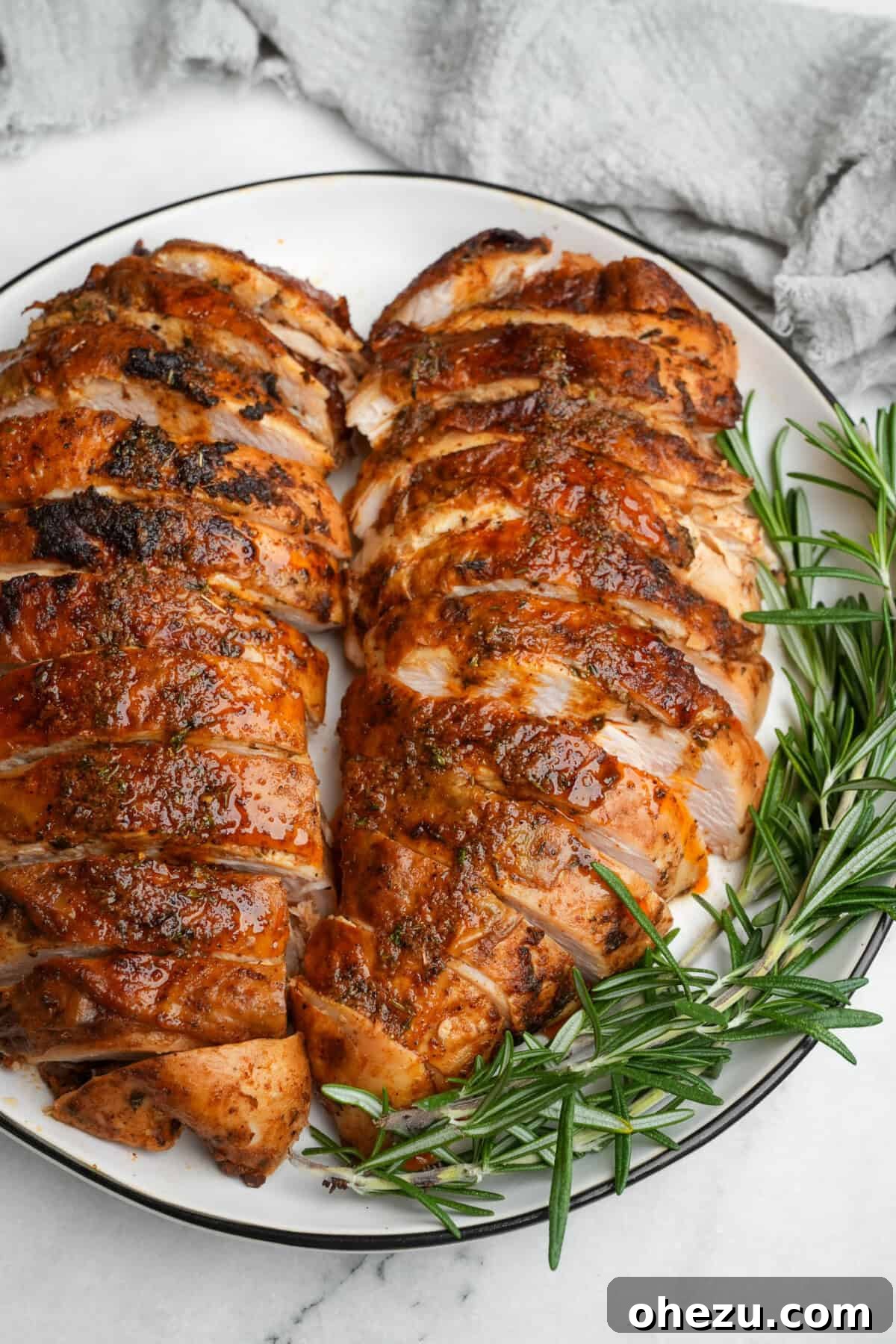
The unique and vibrant Cajun butter truly elevates this Thanksgiving turkey, setting it apart from traditional roasts. It delivers a delicious punch of flavor that is bold yet wonderfully balanced, making it versatile enough to pair harmoniously with a wide array of your favorite holiday side dishes. Its rich profile enhances rather than overpowers, complementing popular recipes such as:
- Tini’s Macaroni & Cheese – The ultimate creamy comfort.
- Easy Holiday Cranberry Sauce – A bright, tart contrast.
- Scalloped Potatoes – Rich, cheesy, and utterly satisfying.
- Slow Cooker Honey Baked Ham – For those who love options!
- Honey Butter Cornbread – Sweet, savory, and perfectly tender.
- Pecan Pie Trifle – A decadent dessert.
- Loaded Corn Casserole – Creamy, cheesy, and bursting with flavor.
For a visual guide to these steps, be sure to check out the video tutorial on how I prepared this Cajun turkey for our Thanksgiving celebration. Seeing the process in action can be incredibly helpful and make the instructions feel less daunting!
Thanksgiving Cajun Turkey
Mallory Austin
3 hrs
12 hrs
15 hrs
12 people
Prepare this Cajun Turkey with confidence. This extra juicy turkey is foolproof, stress-free, and easy for even first-time cooks, making it the perfect centerpiece for your Thanksgiving table.
Ingredients
- 12 lb whole turkey or 6 lb. bone-in turkey breast if frozen, thaw it fully first
- Kosmos brine or see homemade brine recipe in the notes section
- 3 sticks butter 1.5 cups/24 tablespoons, at room temperature
- 3 tablespoons Cajun seasoning see notes for homemade cajun seasoning recipe
- olive oil
For the Stuffing Aromatics (only if using whole turkey)
- 1 large onion, quartered
- 8 cloves garlic, halved and peeled
- 1 small bunch parsley
- 1 lemon, quartered
- 1 apple, quartered
Instructions
Before you start
-
Remove the neck and giblet bag from the cavities of the turkey and discard (or save for gravy if you prefer). If using a turkey breast, these are already removed.
-
Brine the turkey first as it ensures the turkey will be tender from the inside out. Follow the brine instructions as specified on the package or mine is listed in the notes section below. Brine for 1 hour per pound. Rinse the turkey brine off the turkey, place on the rack in the roasting pan and allow turkey to dry out in the fridge for 6-8 hours before proceeding.
Prep the turkey
-
Let the turkey sit on the counter for 1 hour before it goes in the oven, to remove the chill from the fridge.
-
Make the Cajun butter by combining the softened butter with 3 tbsp Cajun seasoning. Mix until smooth. Set aside 1/2 cup of the butter for drizzling over the sliced turkey before serving.
-
Place the turkey upright on the roasting rack. Use crumpled foil underneath the turkey on either side if needed to help it sit upright evenly.
-
If using a whole turkey, tuck the wings underneath/behind the body of the turkey. Stuff the cavity with all the stuffing aromatics (onion, garlic, parsley, lemon, apple) then tie the legs together with butcher’s twine to tie up the turkey cavity.
Butter the turkey
-
Use several paper towels to remove any excess moisture from the skin. You want the skin very dry to ensure even browning and crisping of the skin.
-
Separate the skin by sliding your fingers under it to loosen and gently separate the skin, being careful not to tear it. Dab the turkey dry again if needed.
-
Massage half the butter under the skin, pushing it around evenly and massaging it under the skin. Pat the outside of the skin dry again with paper towels.
-
Add 1 tbsp olive oil to the remaining butter and coat the outside of the skin evenly with the butter using a basting brush. The cold temperature of the turkey can cause the butter to harden and pull away from the turkey in some spots. Just add a little olive oil to those areas, and it will help the butter to adhere again.
Roast the turkey
-
Preheat oven to 325 degrees. Place the rack on the second level from the bottom.
-
Roast the turkey uncovered for about 13-15 minutes per pound. Monitor the turkey during the second half of the cooking time to prevent the skin from burning, ensuring it browns evenly. If needed, place tented foil on top of the turkey as it continues to cook.
-
Allow turkey to rest for 20-30 minutes before carving and plating. Melt the remaining cajun butter and drizzle over the sliced turkey.
Notes
This video provides a great tutorial on carving and plating a beautiful Thanksgiving turkey.
Homemade Cajun Seasoning:
2 tablespoons mild paprika
2 teaspoons salt
3 teaspoons garlic powder
2 teaspoons onion powder
2 teaspoons chili powder (add more if you like heat)
1.5 teaspoon dried thyme
1 teaspoon dried oregano
1 teaspoon brown sugar
1.5 teaspoon cayenne pepper (add more if you like heat)
1/2 teaspoon cracked black pepper
Homemade Brine (for a bone-in turkey breast, halve this recipe):
2 gallons of water
1.5 cups canning salt
1/3 cup brown sugar
1/4 cup Worcestershire sauce
10 large garlic cloves, smashed
1 tbsp black pepper
Mix all the ingredients in a large food-grade container or turkey bag. Submerge the turkey so it’s fully covered. Brine the turkey for 1 hour per pound. Remove the turkey from the brine and discard the brine. Allow turkey to dry out in the fridge for 6-8 hours before cooking to ensure crispy skin.