
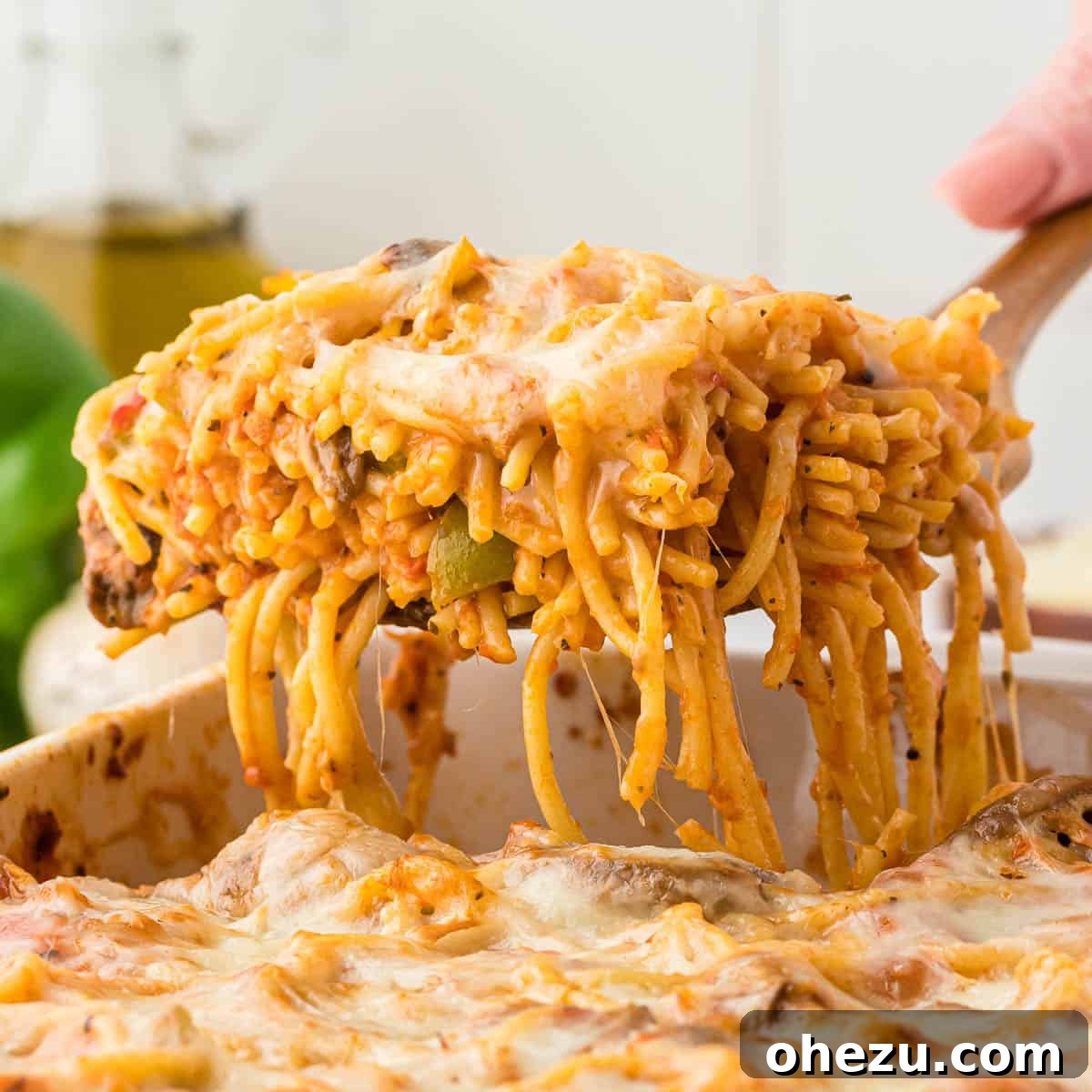
This easy recipe for vegetarian baked spaghetti is sure to be a new family favorite!
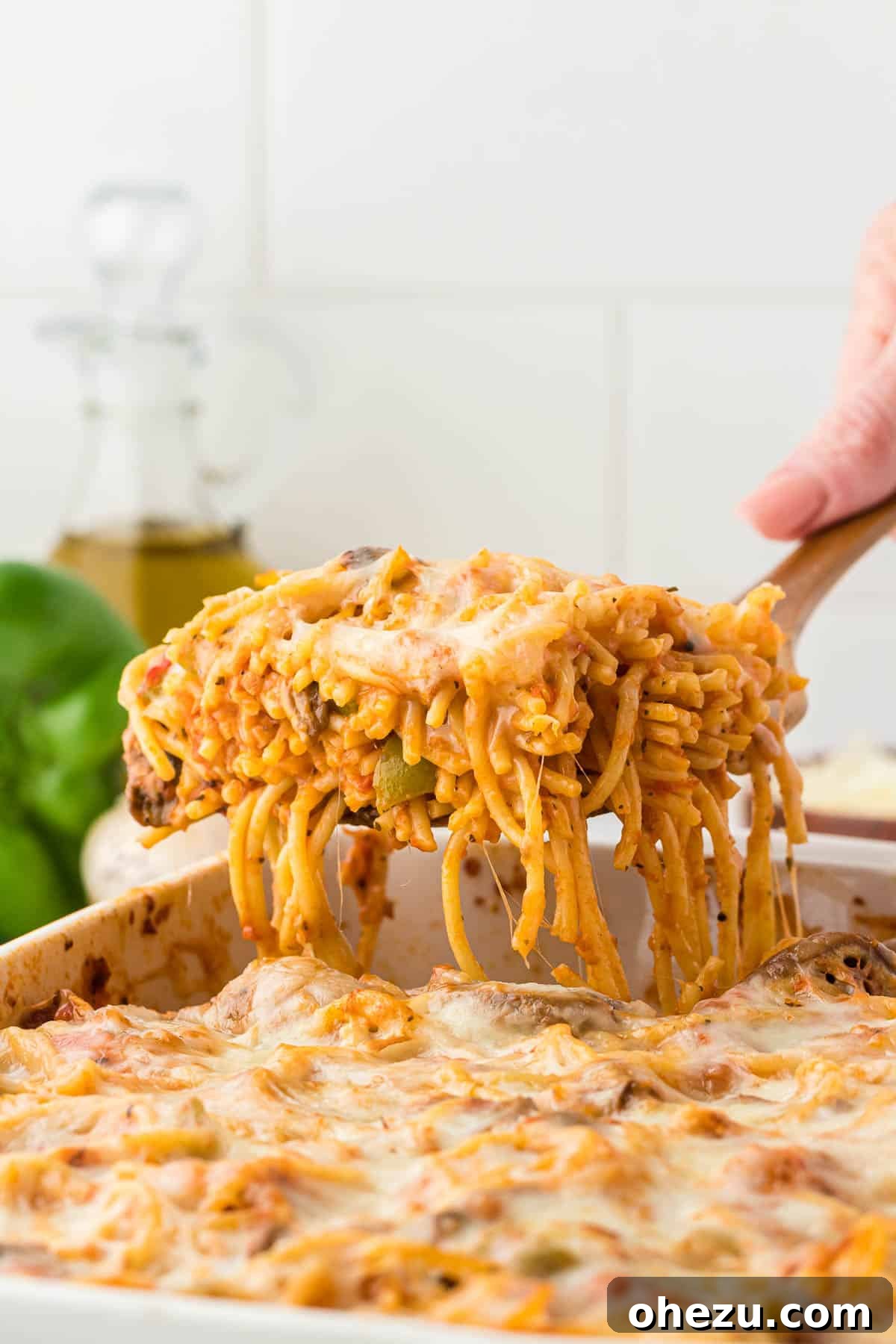
Indulge in the Perfect Comfort: Vegetarian Baked Spaghetti Recipe
When the craving for classic comfort food strikes, few dishes hit the spot quite like a warm, bubbling baked spaghetti. Our vegetarian baked spaghetti recipe takes this beloved staple to new heights, offering a hearty and incredibly satisfying meal that everyone at your table will adore. Forget bland meatless alternatives; this dish is a celebration of rich flavors, wholesome vegetables, and gooey, melted cheese, proving that vegetarian comfort food can be both delicious and deeply fulfilling. It’s truly the perfect comfort food for any occasion.
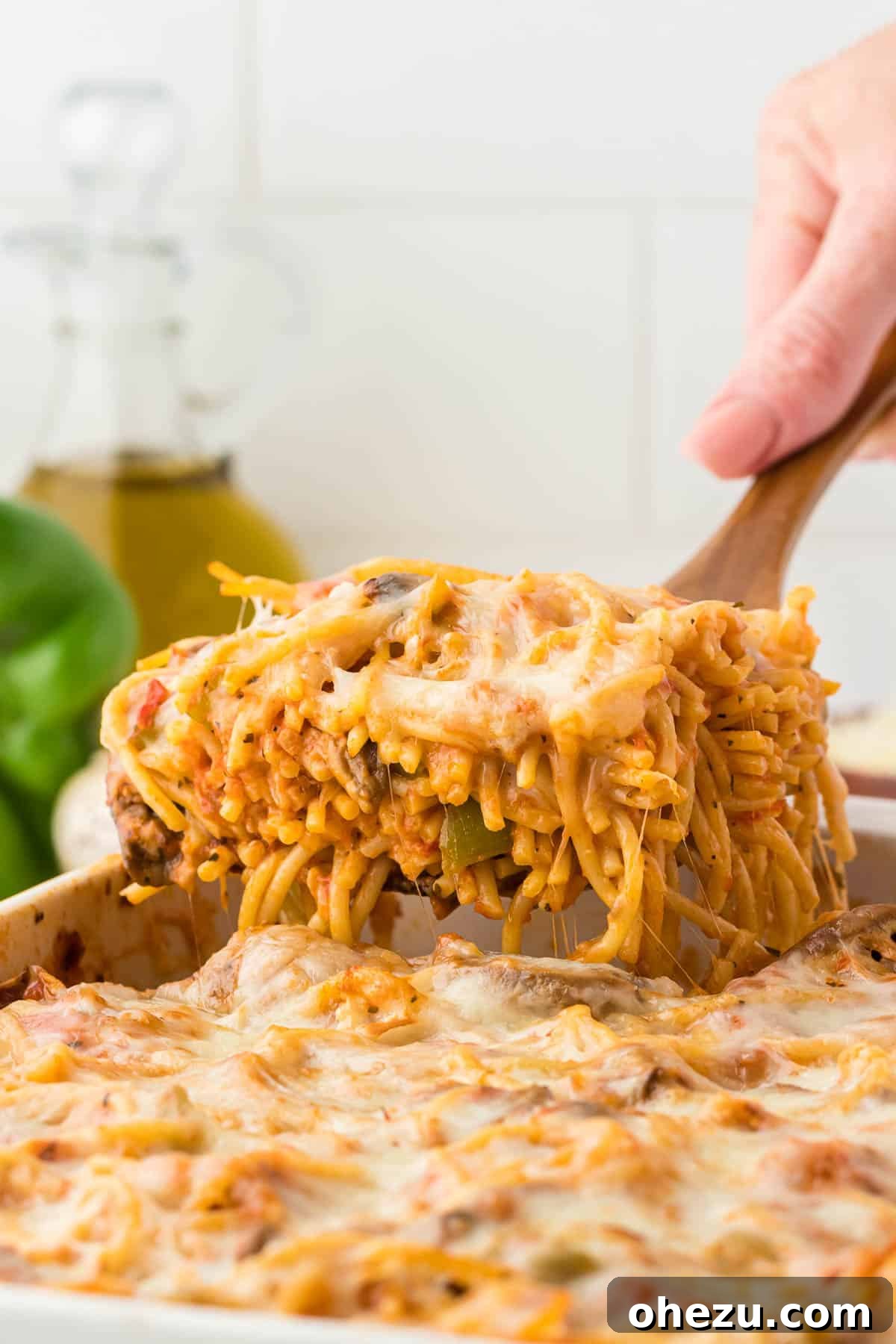
Crafted with a medley of vibrant vegetables, a robust pasta sauce, and a generous blend of two delightful cheeses, this veggie spaghetti is baked until it achieves that coveted golden-brown crust and a bubbly, irresistible texture around the edges. It’s a substantial meal that yields plenty of portions, making it an ideal choice for family dinners and ensuring you have delicious leftovers for the next night – a win-win for busy households!
This recipe stands out as one of our absolute favorite pasta dishes, offering all the savory goodness of traditional baked spaghetti without any meat. It’s comparable in its comforting appeal to our popular Veggie Lover’s Pasta Bake. Get ready to savor every forkful of this delightful creation!
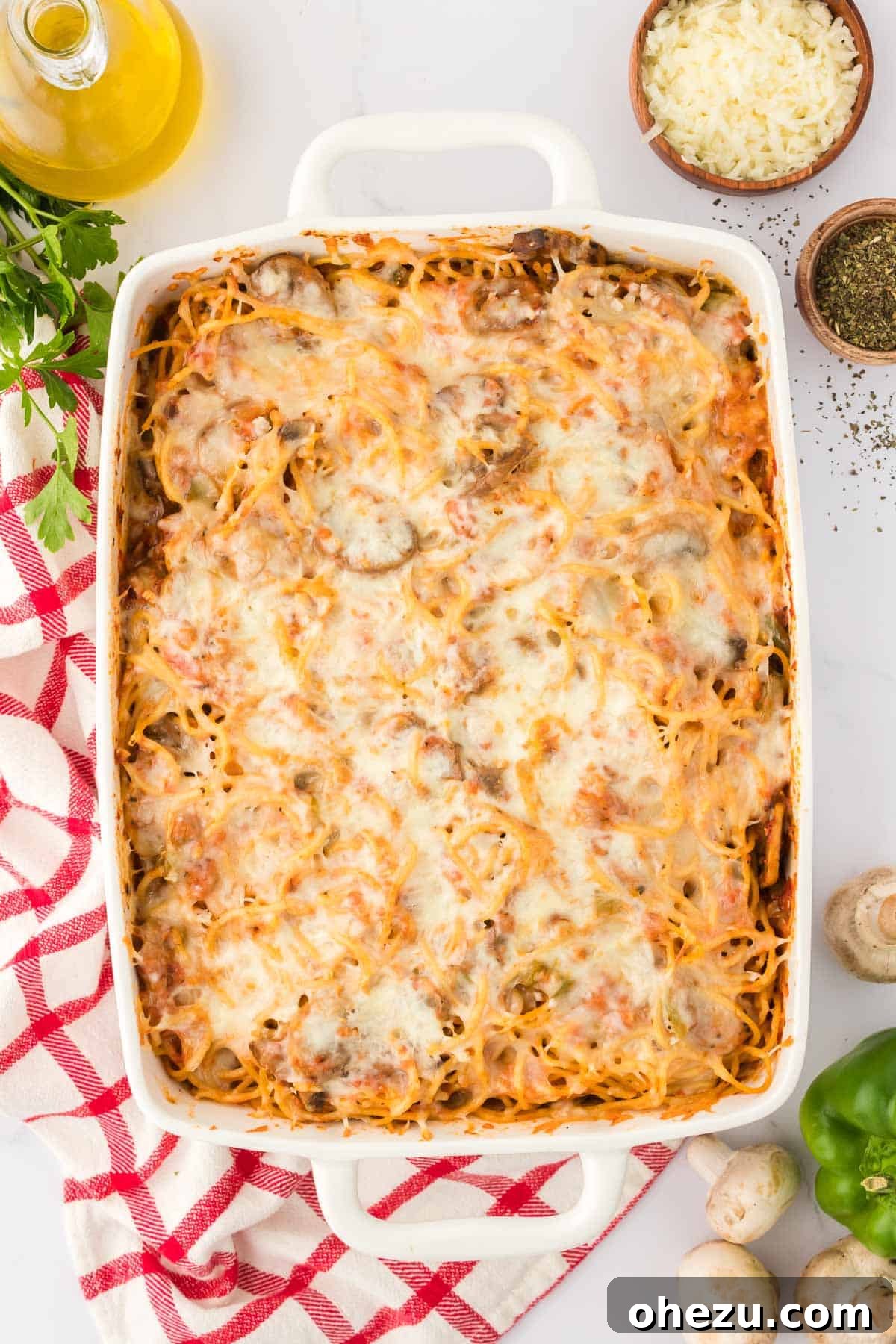
Why Choose Vegetarian Baked Spaghetti?
Baked spaghetti is more than just pasta with sauce; it’s an experience. The magic happens in the oven, where the ingredients meld together, the edges crisp up, and the cheese transforms into a golden, bubbly blanket. Opting for a vegetarian version doesn’t mean sacrificing flavor or heartiness. Instead, it opens up a world of vibrant vegetable possibilities that contribute incredible depth and texture to the dish. This baked spaghetti is packed with nutrient-rich ingredients, making it a wholesome meal choice for health-conscious eaters and those looking to reduce their meat consumption.
From the satisfying chew of al dente spaghetti to the rich, herb-infused tomato sauce and the irresistible double layer of cheese, every component plays a vital role. The baking process allows the flavors to intensify and caramelize slightly, creating a more complex and comforting profile than stovetop spaghetti. Plus, it’s an excellent way to sneak in extra vegetables for picky eaters, as they blend seamlessly into the sauce.
The Magic of Meatless Meals: Flavor Without Compromise
Embracing vegetarian meals can be a delicious and rewarding journey. This baked spaghetti recipe is a perfect example of how plant-based dishes can be just as, if not more, satisfying than their meat-centric counterparts. By focusing on fresh, quality vegetables and robust seasonings, we create a pasta bake that bursts with natural flavor. The savory mushrooms provide a wonderful “umami” depth, while bell peppers add a touch of sweetness and crunch. Garlic and onion form the aromatic foundation, elevating the entire sauce.
Beyond taste, vegetarian meals offer numerous benefits. They are often lighter, making you feel comfortably full without being overly heavy. They can also be a more sustainable and cost-effective option for weekly dinners. This particular recipe is designed to be a crowd-plepleaser, demonstrating that a vegetarian diet doesn’t mean compromising on hearty portions or gourmet taste. It’s a testament to the fact that simple, fresh ingredients can create truly extraordinary dishes.
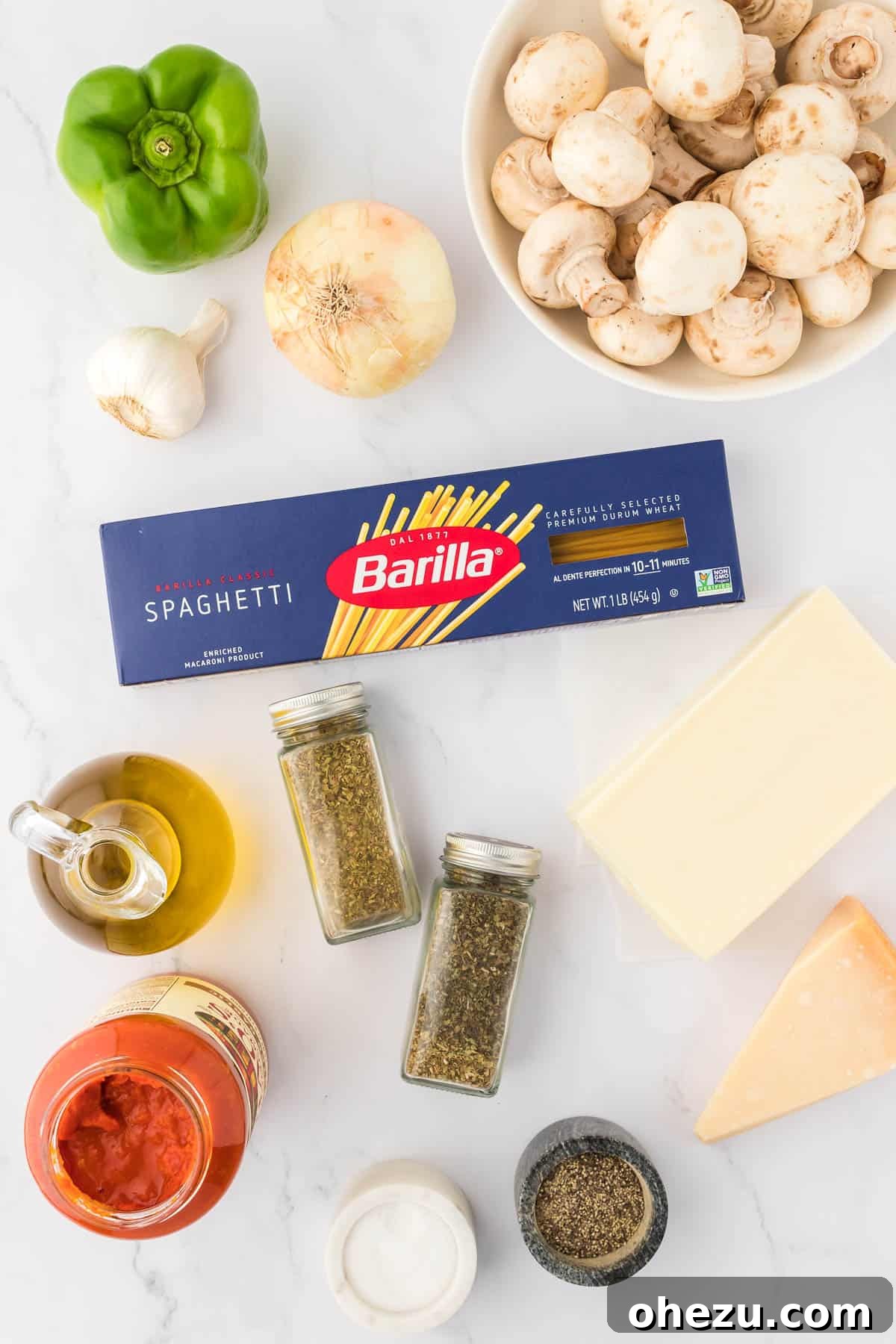
Essential Ingredients for Your Vegetable Baked Spaghetti
Gathering your ingredients is the first step to creating this delightful vegetarian baked spaghetti. We’ve carefully selected a combination of vegetables and cheeses that deliver maximum flavor and texture. Here’s a detailed look at what you’ll need to make this incredible dish:
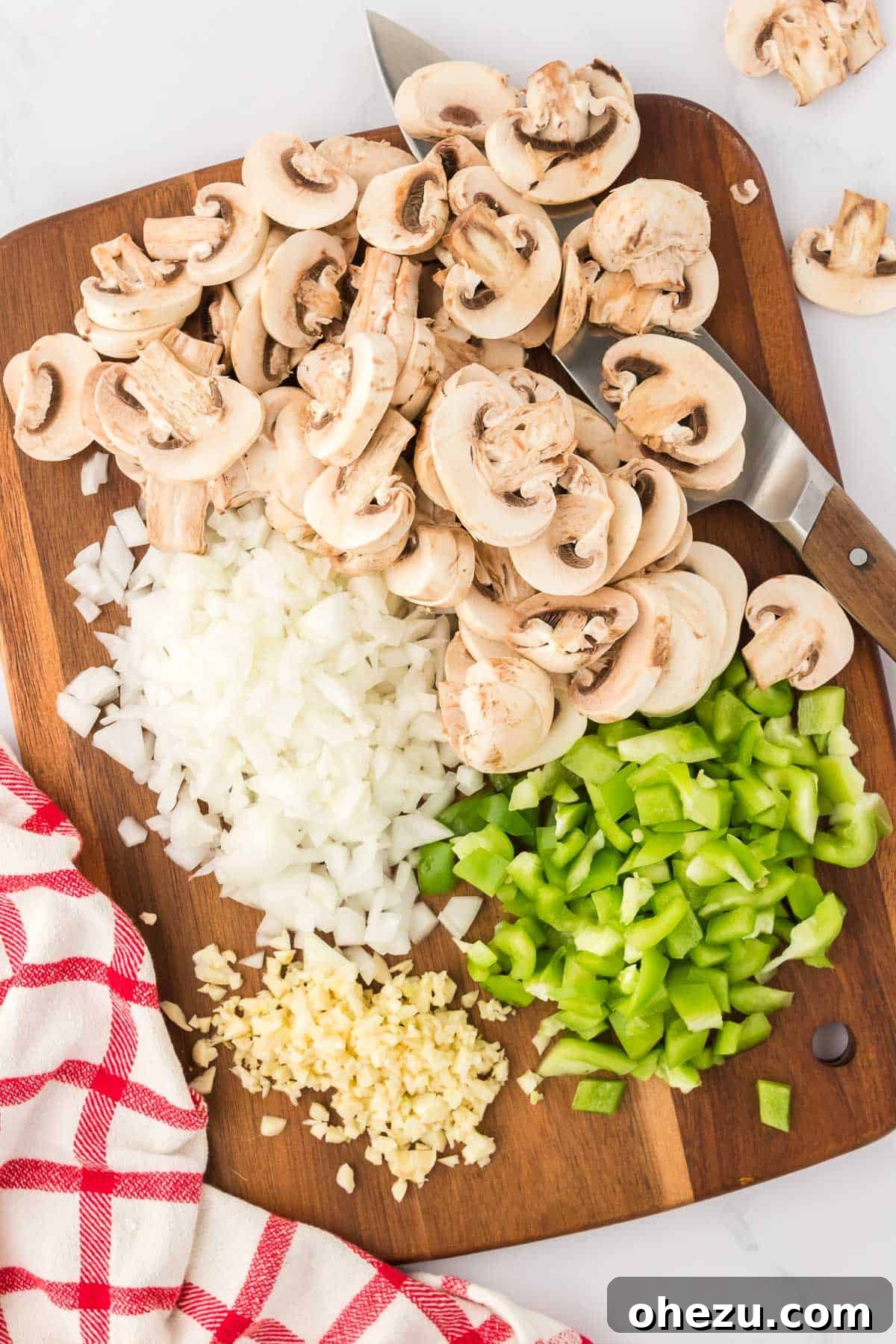
- Onion: A small yellow onion, diced, forms the aromatic base of our sauce, lending a sweet and savory foundation.
- Garlic: Eight large cloves, minced, provide an undeniable depth of flavor that is essential for any great pasta sauce. Don’t skimp on the garlic!
- Mushrooms: Sixteen ounces of white mushrooms, thinly sliced, contribute a wonderful earthy “umami” flavor and a satisfying, meaty texture, making this dish feel substantial.
- Bell Pepper: One green bell pepper, diced, adds a fresh, crisp texture and a subtle sweetness that complements the other vegetables beautifully.
- Olive Oil: Two tablespoons of good quality olive oil are used for sautéing the vegetables, bringing out their natural flavors and preventing sticking.
- Salt and Pepper: Half a teaspoon each of sea salt and freshly ground black pepper are crucial for seasoning the vegetables and enhancing the overall taste. Adjust to your preference.
- Dried Basil and Oregano: Two teaspoons of dried basil and one teaspoon of dried oregano infuse the sauce with classic Italian herbs, creating an authentic and comforting aroma.
- Jarred Pasta Sauce: A 25-ounce jar of your favorite high-quality pasta sauce serves as the rich, flavorful base for our spaghetti bake. Choose one with good tomato flavor.
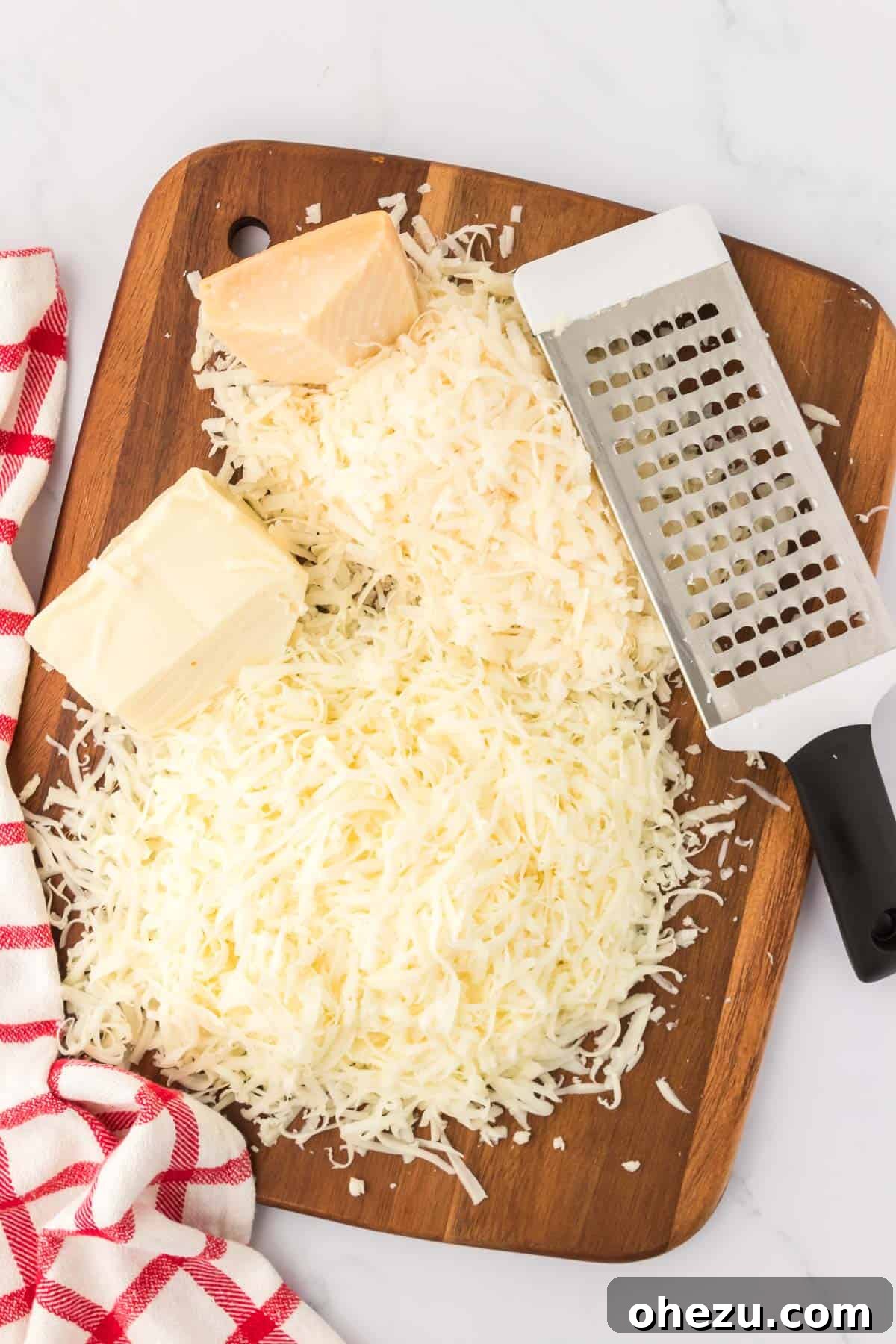
- Grated Parmesan Cheese: One and a quarter cups of grated Parmesan cheese adds a sharp, salty, and nutty flavor that’s essential for a truly delicious baked pasta.
- Mozzarella Cheese: Two cups of shredded mozzarella cheese are used for its incredible melting capabilities, creating those irresistible cheesy stretches and a golden-brown crust.
- Spaghetti: Sixteen ounces of spaghetti, cooked al dente, provides the perfect foundation for absorbing all the delicious sauce and cheese.
Expanding Your Palette: What Veggies Go Well in Pasta?
While our recipe features a classic quartet of garlic, onion, mushrooms, and bell peppers – which are undeniably the best for a hearty spaghetti sauce – the beauty of pasta is its versatility. You can easily customize this dish by adding other vegetables that complement the rich tomato and cheese flavors. Consider incorporating finely diced carrots and celery for a traditional soffritto base, or adding some vibrant greens like spinach or kale during the last few minutes of sautéing until they wilt. Cubed zucchini or eggplant can also be a fantastic addition, especially when lightly sautéed to release their moisture before mixing into the sauce. Don’t hesitate to experiment with what you have on hand or what’s in season!
Crafting Your Masterpiece: How to Make Vegetarian Baked Spaghetti
Creating this delicious vegetarian baked spaghetti is simpler than you might think. Follow these straightforward steps to achieve a dish that’s rich in flavor and perfectly comforting:
Step 1: Prepare Your Spaghetti. Begin by cooking your spaghetti according to the package instructions. The key here is to cook it to a perfect al dente – firm to the bite. Overcooked noodles can become mushy in the baked dish. Once cooked, drain the spaghetti thoroughly and set it aside. A quick rinse with cold water can prevent it from sticking together if you’re not mixing it immediately.
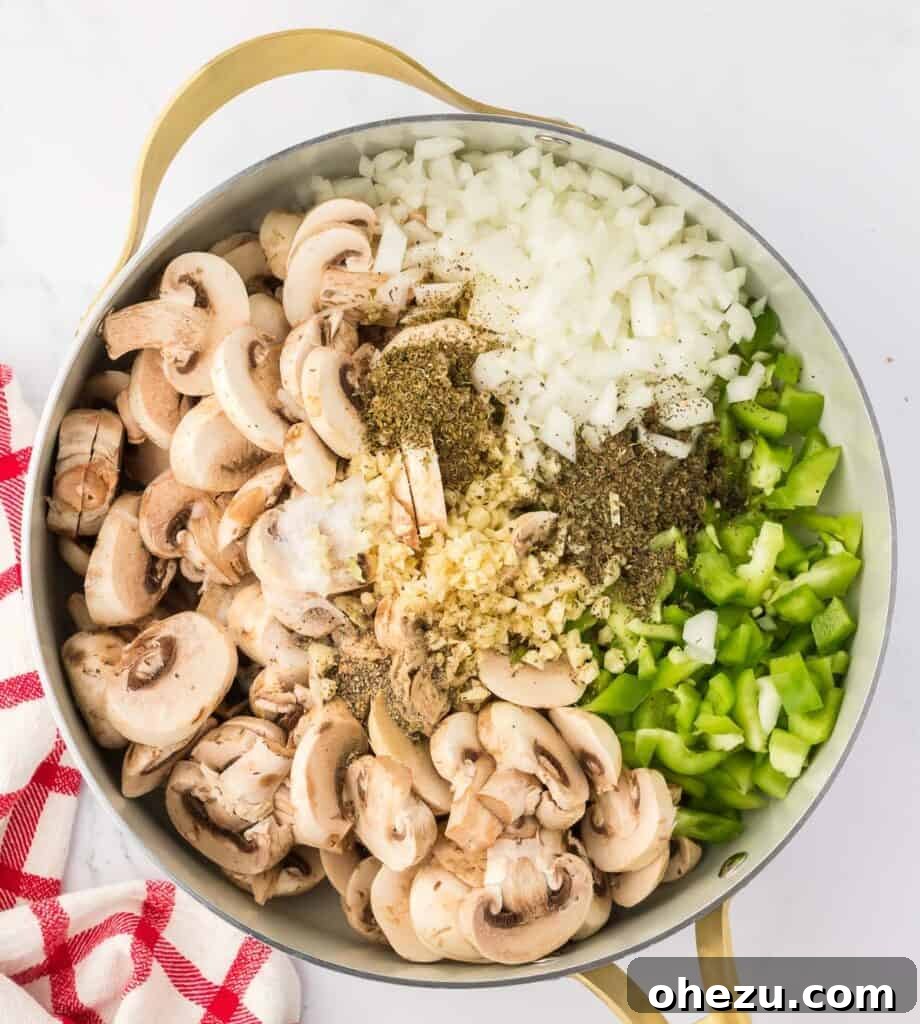
Step 2: Sauté the Flavorful Veggies. In a large skillet, combine the diced onion, minced garlic, sliced mushrooms, diced green bell pepper, olive oil, sea salt, black pepper, dried basil, and dried oregano. Cook this mixture over medium-high heat, stirring frequently. Continue to cook for approximately 15-20 minutes, or until the mushrooms have released their liquid and it has evaporated, and the vegetables are tender-crisp. This step is crucial for developing deep flavors.
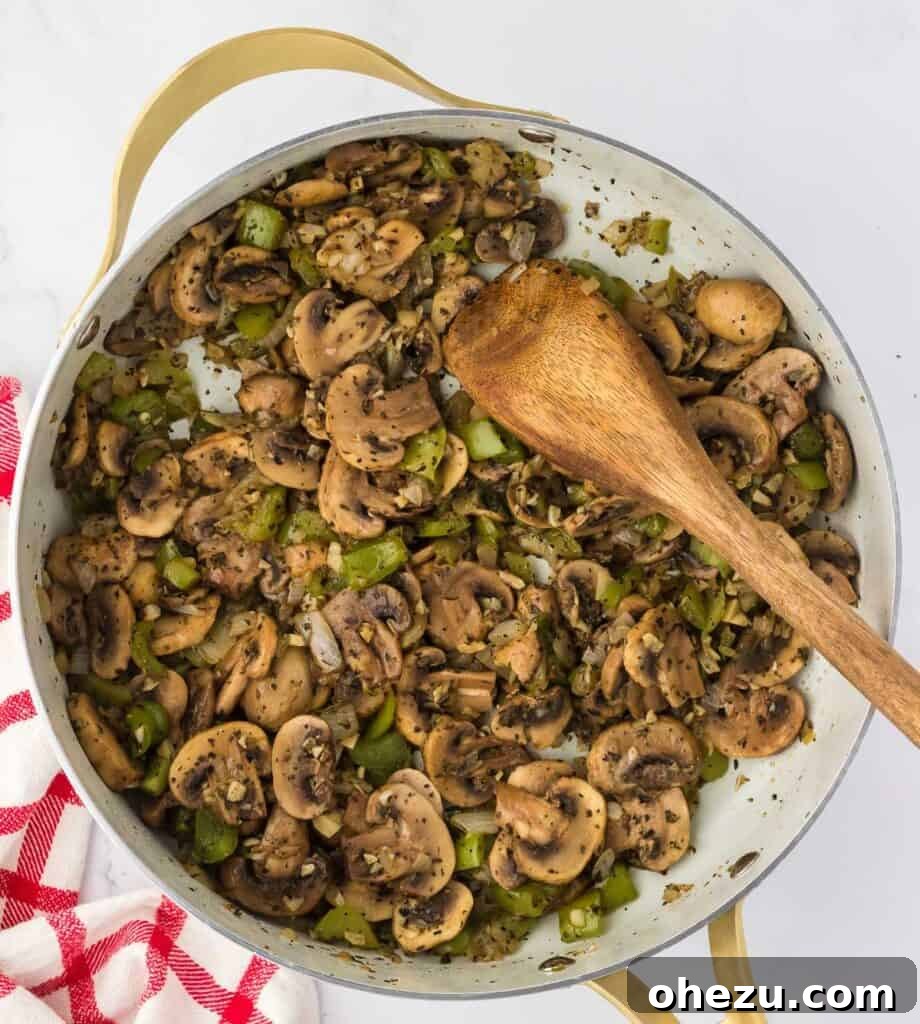
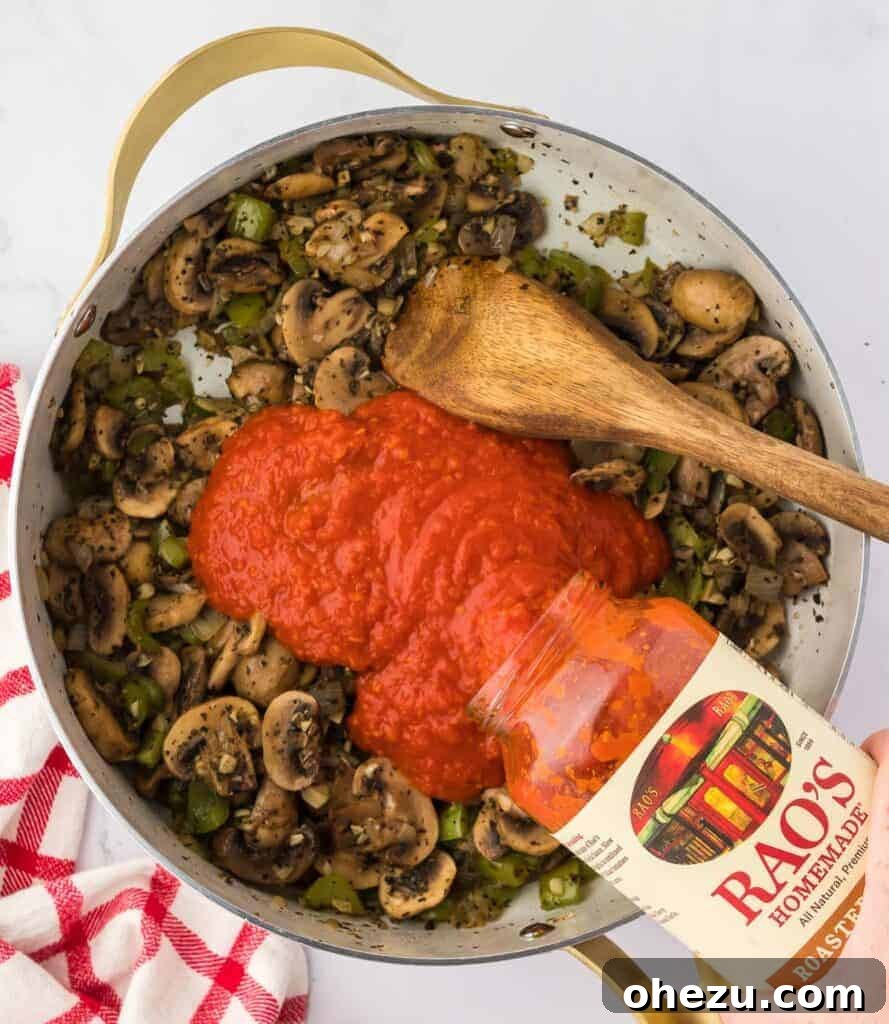
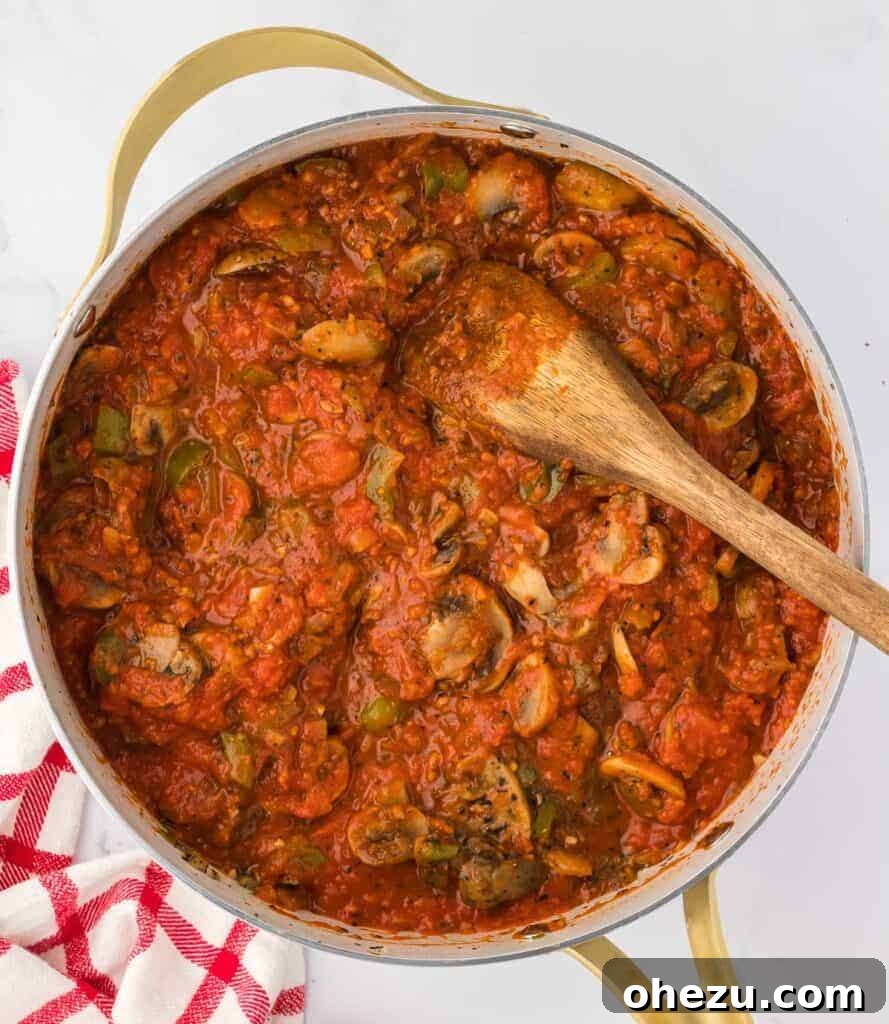
Step 3: Introduce the Pasta Sauce. Once your vegetables are perfectly sautéed, pour the jarred pasta sauce into the skillet. Stir everything together thoroughly, ensuring the vegetables are well coated and infused with the sauce. Allow it to simmer gently for a few minutes to let the flavors meld.
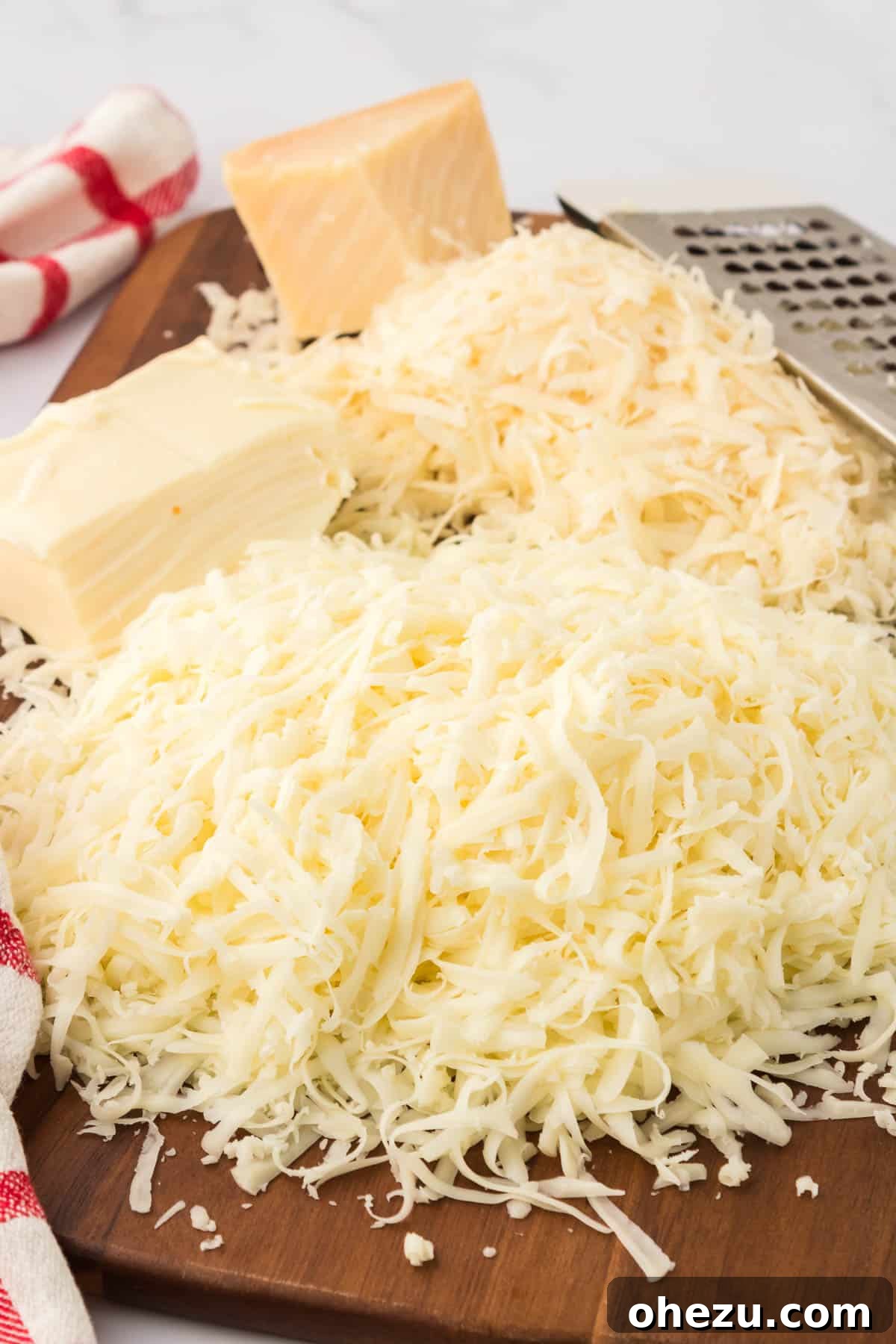
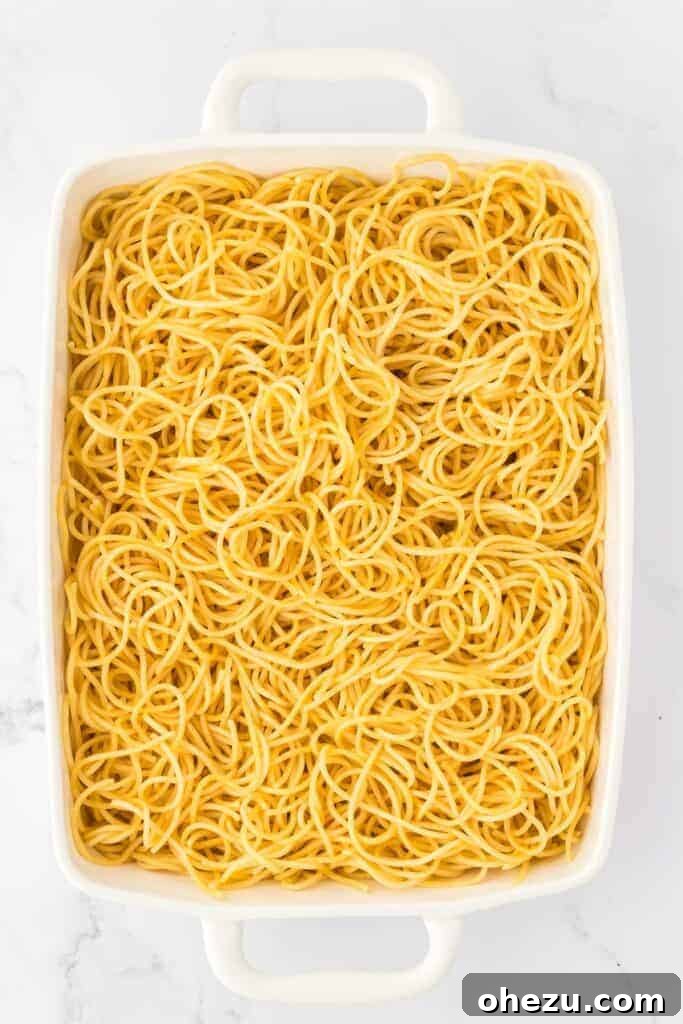
Step 4: Prepare the Baking Dish and First Layer of Cheese. Lightly grease a 9×13 inch casserole dish with cooking spray or a little olive oil. Spread the cooked spaghetti evenly across the bottom of the prepared dish. This forms the foundational layer of your baked delight. Next, generously sprinkle ½ cup of mozzarella cheese and 1 ¼ cups of grated Parmesan cheese directly over the spaghetti. This layer of cheese will melt into the pasta, creating a delicious, cohesive base.
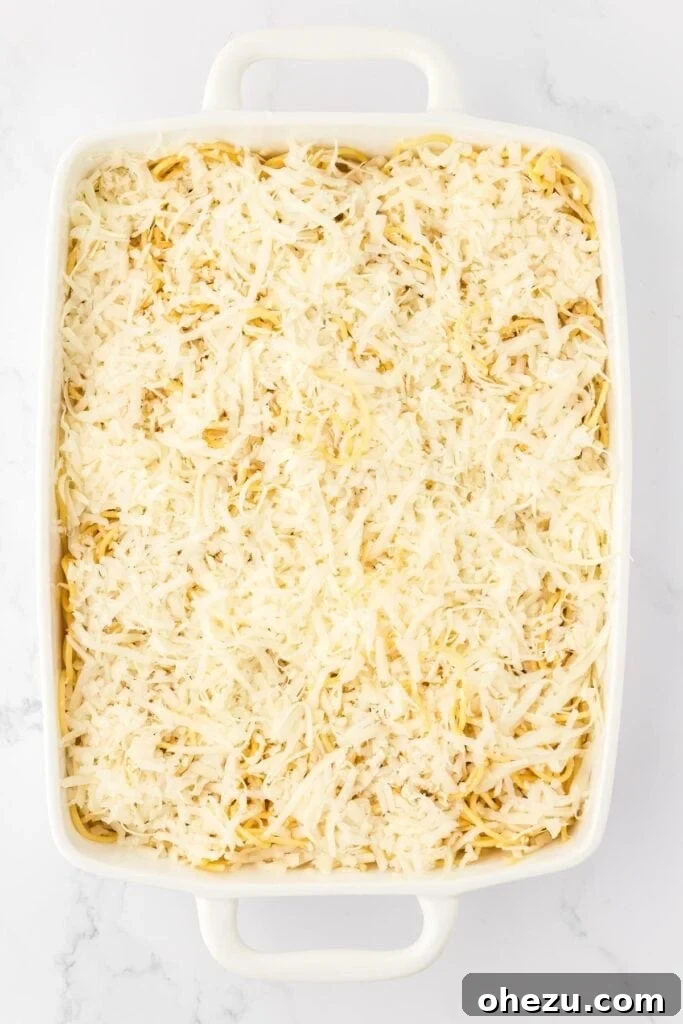
Step 5: Combine Pasta and Sauce. Carefully pour the warm veggie pasta sauce over the cheese-covered spaghetti. Using tongs, gently mix everything together in the casserole dish. Ensure that the spaghetti is thoroughly coated with the sauce and cheese, distributing the vegetables evenly throughout the pasta. This ensures every bite is flavorful.
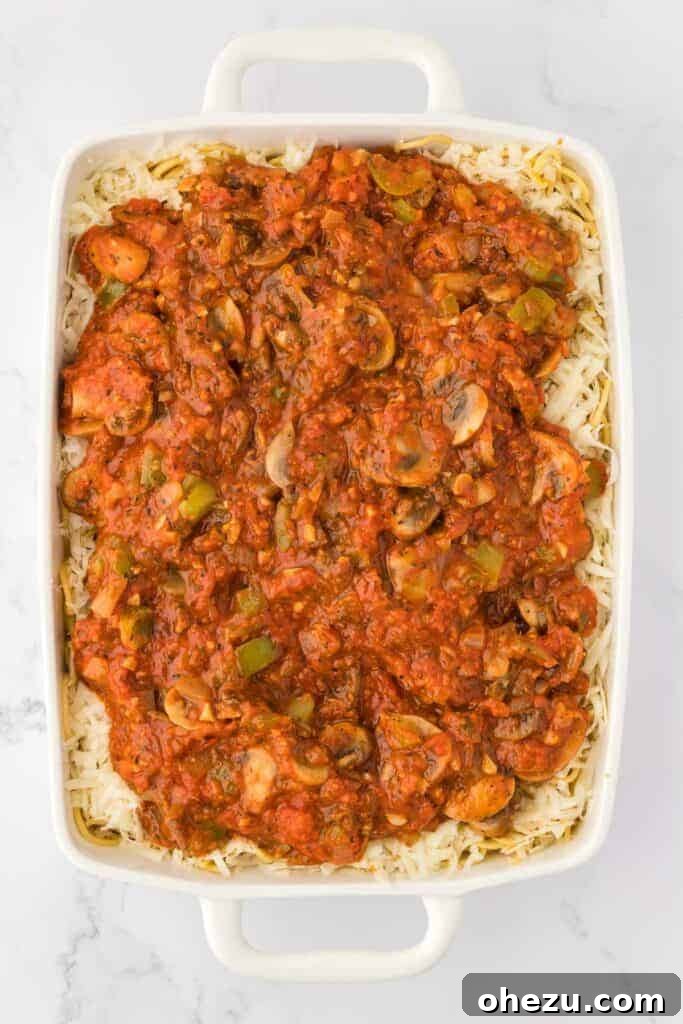
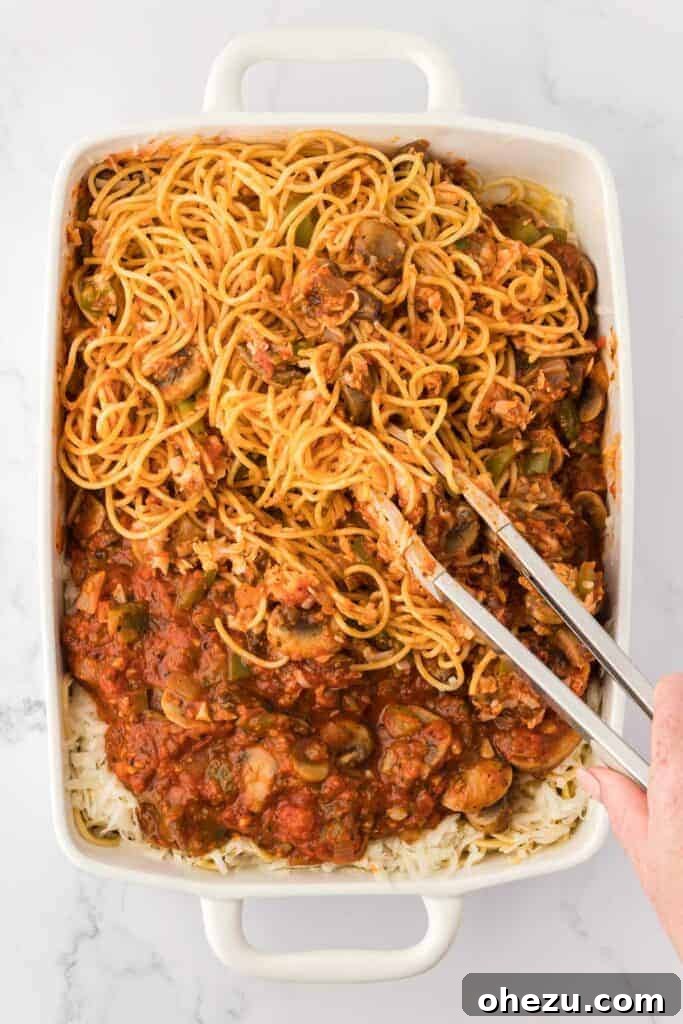
Step 6: The Final Cheesy Layer. Once the spaghetti and sauce are well combined, sprinkle the remaining 1 ½ cups of shredded mozzarella cheese evenly over the entire top of the spaghetti bake. This final layer of cheese will melt into a golden, bubbly crust, creating that irresistible visual and textural appeal.
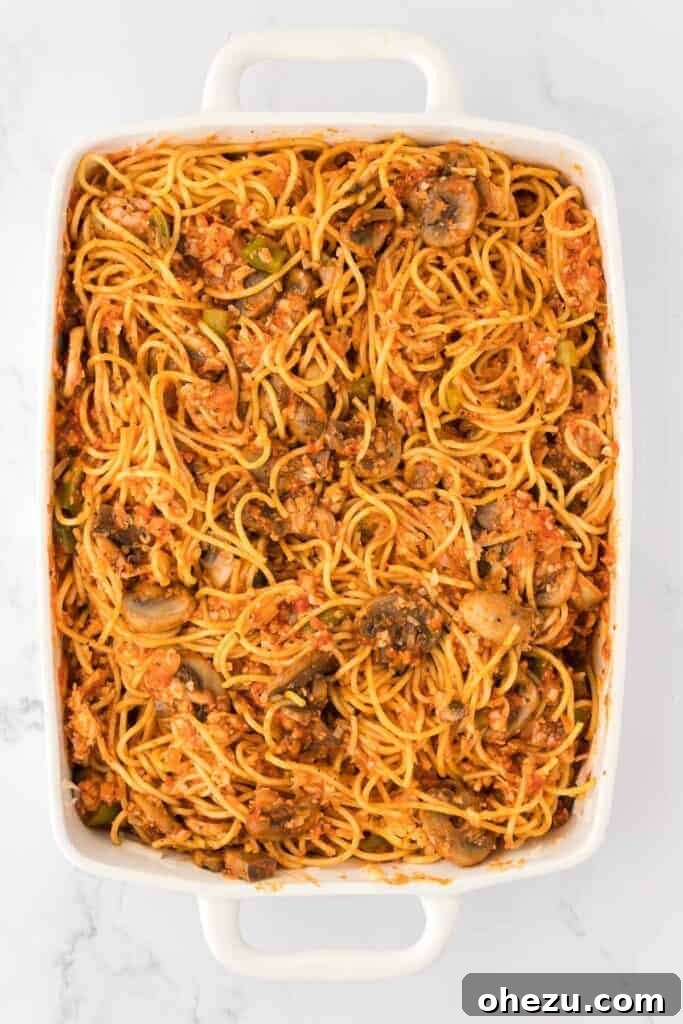
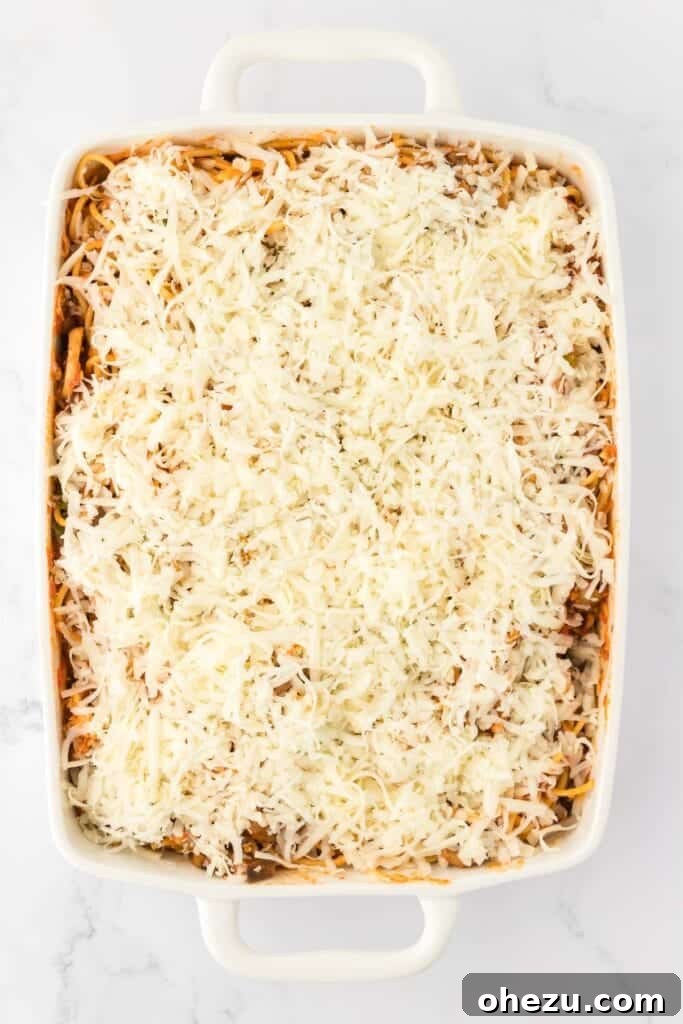
Step 7: Bake to Golden Perfection. Place the casserole dish in a preheated oven at 375 degrees Fahrenheit (190 degrees Celsius). Bake for 15-20 minutes, or until the cheese is beautifully melted, bubbly, and begins to turn golden brown around the edges of the dish. This indicates that the flavors have fully developed and the dish is perfectly heated through. Allow it to cool for a few minutes before serving to prevent burns and let the cheese set slightly.
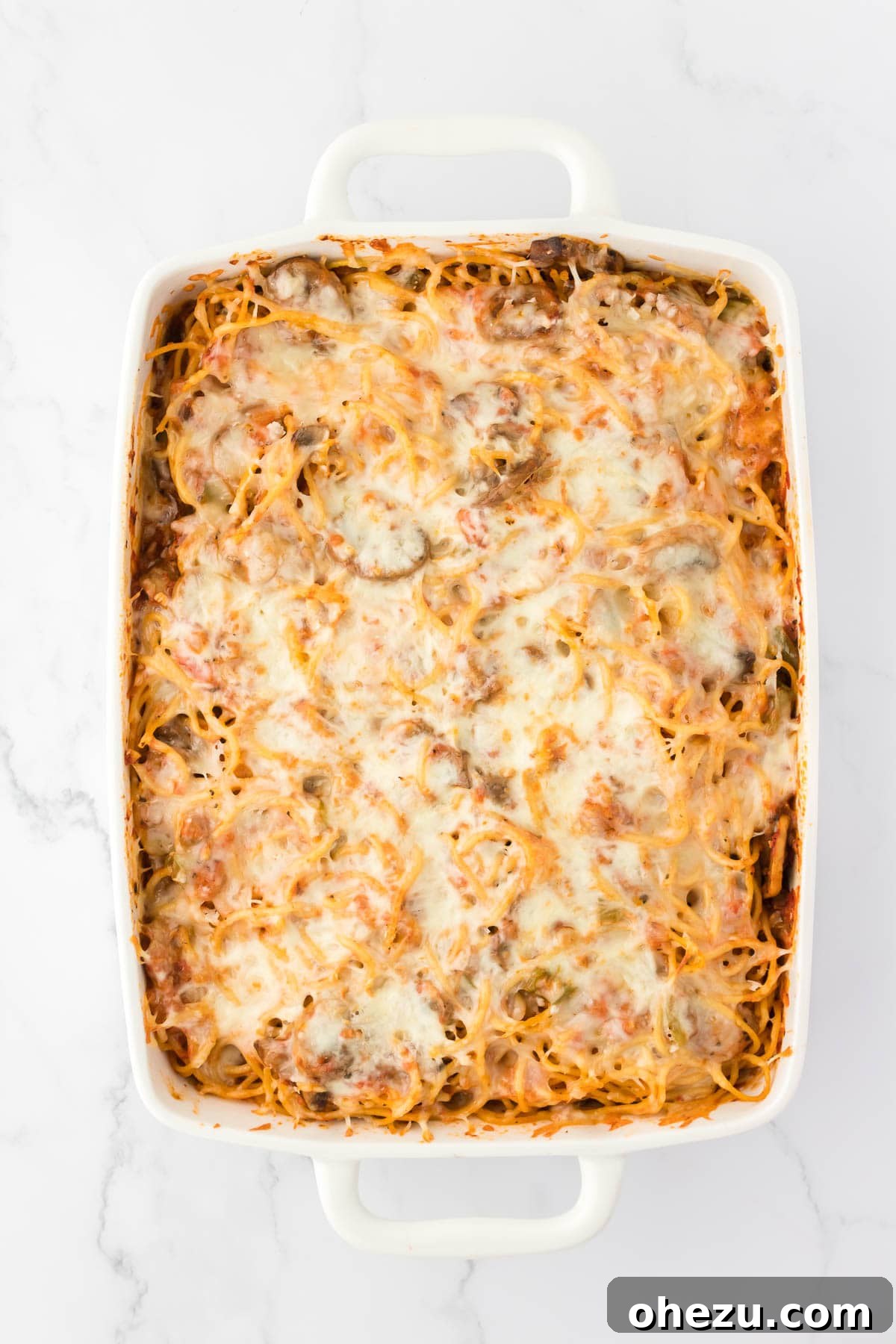
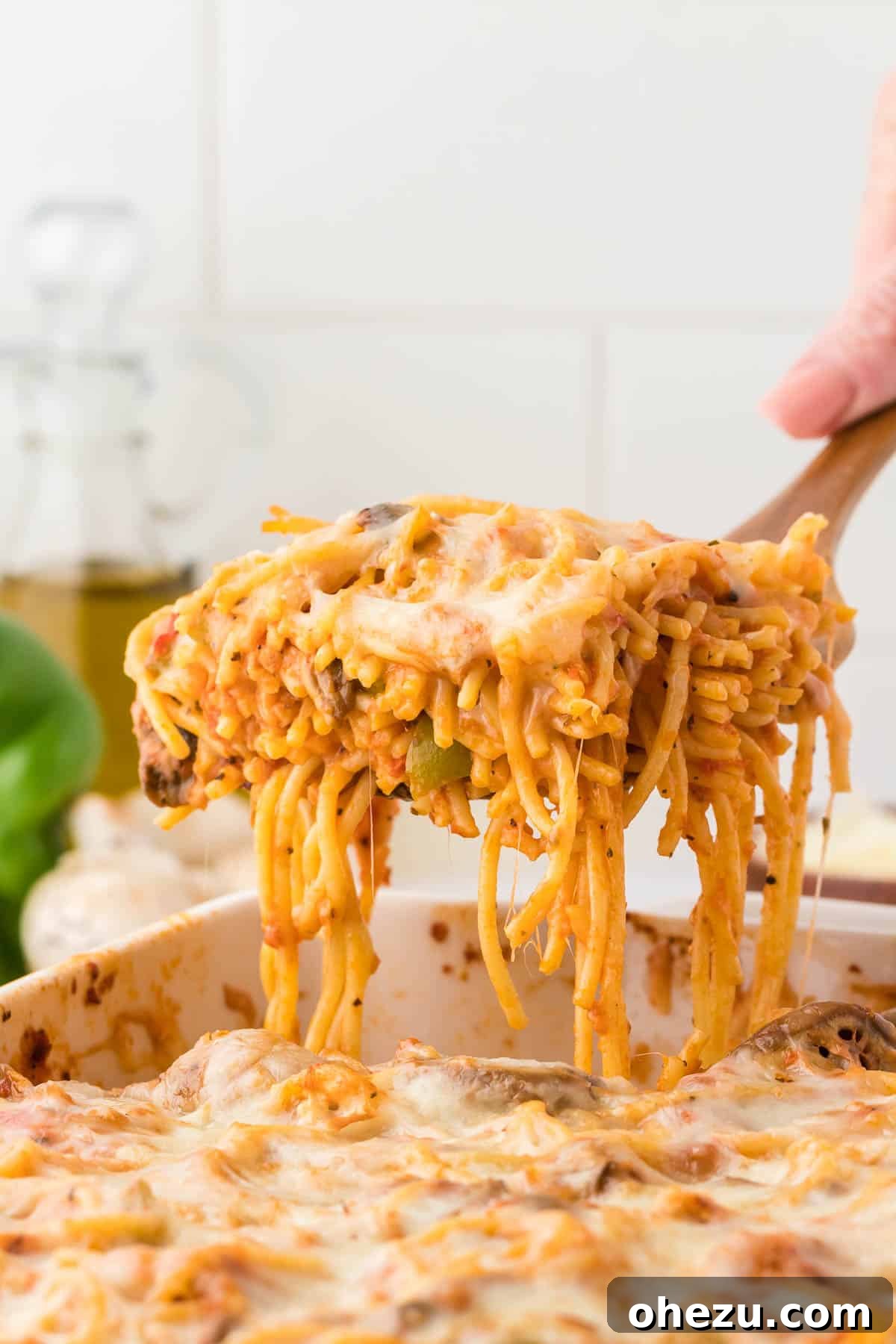
This spaghetti is hearty and filling, with delightful bites of warm, melty cheese in every forkful. Whether you typically enjoy vegetarian meals or are simply looking for a new, satisfying dinner option, we guarantee you’re going to love this delicious and easy baked pasta. It’s a meal that brings warmth and joy to the table!
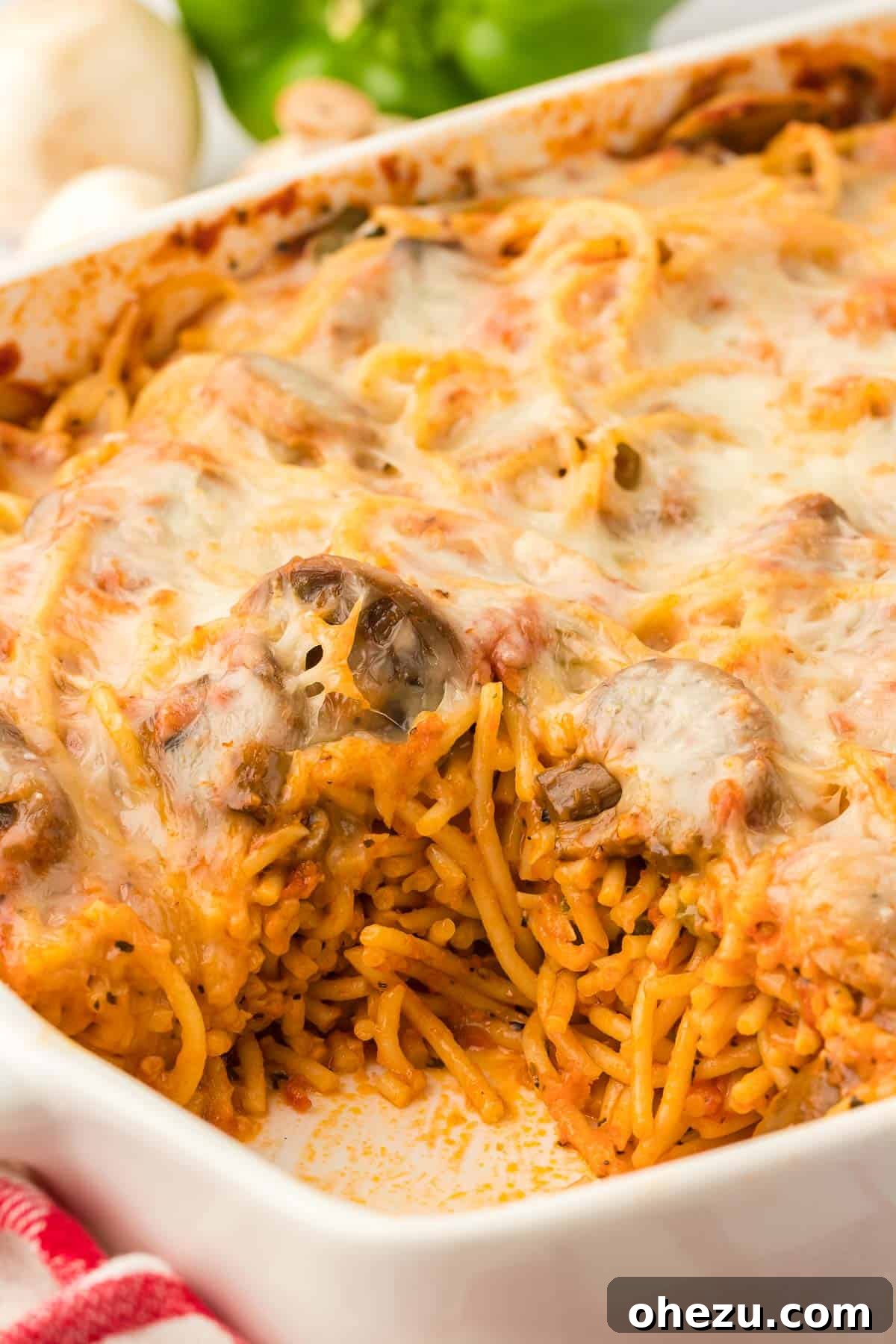
Serving Suggestions: Perfect Pairings for Your Baked Spaghetti
This magnificent vegetarian baked spaghetti is a complete meal on its own, but it truly shines when paired with a few complementary side dishes. To create a well-rounded and delightful dining experience, we recommend serving it alongside a crisp, fresh side salad tossed with a light vinaigrette. The bright, tangy notes of the salad provide a wonderful contrast to the rich and savory pasta. And, of course, no spaghetti dinner is complete without a warm, crusty loaf of garlic bread for soaking up every last bit of that delicious sauce. For those who enjoy a little extra kick, a sprinkle of red pepper flakes on top of your serving adds a delightful spice! Consider garnishing with fresh parsley or basil for a pop of color and herbaceous freshness.
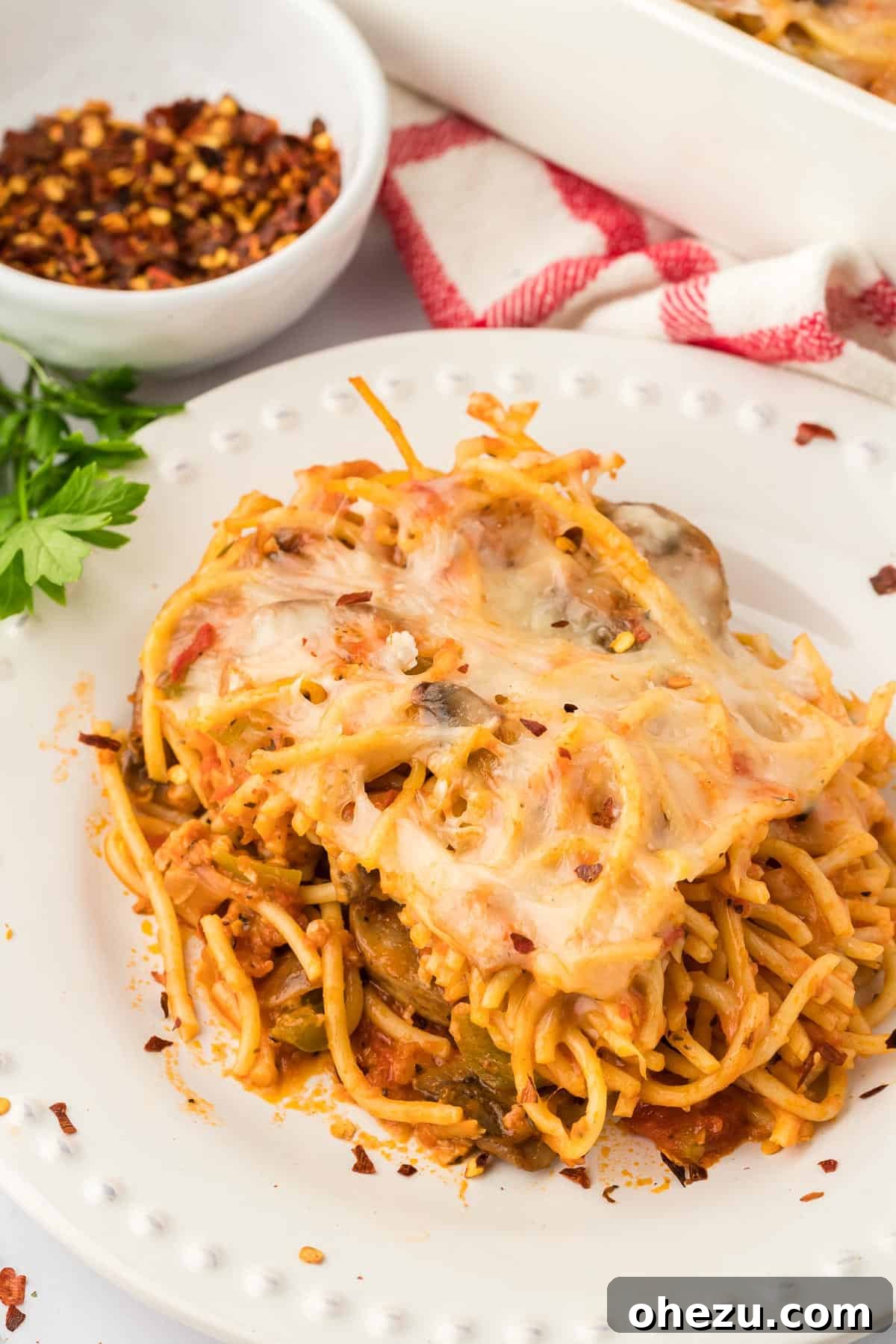
Storing & Reheating: Enjoying Your Veggie Spaghetti Later
One of the best things about this vegetarian baked spaghetti is how well it keeps, making it perfect for meal prep or enjoying convenient leftovers. Its flavors often deepen overnight, making it even more delicious the next day.
- Storing: To keep your leftover veggie spaghetti fresh, transfer any remaining portions to an airtight container. It can be safely stored in the refrigerator for 3-4 days. For longer storage, you can also freeze individual portions in freezer-safe containers for up to 2-3 months. Just be sure to thaw it in the refrigerator overnight before reheating.
- Reheating: For best results, especially when reheating larger portions or a full casserole, place the spaghetti back into an oven-safe dish. Cover it loosely with foil to prevent it from drying out and bake at 350 degrees Fahrenheit (175 degrees Celsius) for about 20-30 minutes, or until it’s heated through and bubbly. If reheating individual servings, the microwave is a convenient option. Place a portion on a microwave-safe plate, cover it loosely, and heat in 1-2 minute intervals, stirring occasionally, until hot. A splash of extra pasta sauce or a tablespoon of water can help maintain moisture if it seems a little dry.
Frequently Asked Questions About Vegetarian Baked Spaghetti
The primary difference between baked spaghetti and regular spaghetti lies in the final cooking method and assembly. Regular spaghetti is typically cooked and then served immediately with sauce on top. Baked spaghetti, however, involves combining cooked pasta with sauce and cheese, layering it, and then baking the entire dish in the oven. This baking process allows the flavors to meld, the cheese to melt and create a bubbly, golden crust, and the dish to become a more cohesive casserole-like meal with distinct textures.
To ensure your baked spaghetti remains moist and delicious, several key steps can be taken:
Don’t overcook the noodles: Always cook your spaghetti noodles to an al dente consistency and drain them immediately. Overcooked noodles absorb too much moisture and can become mushy and dry out faster during baking.
Add enough sauce: Ensure you use a generous amount of pasta sauce to thoroughly coat all the noodles. If you’re incorporating additional vegetables or other ingredients that absorb liquid, you might need to add a bit more sauce than usual to maintain moisture. A good rule of thumb is that the pasta should look quite saucy before it goes into the oven.
Cover during baking: For the first part of baking, consider covering your casserole dish with foil. This traps steam and helps keep the pasta moist. You can remove the foil for the last 10-15 minutes to allow the cheese to brown and bubble.
Absolutely! To adapt this recipe for a vegan diet, you would need to replace the dairy cheeses with plant-based alternatives. There are many excellent vegan mozzarella and Parmesan shreds available that melt beautifully. Ensure your pasta sauce is also vegan-friendly (most jarred marinara sauces are, but always check the label for hidden dairy). The rest of the ingredients are already plant-based!
While traditional spaghetti noodles are classic for this dish, you can certainly experiment with other long pasta shapes like linguine or bucatini. Thicker pasta can hold up well to baking. Some even prefer short pasta shapes like ziti or rigatoni, which are excellent for absorbing sauce and cheese in baked dishes. The key is to cook it al dente regardless of the shape.
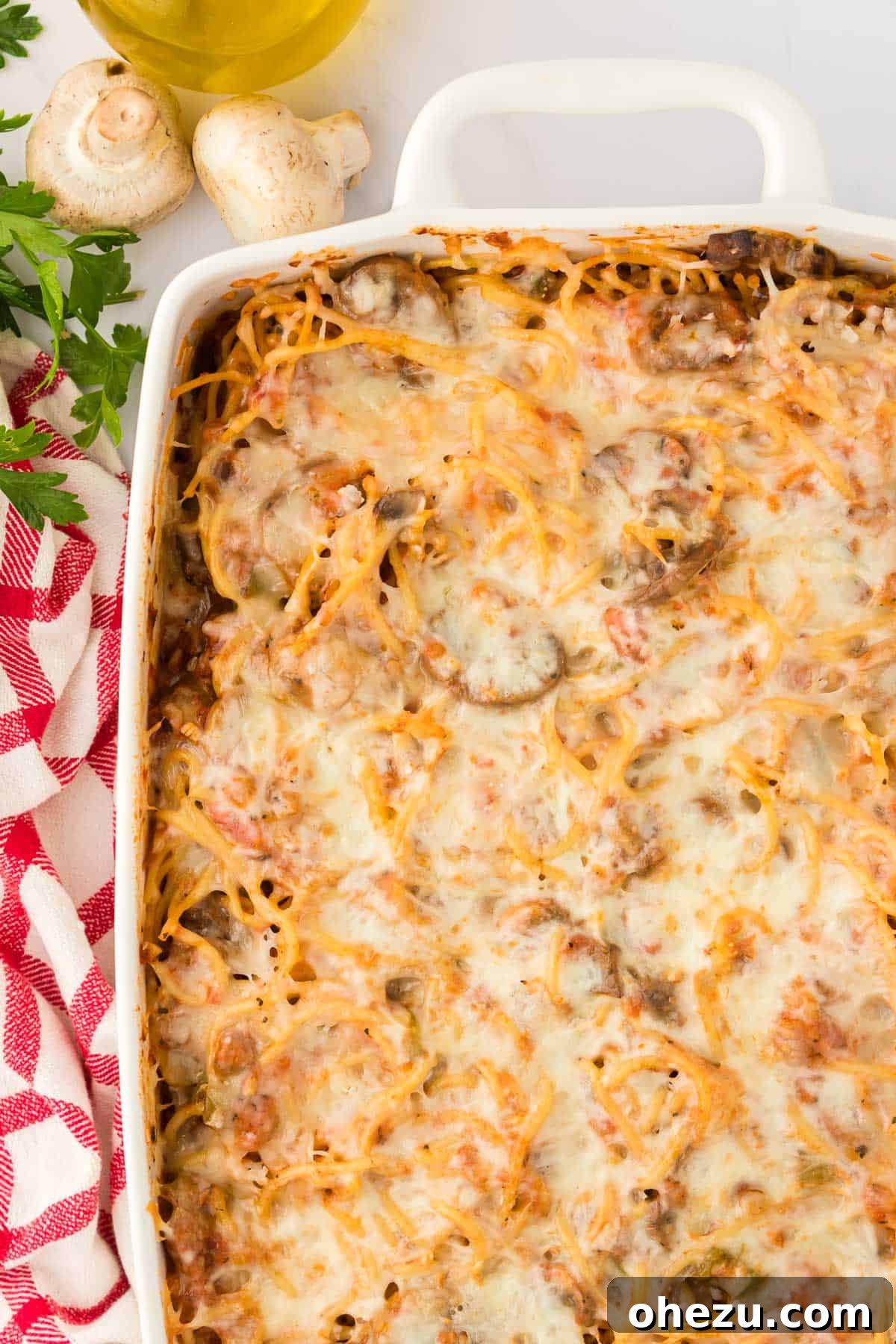
This veggie spaghetti bake is a guaranteed family pleaser, perfect for a hearty weeknight dinner or a comforting weekend meal. Its simplicity, combined with its rich flavors, makes it an indispensable addition to your recipe repertoire.
Explore More Delicious Pasta Recipes
If you loved this vegetarian baked spaghetti, you’re sure to enjoy our other fantastic pasta creations. Here are more recipes to inspire your next meal:
- Easy Crock Pot Baked Ziti
- Bow Tie Pasta Recipe
- Roasted Vegetable Pasta
- Meatless Million Dollar Baked Ziti
- Three Cheese Baked Ziti
- Easy Meatless Spaghetti Sauce
- Vegan Creamy Tomato Shells
- Vegetable Bolognese Recipe
- Three Cheese Lasagna
Did you make this recipe? We’d love to hear your thoughts!

Veggie Spaghetti Bake
Joy Shull
10 minutes
30 minutes
40 minutes
6
Comment on Recipe
Print Recipe
Ingredients
- 1 small yellow onion, diced
- 8 large garlic cloves, minced
- 16 oz white mushrooms, sliced
- 1 green bell pepper, diced
- 2 tablespoons olive oil
- 1/2 teaspoon salt
- 1/2 teaspoon pepper
- 2 teaspoons dried basil
- 1 teaspoon dried oregano
- 25 oz pasta sauce (jarred)
- 1 1/4 cups grated Parmesan cheese
- 2 cups shredded mozzarella cheese
- 16 oz spaghetti
Instructions
- Cook the spaghetti according to package directions to al dente, then drain and set aside.
- In a large skillet, combine the onion, garlic, mushrooms, green pepper, olive oil, salt, pepper, basil, and oregano.
- Sauté over medium-high heat, stirring frequently for 15-20 minutes, or until the mushrooms cook down and their liquid has evaporated.
- Add the pasta sauce to the veggie mixture and stir to combine.
- Grease a 9×13 inch baking dish with cooking spray.
- Spread the cooked spaghetti evenly across the bottom of the baking dish.
- Top the spaghetti noodles with 1/2 cup mozzarella cheese and 1 1/4 cups of Parmesan cheese.
- Pour the veggie pasta sauce over the top of the spaghetti and mix it thoroughly with tongs until well combined.
- Top the spaghetti with the remaining 1 1/2 cups of mozzarella cheese, sprinkled evenly over the top.
- Bake the spaghetti at 375 degrees Fahrenheit (190°C) for 15-20 minutes, or until the cheese is bubbly and starting to brown on the edges of the dish.
Notes
Nutrition
Calories:
586kcal
,
Carbohydrates:
73g
,
Protein:
29g
,
Fat:
21g
,
Saturated Fat:
9g
,
Polyunsaturated Fat:
2g
,
Monounsaturated Fat:
7g
,
Cholesterol:
48mg
,
Sodium:
1363mg
,
Potassium:
919mg
,
Fiber:
6g
,
Sugar:
9g
,
Vitamin A:
1027IU
,
Vitamin C:
28mg
,
Calcium:
435mg
,
Iron:
3mg